
Categories
Bihar Elections

The Role of Social Media in Bihar’s 2025 Elections

Social Media Management in Elections

As the 2025 Bihar Assembly Elections approach, the air is thick with anticipation—not just in the crowded bazaars of Patna or the villages of Gaya, but in the buzzing, chaotic world of social media. Platforms like WhatsApp, Instagram, YouTube, and others have transformed Bihar’s political landscape, turning smartphones into battlegrounds where voter sentiment is shaped, controversies explode, and leaders connect with a restless, youthful electorate.

With over 60% of Bihar’s 120 million people under 30, social media is no longer a sideshow—it’s the main stage. From viral campaigns that ignite hope to misinformation that sows confusion, these platforms are redefining how Bihar’s 243 constituencies will choose their leaders. Let’s dive into the electrifying role of social media in the 2025 elections, exploring how it shapes voter sentiment, amplifies controversies, empowers leaders to reach the youth, and navigates the tricky waters of viral campaigns and misinformation in Bihar’s vibrant electoral discourse.

Social Media’s Rise in Bihar: A New Political Frontier

Bihar’s political history is steeped in caste alliances, fiery rallies, and grassroots campaigns. But in 2025, social media has added a new layer to this mix. With over 50 million smartphone users in the state and internet penetration growing to around 40% (as of 2024), platforms like WhatsApp, Instagram, and YouTube are now as critical as village chaupals.

Social media offers unfiltered, real-time access to voters, bypassing traditional media’s gatekeepers and enabling parties to craft narratives that hit home instantly.
In a state where caste, economic challenges, and youth aspirations drive politics, social media amplifies these dynamics. It’s where a farmer in Purnia shares his struggles, a student in Patna debates job policies, and a leader’s misstep becomes a statewide scandal in hours.

Political parties—be it the National Democratic Alliance (NDA), Mahagathbandhan, or newcomers like Jan Suraaj—are investing heavily in digital strategies, hiring influencers, content creators, and data analysts to sway voters. But this digital frontier is a double-edged sword, offering both unprecedented opportunities and risks that can make or break campaigns.

Shaping Voter Sentiment: The Pulse of Bihar’s People

Social media is Bihar’s new pulse-taker, capturing the hopes, frustrations, and dreams of its people. Platforms allow parties to gauge real-time sentiment on issues like unemployment, migration, and caste-based reservations, which dominate the state’s discourse. For instance, posts about job creation or infrastructure delays often trend, forcing leaders to respond quickly. A viral video of a pothole-ridden road in Muzaffarpur can spark thousands of comments, amplifying public frustration and pushing parties to address local grievances.

The youth, in particular, are driving this shift. With 60% of Bihar’s population under 30, social media is their megaphone. Platforms like Instagram and YouTube host debates on issues like the demand for a caste census or the state’s lag in IT development. Leaders who tap into these conversations—through live sessions, Reels, or WhatsApp groups—can sway young voters who feel ignored by traditional politics. Social media’s immediacy also makes it a barometer of public mood, helping parties adjust campaigns on the fly, whether it’s highlighting Nitish Kumar’s governance or Tejashwi Yadav’s job promises.

However, this power to shape sentiment cuts both ways. Social media often amplifies polarized views, with caste-based rhetoric and regional divides dominating discussions. Hashtags like #BiharNeedsChange or #NitishFailed can polarize voters, creating echo chambers that deepen mistrust between communities. In a state as diverse as Bihar, this can fuel tensions, making social media a volatile force in shaping voter sentiment.

Amplifying Controversies: From Local Whispers to Statewide Storms

Social media’s ability to turn small incidents into major controversies is a defining feature of Bihar’s 2025 elections. A prime example is the Rahul Gandhi luxury toilet controversy during his June 2025 visit to Dashrath Manjhi’s family in Gaya. Allegations spread that a high-end toilet was built near the Manjhi family’s mud hut for Gandhi’s convenience, sparking outrage. Within hours, posts and WhatsApp forwards branded Gandhi a “hypocrite,” accusing him of preaching pro-poor values while indulging in elite comforts. Memes juxtaposing the Manjhi family’s poverty with Gandhi’s alleged privilege went viral, with hashtags trending across platforms.

This incident shows how social media can amplify a local event into a statewide narrative. The controversy overshadowed Gandhi’s broader agenda—his push for a caste census and outreach to Dalits and EBCs—damaging Congress’s image among voters who revere Manjhi’s legacy. While Congress supporters countered that the claims were unverified and part of an NDA smear campaign, their posts struggled to match the viral outrage. The episode highlights social media’s power to shape perceptions, often before facts are fully established.

Other controversies, like allegations of Nitish Kumar’s governance failures or Tejashwi Yadav’s ties to past “Jungle Raj,” also gain traction online. These narratives, fueled by memes and short videos, can sway undecided voters, especially in rural areas where social media is often the primary news source. The challenge for parties is managing these firestorms, as a single viral post can undo weeks of campaign work.

Connecting with the Youth: Leaders on the Digital Stage

Bihar’s youth are the heart of the 2025 elections, and social media is their playground. Leaders who master these platforms can build powerful connections with this demographic. The NDA, Mahagathbandhan, and smaller players like Jan Suraaj are all vying for the youth vote, using tailored content to stand out.

The NDA leverages YouTube and Instagram to highlight infrastructure projects like expressways and smart cities, with polished videos showcasing Nitish Kumar’s governance. These posts, often shared by party supporters, aim to appeal to urban youth seeking development. The Mahagathbandhan, led by Tejashwi Yadav, uses Instagram Reels and WhatsApp to push promises like 85% reservation and job creation. Tejashwi’s Reels, often in Bhojpuri, connect with rural youth, blending policy talk with cultural pride.

Prashant Kishor’s Jan Suraaj Party, a new entrant, uses YouTube live sessions to discuss governance reforms, appealing to urban, educated youth. Similarly, the Aam Aadmi Party (AAP) shares videos of Arvind Kejriwal’s Delhi model, pitching it as a blueprint for Bihar. These efforts show how social media levels the playing field, allowing smaller parties to compete with established giants.

Social media also fosters direct engagement. Leaders host live Q&A sessions, reply to comments, and share behind-the-scenes glimpses of their campaigns, making them more relatable. This accessibility is key in a state where youth feel disconnected from traditional leaders. However, it’s a high-stakes game—missteps, like an insensitive post or a poorly timed comment, can go viral, alienating young voters.

🗳️ “Elections aren’t just won on the ground—they’re won in the scroll!”
If you’re serious about making digital waves in Bihar’s 2025 elections—don’t just post, influence.
📞 Call now to connect with our election strategy experts and lead the digital narrative!

The Power of Viral Campaigns: Hype and Hope

Viral campaigns are the new currency of Bihar’s elections, turning ideas into movements overnight. Parties are investing in influencers, memes, and short-form content to capture attention. The NDA’s campaigns, with hashtags promoting Nitish Kumar’s achievements, use drone-shot videos and infographics to project progress. The Mahagathbandhan counters with posts highlighting unfulfilled promises, using emotional appeals to connect with voters frustrated by unemployment and migration.

Smaller parties excel here too. Jan Suraaj’s policy-focused videos, often shared via WhatsApp, have sparked debates among urban voters, while AAP’s campaign videos draw parallels between Delhi’s schools and Bihar’s needs. These campaigns thrive on relatability, using local languages and cultural references to resonate with Bihar’s diverse audiences.

But viral campaigns can backfire. A campaign that feels inauthentic—like overly polished ads ignoring rural realities—can alienate voters. The Rahul Gandhi toilet controversy, for instance, was amplified by viral memes that damaged Congress’s credibility. Parties must balance creativity with authenticity to ensure campaigns inspire rather than inflame.

The Misinformation Threat: A Dark Side of Digital Politics

Misinformation is a major challenge in Bihar’s 2025 elections, where low literacy rates (around 61%) make voters vulnerable to false narratives. Social media’s open nature allows rumors to spread like wildfire. The Rahul Gandhi toilet row, for example, gained traction despite lacking mainstream verification, with doctored images and exaggerated claims fueling anger. Similarly, false posts about Nitish Kumar’s governance or Tejashwi Yadav’s policies have circulated, often tailored to exploit caste and regional divides.

A 2024 study found that 30% of election-related content on Indian social media contains misleading information, a problem acute in Bihar where WhatsApp groups are key news sources. Posts claiming fake promises—like free gadgets from candidates—can sway rural voters before being debunked. Parties are also accused of orchestrating misinformation, with the NDA and Mahagathbandhan allegedly using digital operatives to spread rival-bashing narratives.

The Election Commission is cracking down, collaborating with platforms to flag harmful content and issuing guidelines for digital campaigns. But policing social media’s vast ecosystem is tough. Fact-checking initiatives exist, but their reach is limited compared to viral falsehoods. This misinformation minefield threatens Bihar’s electoral integrity, as unverified narratives can shape voter perceptions before facts emerge.

Reshaping Electoral Discourse: Opportunities and Challenges

Social media is redefining Bihar’s electoral discourse, making it more dynamic but also more divisive. Platforms enable real-time debates on critical issues, forcing parties to address voter concerns quickly. They also democratize politics, giving smaller players a voice against giants like the NDA and Mahagathbandhan. But the risk of polarization is high, with caste-based slurs and inflammatory rhetoric often dominating online spaces, threatening Bihar’s social harmony.

Parties must navigate these challenges strategically. Effective digital teams, rapid crisis response, and authentic content are essential to harness social media’s potential while mitigating risks. The Election Commission’s role is critical, but stronger partnerships with platforms and fact-checkers are needed to curb misinformation.

Conclusion: Bihar’s Digital Destiny

The 2025 Bihar Assembly Elections are a landmark moment for social media’s role in Indian politics. Platforms like WhatsApp, Instagram, and YouTube are shaping voter sentiment, amplifying controversies, and connecting leaders with Bihar’s youth. Viral campaigns ignite hope, but misinformation casts a shadow, threatening the fairness of the electoral process.

As Bihar heads to the polls, social media will be a decisive force, from trending hashtags to viral videos. The challenge for parties is to wield this power responsibly, balancing creativity with credibility. In a state brimming with potential and complexity, social media isn’t just shaping elections—it’s shaping Bihar’s future.
Categories
Bihar Elections Election Campaigns Management

Political Campaigning in Bihar? Here’s What Your Competitors Are Doing

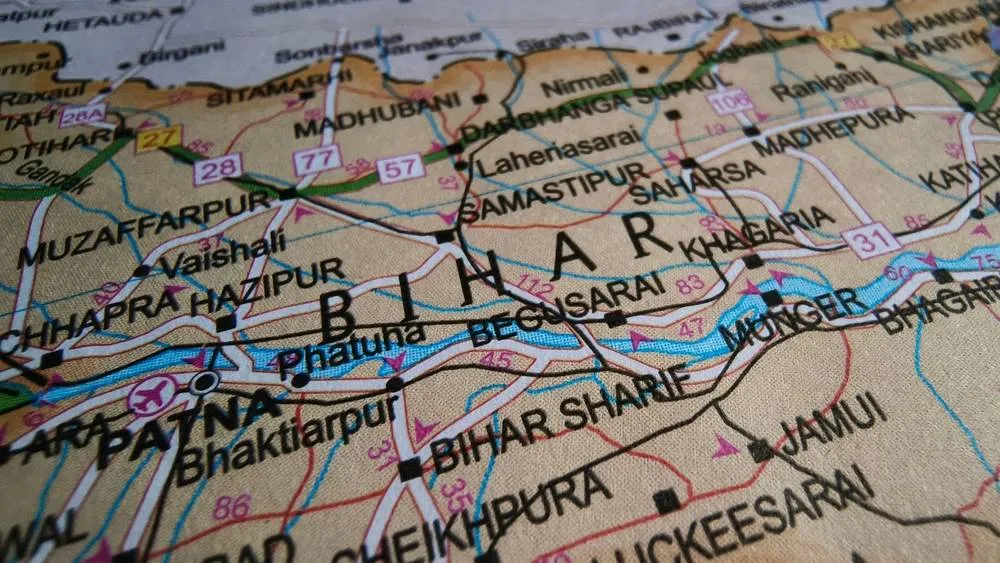
Bihar Map , Bihar Elections

The political landscape in Bihar is heating up as candidates prepare for upcoming elections. With its complex demographics and evolving voter preferences, Bihar presents unique challenges and opportunities for political campaigns. While traditional campaign methods remain important, innovative strategies are making a significant difference in reaching voters effectively. This article explores the current political scenario in Bihar and examines what successful campaigns are doing differently. If you’re planning to enter the political arena in Bihar, understanding your competitors’ strategies is essential for gaining an edge.

The Current Political Landscape in Bihar

Bihar, one of India’s most politically significant states, has seen dramatic shifts in party alliances and voter preferences in recent years. The political environment is currently dominated by two major alliances: the National Democratic Alliance (NDA) led by the Bharatiya Janata Party (BJP) and Janata Dal (United) [JD(U)], and the opposition Mahagathbandhan (Grand Alliance) consisting of Rashtriya Janata Dal (RJD), Congress, and other parties.

Chief Minister Nitish Kumar, who returned to the NDA fold in January 2024, leads the government in partnership with the BJP. This realignment has once again reshaped the state’s political dynamics. The RJD, led by Tejashwi Yadav, continues to be a formidable opposition force with strong support among certain demographic groups.

The political landscape is further complicated by smaller but influential parties like Lok Janshakti Party (Ram Vilas), led by Chirag Paswan, and Hindustani Awam Morcha of Jitan Ram Manjhi, which play crucial roles in Bihar’s coalition politics.

What Your Competitors Are Doing: Innovative Campaign Strategies

Political Survey Bihar

Comprehensive Door-to-Door Surveys in Bihar

The most successful political campaigns in Bihar are revolutionizing their approach to door-to-door engagement. No longer just about distributing pamphlets, these campaigns use sophisticated Door-to-Door Surveys in Bihar techniques to gather valuable voter data.

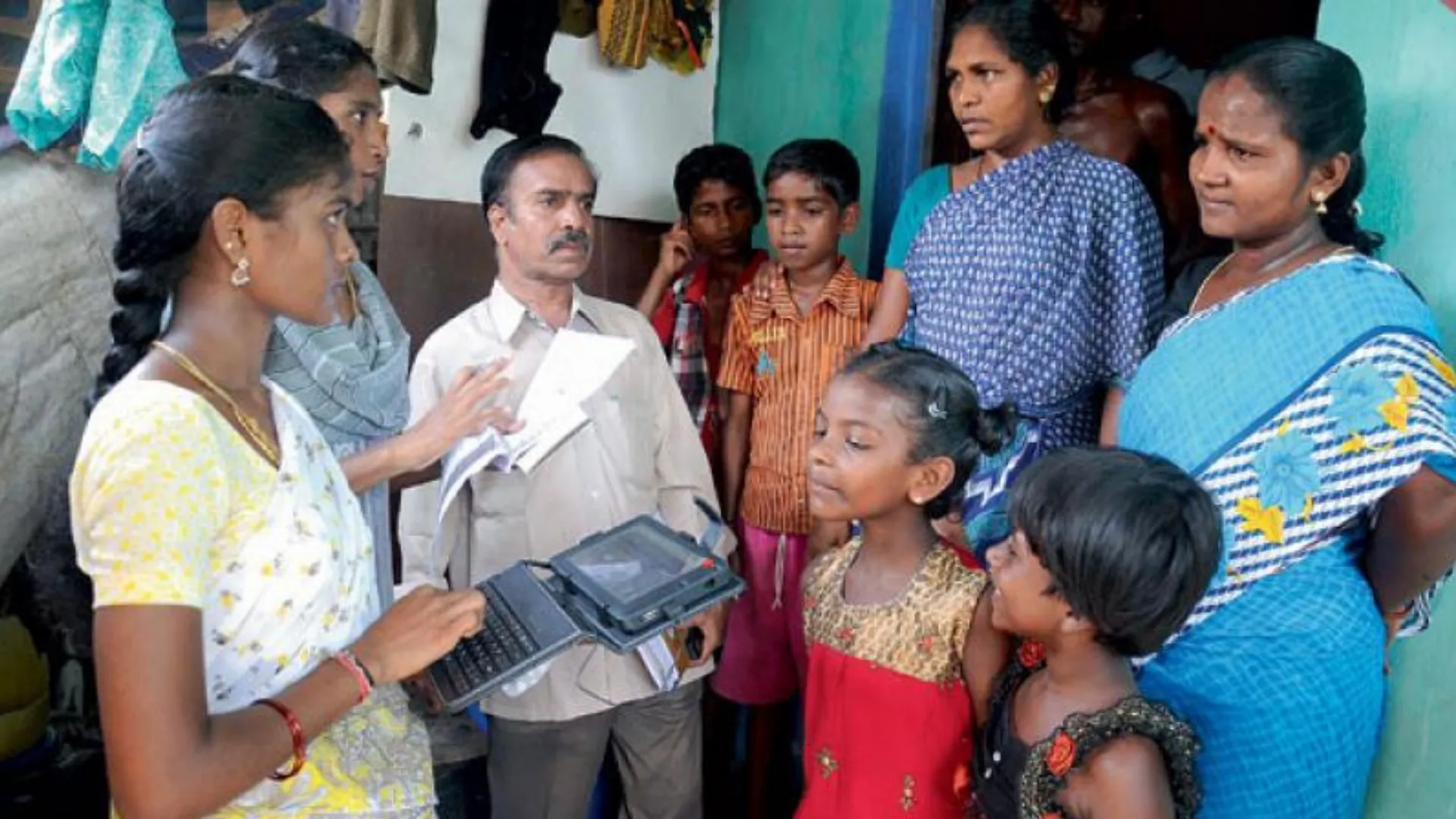
Campaign teams are equipped with tablets and specialized apps to record voter concerns, demographics, and political leanings. This digital approach allows for real-time data analysis and helps campaigns tailor their messages to specific neighborhoods or demographic groups.

For example, the BJP’s “Ghar Ghar BJP” campaign incorporated detailed survey mechanisms to understand voter concerns at the household level. Similarly, RJD’s grassroots outreach program used structured surveys to identify local issues that needed addressing in their campaign promises.

These door-to-door initiatives help campaigns build personal connections with voters while gathering crucial data for strategic decision-making.

Data-Driven Opinion Poll Surveys

Leading campaigns are now employing scientific Opinion Poll Survey in Bihar methods that go beyond simple voting intention questions. These sophisticated polls analyze voter attitudes on specific issues, measure candidate recognition, and identify swing voter segments.

Modern opinion polls in Bihar now incorporate:

  • Demographic-specific sampling to ensure representation across caste, religion, and economic status
  • Issue-based questioning to understand voter priorities beyond party loyalties
  • Sentiment analysis to gauge emotional responses to candidates and policies
  • Geographical targeting to identify regional differences in voter concerns

Political consulting firms working with major parties are conducting multi-wave tracking polls throughout the campaign period, allowing campaigns to adjust their messaging based on changing voter sentiments.

Innovative Social Media Management

Social Media Management in Bihar Election campaigns has evolved dramatically. Your competitors are no longer simply posting content- they’re building comprehensive digital ecosystems that engage voters across multiple platforms.

Successful campaigns in Bihar are employing strategies such as:

  • Content calendars synchronized with ground events and policy announcements
  • Platform-specific content tailored to different demographics (TikTok/Instagram for younger voters, Facebook/WhatsApp for older demographics)
  • Local language content that resonates with regional dialects and cultural nuances
  • Rapid response teams that address negative news or misinformation within hours
  • Micro-targeted advertising based on voter interests, locations, and online behaviors

The BJP’s social media campaign during recent elections demonstrated sophisticated targeting capabilities, with different messages crafted for urban and rural audiences. Meanwhile, younger leaders like Tejashwi Yadav have leveraged platforms like Instagram and Twitter to build personal connections with younger voters.

Hyper-Local Campaign Customization

The most effective campaigns recognize that Bihar’s 38 districts have distinct concerns and priorities. Rather than using a one-size-fits-all approach, sophisticated campaigns are customizing their messages and policy priorities for different regions.

For example, campaigns focus on flood management and agriculture in the northern regions bordering Nepal, while emphasizing industrial development and employment in more urbanized areas around Patna. In the Seemanchal region with its significant minority population, campaigns address specific concerns related to education and representation.

This hyper-local approach extends to candidate selection, with parties increasingly choosing candidates who can speak directly to local issues rather than relying solely on party loyalty or caste calculations.

What Makes Professional Political Consulting Services in Bihar Essential

The increasing complexity of Bihar’s political landscape has made professional Political Consulting services in Bihar more valuable than ever. Campaigns relying on traditional approaches without data-driven strategies find themselves at a significant disadvantage.

Professional political consultants bring expertise in:

  • Voter Segmentation and Targeting: Using demographic data and voter behavior analysis to identify key voter segments and develop targeted outreach.
  • Message Development and Testing: Creating campaign messages that resonate with specific voter groups and testing their effectiveness before full deployment.
  • Ground Operations Management: Organizing efficient canvassing, volunteer mobilization, and get-out-the-vote operations.
  • Crisis Communication: Preparing for and managing unexpected campaign challenges or negative publicity.
  • Digital Campaign Integration: Ensuring consistency between digital messaging and ground campaign activities.

Campaigns working with established political consulting firms report more efficient resource allocation and improved ability to respond to changing political circumstances.

The Technology Revolution in Bihar Campaigns

Bihar Election - Technology

Technological innovation is transforming political campaigning in Bihar. Your competitors are increasingly employing:

Mobile-First Voter Outreach

With smartphone penetration growing dramatically in Bihar, campaigns are developing mobile apps that allow voters to:

  • Register for campaign updates
  • Report local issues that need addressing
  • Register as volunteers
  • Access candidate information and policy positions

These apps collect valuable data while providing a direct channel to communicate with supportive voters.

GIS-Enabled Campaign Planning

Geographic Information Systems (GIS) technology allows campaigns to map voter demographics, previous election results, and economic indicators at very granular levels. This enables:

  • Strategic placement of campaign offices
  • Efficient routing for canvassing teams
  • Identification of high-priority precincts for Get-Out-The-Vote efforts
  • Correlation between local issues and voting patterns

The most sophisticated campaigns in Bihar are using these tools to make data-driven decisions about resource allocation.

AI and Predictive Analytics

Artificial intelligence and machine learning are helping campaigns predict voter behavior and identify persuadable voters. These technologies analyze patterns from previous elections, current survey data, and demographic information to:

  • Score voters based on their likelihood to support a candidate
  • Identify which issues are most likely to motivate specific voter segments
  • Predict turnout challenges in specific areas
  • Optimize campaign messaging for different audiences

Building a Winning Campaign Strategy in Bihar

To compete effectively in Bihar’s complex political environment, campaigns need comprehensive strategies that combine traditional outreach with modern techniques. Here’s what a winning approach includes:

Deep Cultural Understanding

Successful campaigns demonstrate genuine understanding and respect for Bihar’s diverse cultural landscape. This includes:

  • Acknowledging the state’s rich historical legacy
  • Respecting the various linguistic traditions across regions
  • Understanding the complex social structures that influence voter identity
  • Recognizing religious sensitivities and traditions

Campaigns that authentically connect with these cultural elements build stronger voter relationships than those relying solely on party symbols or national narratives.

Coalition-Building Expertise

Given Bihar’s fragmented political landscape, the ability to build and maintain effective coalitions is crucial. This requires:

  • Identifying compatible political partners
  • Negotiating seat-sharing arrangements that respect each party’s strengths
  • Creating messaging that appeals across coalition partners’ constituencies
  • Managing potential conflicts between alliance members

The most successful political leaders in Bihar have demonstrated remarkable skill in navigating these complex coalition dynamics.

Rural-Urban Bridge Strategies

While much of Bihar remains rural, urban centers are growing in importance. Effective campaigns develop messaging that resonates in both contexts through:

  • Economic proposals that address both agricultural and urban employment concerns
  • Infrastructure plans that connect rural areas to economic opportunities
  • Education policies that prepare students for both traditional and emerging sectors
  • Healthcare proposals that address the different challenges faced in rural and urban settings

The Final Word

The political landscape in Bihar continues to evolve rapidly. Campaigns that combine deep local knowledge with sophisticated modern techniques will have the greatest chance of success. Professional Political Consulting services in Bihar have become essential for campaigns seeking to navigate this complex environment effectively.

The most successful political campaigns in Bihar recognize that winning requires both art and science- the art of connecting authentically with voters and the science of using data to make strategic decisions. By understanding what your competitors are doing and adapting these insights to your own campaign, you can position yourself effectively in Bihar’s dynamic political arena.

For parties and candidates looking to make an impact in Bihar’s political landscape, partnering with experienced political consultants like Leadtech provides the expertise and tools needed to campaign effectively in this challenging environment. With comprehensive services covering everything from Door-to-Door Survey in Bihar to sophisticated Social Media Management in Bihar Election campaigns, professional consultants help campaigns maximize their impact and connect meaningfully with voters.

Start Today →  📞☎📞