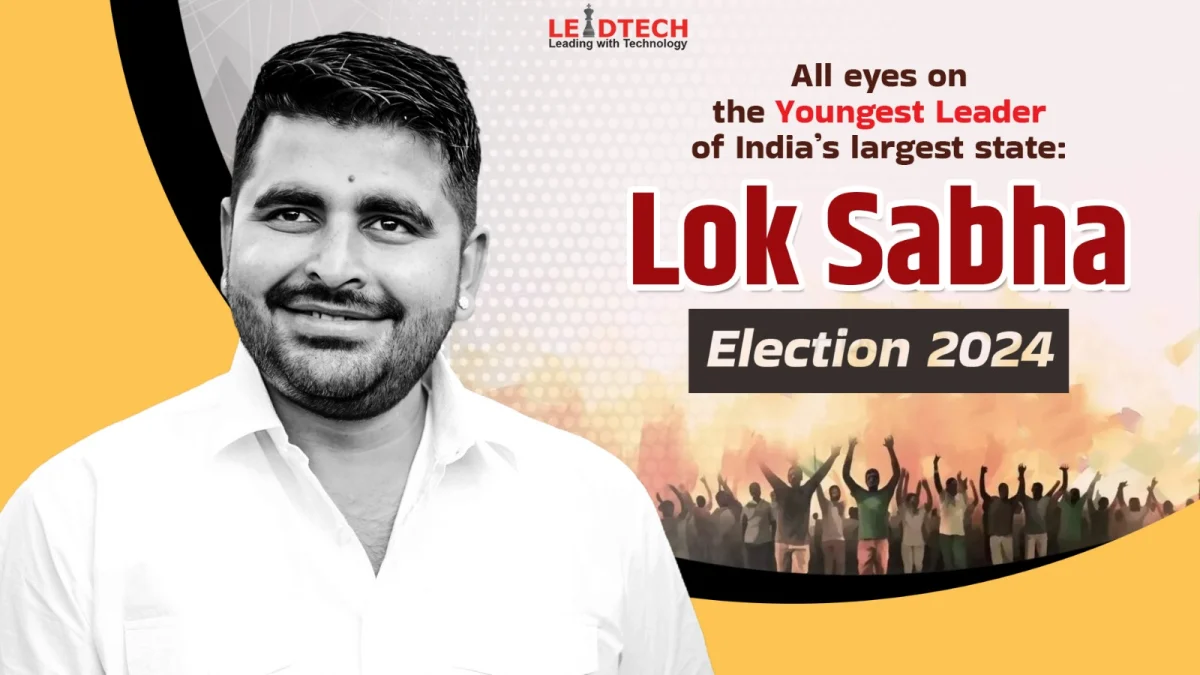
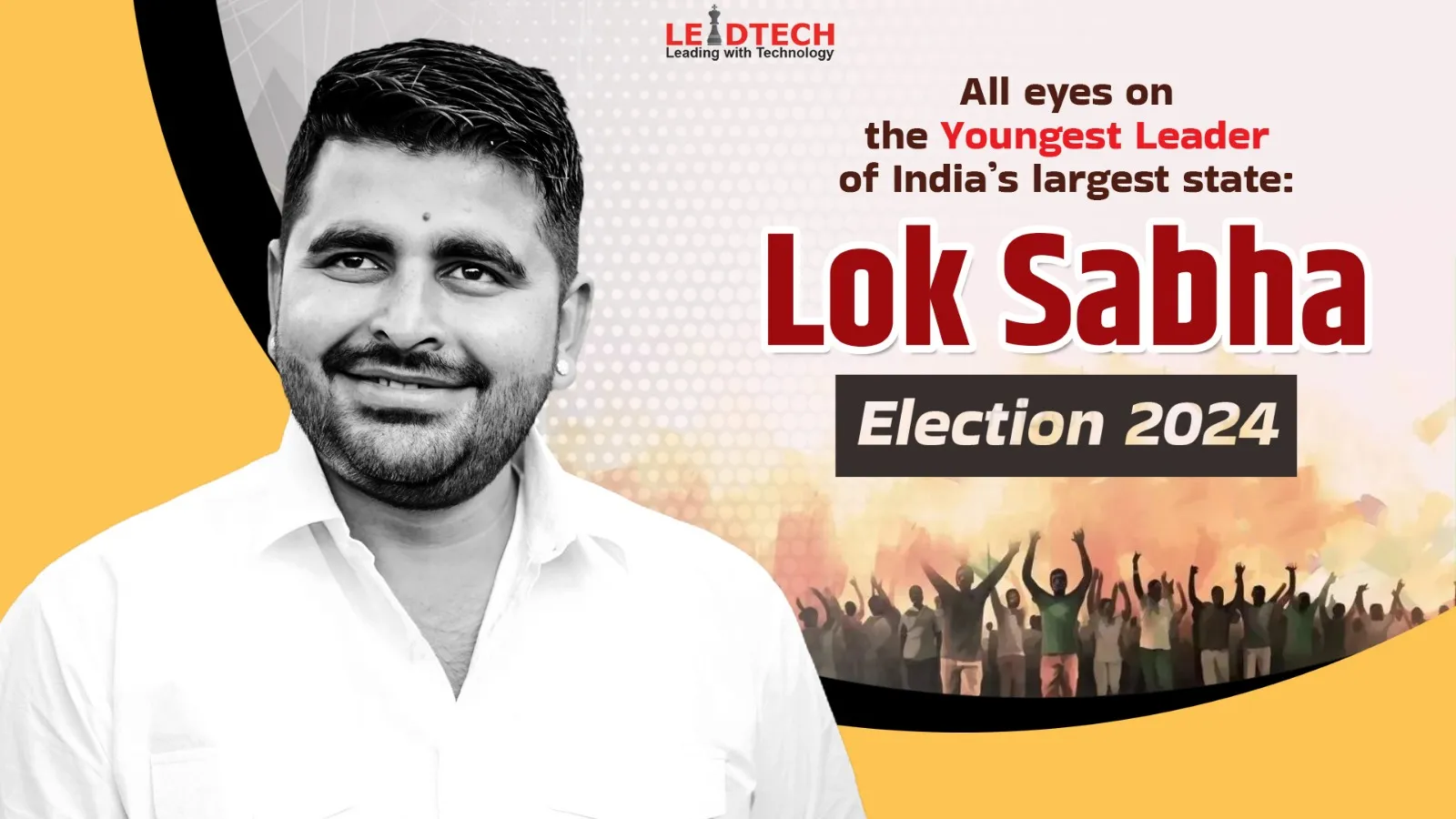
As the second phase of the Indian general election approaches, all eyes are on Barmer Lok Sabha constituency, where the youngest MLA of Rajasthan, 26-year-old Ravindra Singh Bhati, has entered the fray as an independent candidate. Ravindra Singh Bhati’s candidacy, from Barmer PC has garnered significant attention, making the electoral contest in the region even more compelling.
Who is Ravindra Singh Bhati?
Hailing from a non-political background, Ravindra Bhati has emerged as a notable figure in Rajasthan’s political landscape. At just 26 years old, he made history as the youngest MLA in the Rajasthan assembly after winning the 2023 assembly election from the Sheo assembly constituency. Defying the odds and facing formidable opponents like Fateh Khan, Ameen Khan, and Swaroop Singh Khara, Bhati’s victory marked a significant milestone as a first-generation politician.
Bhati’s charismatic presence and ability to draw crowds of thousands with his famous rallying cry, “Laatha rahiya” (stay strong), have earned him comparisons to stalwart politicians like Sachin Pilot and Prime Minister Modi. His knack for connecting with the masses underscores his growing influence and appeal among voters across Rajasthan.
Despite his rapid rise in politics, Bhati remains grounded in his roots. His father, Shaitan Singh Bhati, serves as a school teacher, while his mother, Ashok Kanwar, is a dedicated homemaker. Their humble background reflects Bhati’s commitment to serving his community and advocating for the issues that matter most to the people of Rajasthan.
As Ravindra Singh Bhati continues to chart his political path, his journey exemplifies the power of determination, grassroots support, and the potential for change that resonates deeply with the people he represents.
Student Politics:
Ravindra Singh Bhati’s candidacy in the upcoming election isn’t his first venture into independent politics. During his college years at Jai Narain Vyas University (JNVU), Jodhpur, Bhati was an active member of the ABVP and delved into student politics. His journey began when he sought a ticket for the college presidency from the ABVP. However, when the organization denied him the ticket, Bhati decided to contest independently. His bold move paid off as he clinched victory, becoming the inaugural independent student union president in JNVU’s 57-year history.
Bhati’s fame doubled due to his unwavering advocacy for student rights. He fearlessly led protests and even faced imprisonment for his staunch stance against stakeholders infringing upon students’ rights, whether it was addressing fee issues or navigating the challenges posed by the Covid-19 pandemic. Throughout, Bhati remained actively engaged on the ground, rallying support and building his team across the state.
Now, as he steps onto the broader political stage, Ravindra Singh Bhati’s journey from student activism to a candidate in the Barmer Lok Sabha constituency underscores his commitment to grassroots issues and his ability to mobilize support for change.
2023 Assembly Election:
Sheo AC is dominated by the Rajputs and Muslim communities, while the SC community stands third.
● INC: The electoral landscape was marked by a tense contest between Ameen Khan, the INC MLA, and Fateh Khan, an independent candidate and former district president of the Indian National Congress, both representing the Muslim community’s interests.
Fateh Khan’s decision to contest independently stemmed from the INC’s choice to field Ameen Khan again, leaving many in the Muslim community torn between the two candidates. This split in Muslim votes created uncertainty among voters about whom to support, intensifying the electoral competition in Sheo AC.
As Fateh and Ameen Khan vied for support within the Muslim community, the dynamics of the election highlighted the complexities of local politics and the challenges of navigating competing interests.
● BJP: Ravindra Bhati’s political journey has been marked by his affiliations with organizations like the RSS and ABVP, indicating his ideological leanings towards the BJP. Prior to the 2023 assembly elections in Rajasthan, Bhati publicly acknowledged his alignment with the BJP. Anticipating a ticket from the party, he formally joined the BJP ranks. However, his hopes were dashed when the BJP instead chose Swaroop Singh Khara, then the district president of Barmer, as its candidate for the Sheo assembly constituency.
Feeling betrayed by the party’s decision despite his allegiance, Bhati swiftly resigned from the BJP just a week after joining and decided to contest the election independently. This move sparked rumors among locals and supporters, with some speculating that influential figures like Gajendra Singh Shekawat might have played a role in denying Bhati a ticket to prevent him from potentially overshadowing their leadership in the region.
Despite the hurdles and challenges, Bhati remained undeterred and entered the electoral fray as an independent candidate. In a closely contested battle, he emerged victorious, securing the seat against tough competition from another independent leader, Fateh Khan, with a narrow margin of approximately 4,000 votes.
2024 Lok Sabha Election:
The 2024 Lok Sabha election in Barmer is shaping up to be fiercely contested, with the emergence of Ravindra Singh Bhati as a key player shaking up the political landscape. Both the BJP and INC are facing formidable challenges, largely due to Bhati’s disruptive presence, which has kept their star campaigners on edge.
Bhati’s potential to sway the Rajput community away from the BJP, traditionally seen as its loyal vote bank, adds another layer of complexity to the electoral dynamics. The Rajput community’s discontent with the BJP’s political strategies has become increasingly evident through protests and agitation, signaling a significant shift in their allegiance.
In the 2024 election, Bhati is fighting against the BJP’s Kailash Choudhary and Congress’ Umeda Ram Beniwal, both representing the influential Jat community, a crucial vote bank in Barmer. Local observers anticipate a split in the Jat vote between the two parties, potentially creating an opening for Bhati to secure victory once again as an independent candidate.
Bhati’s appeal transcends his Rajput roots, with supporters hailing him as a leader representing the interests of the “36-kom” or “36-communities.” His ability to unite diverse groups under a common banner underscores his broad-based support and grassroots appeal.
The electoral contest in Barmer has become triangular, with Bhati challenging Union Minister Kailash Choudhary from the BJP and Ummeda Ram from the Congress, who recently joined the party after leaving the RLP.
As the election approaches, the dynamics of Barmer’s political landscape continue to evolve, with Bhati’s candidacy injecting a fresh sense of unpredictability into the race.
Analytical Prediction:
According to Leadtech’s analysis, the independent candidate Ravindra is projected to win the 2024 election with approximately ~45% of the vote share. Following closely behind, the INC’s candidate Ummeda Ram is expected to secure around ~30% of the vote share, while the BJP’s candidate, Kailash Choudhary, is forecasted to come in third with approximately ~20% of the vote share.
In conclusion, Ravindra Singh Bhati’s meteoric rise from student activism to becoming the youngest MLA in Rajasthan and now a formidable independent candidate in the Barmer Lok Sabha election reflects the changing dynamics of Indian politics. His ability to mobilize diverse communities and challenge established party lines has injected unprecedented excitement and unpredictability into the electoral contest. As the 2024 Lok Sabha election approaches, all eyes are on Barmer, where Bhati’s candidacy promises to reshape the region’s political landscape. With analytical predictions favoring his victory, Bhati’s journey exemplifies the power of grassroots support and the potential for change in India’s largest state.