
Categories
About Leadtech Assembly Election Leadtech Services

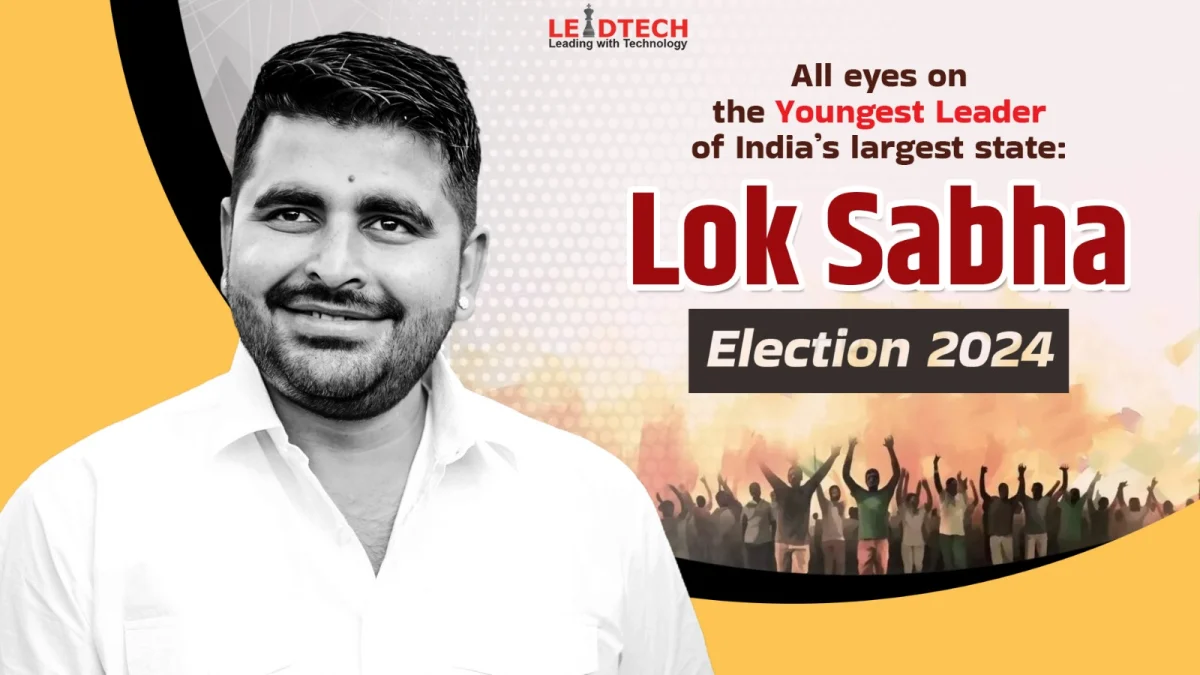
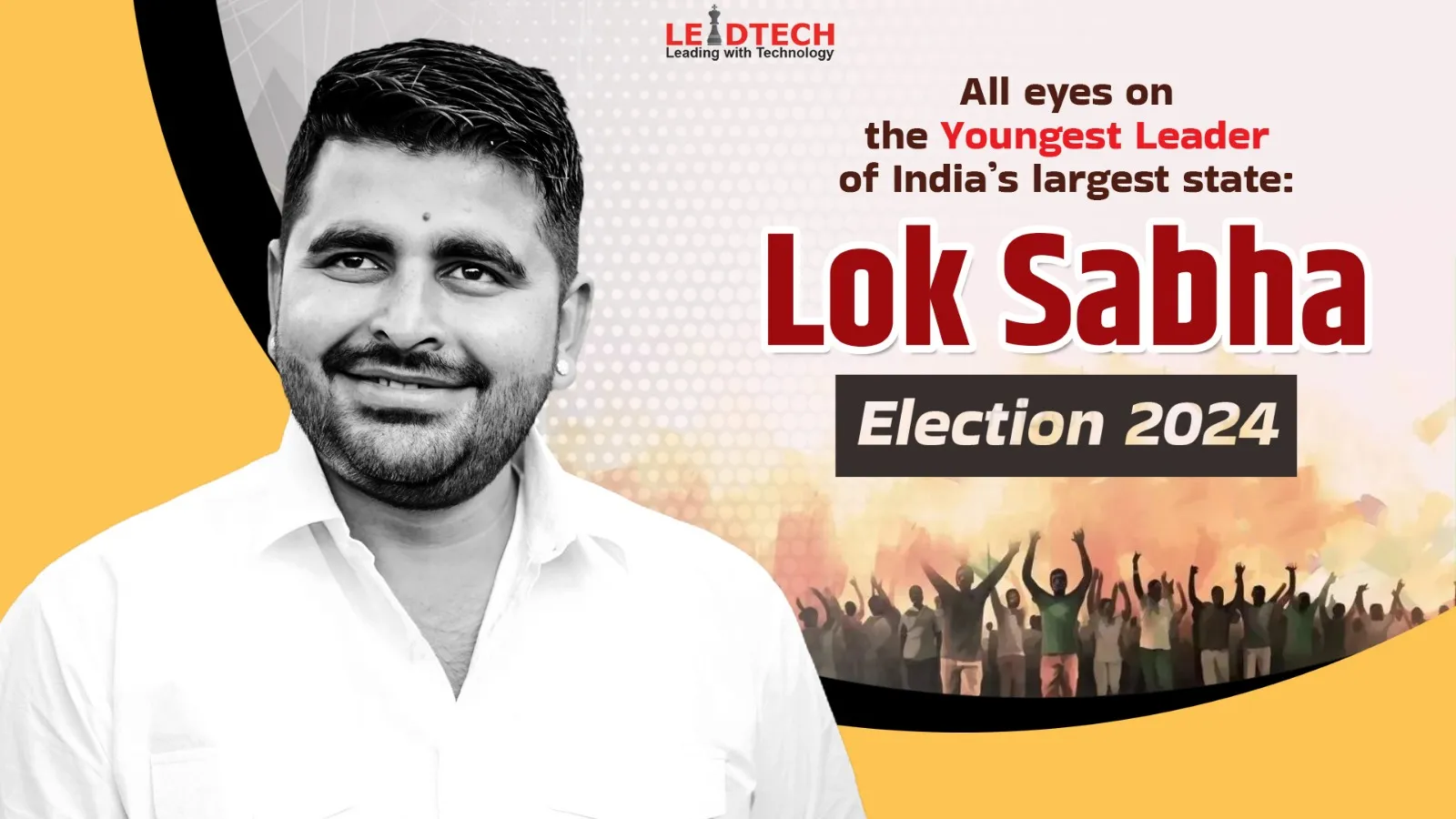
Lok Sabha 2024: Focus on India’s Largest State’s Young Leader

Lok Sabha Election

As the second phase of the Indian general election approaches, all eyes are on Barmer Lok Sabha constituency, where the youngest MLA of Rajasthan, 26-year-old Ravindra Singh Bhati, has entered the fray as an independent candidate. Ravindra Singh Bhati’s candidacy, from Barmer PC has garnered significant attention, making the electoral contest in the region even more compelling.

Who is Ravindra Singh Bhati?

Hailing from a non-political background, Ravindra Bhati has emerged as a notable figure in Rajasthan’s political landscape. At just 26 years old, he made history as the youngest MLA in the Rajasthan assembly after winning the 2023 assembly election from the Sheo assembly constituency. Defying the odds and facing formidable opponents like Fateh Khan, Ameen Khan, and Swaroop Singh Khara, Bhati’s victory marked a significant milestone as a first-generation politician.

Bhati’s charismatic presence and ability to draw crowds of thousands with his famous rallying cry, “Laatha rahiya” (stay strong), have earned him comparisons to stalwart politicians like Sachin Pilot and Prime Minister Modi. His knack for connecting with the masses underscores his growing influence and appeal among voters across Rajasthan.

Despite his rapid rise in politics, Bhati remains grounded in his roots. His father, Shaitan Singh Bhati, serves as a school teacher, while his mother, Ashok Kanwar, is a dedicated homemaker. Their humble background reflects Bhati’s commitment to serving his community and advocating for the issues that matter most to the people of Rajasthan.

As Ravindra Singh Bhati continues to chart his political path, his journey exemplifies the power of determination, grassroots support, and the potential for change that resonates deeply with the people he represents.

Student Politics:

Ravindra Singh Bhati’s candidacy in the upcoming election isn’t his first venture into independent politics. During his college years at Jai Narain Vyas University (JNVU), Jodhpur, Bhati was an active member of the ABVP and delved into student politics. His journey began when he sought a ticket for the college presidency from the ABVP. However, when the organization denied him the ticket, Bhati decided to contest independently. His bold move paid off as he clinched victory, becoming the inaugural independent student union president in JNVU’s 57-year history.

Bhati’s fame doubled due to his unwavering advocacy for student rights. He fearlessly led protests and even faced imprisonment for his staunch stance against stakeholders infringing upon students’ rights, whether it was addressing fee issues or navigating the challenges posed by the Covid-19 pandemic. Throughout, Bhati remained actively engaged on the ground, rallying support and building his team across the state.

Now, as he steps onto the broader political stage, Ravindra Singh Bhati’s journey from student activism to a candidate in the Barmer Lok Sabha constituency underscores his commitment to grassroots issues and his ability to mobilize support for change.

2023 Assembly Election:

Sheo AC is dominated by the Rajputs and Muslim communities, while the SC community stands third.

● INC: The electoral landscape was marked by a tense contest between Ameen Khan, the INC MLA, and Fateh Khan, an independent candidate and former district president of the Indian National Congress, both representing the Muslim community’s interests.

Fateh Khan’s decision to contest independently stemmed from the INC’s choice to field Ameen Khan again, leaving many in the Muslim community torn between the two candidates. This split in Muslim votes created uncertainty among voters about whom to support, intensifying the electoral competition in Sheo AC.

As Fateh and Ameen Khan vied for support within the Muslim community, the dynamics of the election highlighted the complexities of local politics and the challenges of navigating competing interests.

● BJP: Ravindra Bhati’s political journey has been marked by his affiliations with organizations like the RSS and ABVP, indicating his ideological leanings towards the BJP. Prior to the 2023 assembly elections in Rajasthan, Bhati publicly acknowledged his alignment with the BJP. Anticipating a ticket from the party, he formally joined the BJP ranks. However, his hopes were dashed when the BJP instead chose Swaroop Singh Khara, then the district president of Barmer, as its candidate for the Sheo assembly constituency.

Feeling betrayed by the party’s decision despite his allegiance, Bhati swiftly resigned from the BJP just a week after joining and decided to contest the election independently. This move sparked rumors among locals and supporters, with some speculating that influential figures like Gajendra Singh Shekawat might have played a role in denying Bhati a ticket to prevent him from potentially overshadowing their leadership in the region.

Despite the hurdles and challenges, Bhati remained undeterred and entered the electoral fray as an independent candidate. In a closely contested battle, he emerged victorious, securing the seat against tough competition from another independent leader, Fateh Khan, with a narrow margin of approximately 4,000 votes.

2024 Lok Sabha Election:

The 2024 Lok Sabha election in Barmer is shaping up to be fiercely contested, with the emergence of Ravindra Singh Bhati as a key player shaking up the political landscape. Both the BJP and INC are facing formidable challenges, largely due to Bhati’s disruptive presence, which has kept their star campaigners on edge.

Bhati’s potential to sway the Rajput community away from the BJP, traditionally seen as its loyal vote bank, adds another layer of complexity to the electoral dynamics. The Rajput community’s discontent with the BJP’s political strategies has become increasingly evident through protests and agitation, signaling a significant shift in their allegiance.

In the 2024 election, Bhati is fighting against the BJP’s Kailash Choudhary and Congress’ Umeda Ram Beniwal, both representing the influential Jat community, a crucial vote bank in Barmer. Local observers anticipate a split in the Jat vote between the two parties, potentially creating an opening for Bhati to secure victory once again as an independent candidate.

Bhati’s appeal transcends his Rajput roots, with supporters hailing him as a leader representing the interests of the “36-kom” or “36-communities.” His ability to unite diverse groups under a common banner underscores his broad-based support and grassroots appeal.

The electoral contest in Barmer has become triangular, with Bhati challenging Union Minister Kailash Choudhary from the BJP and Ummeda Ram from the Congress, who recently joined the party after leaving the RLP.

As the election approaches, the dynamics of Barmer’s political landscape continue to evolve, with Bhati’s candidacy injecting a fresh sense of unpredictability into the race.

Analytical Prediction:

According to Leadtech’s analysis, the independent candidate Ravindra is projected to win the 2024 election with approximately ~45% of the vote share. Following closely behind, the INC’s candidate Ummeda Ram is expected to secure around ~30% of the vote share, while the BJP’s candidate, Kailash Choudhary, is forecasted to come in third with approximately ~20% of the vote share.

In conclusion, Ravindra Singh Bhati’s meteoric rise from student activism to becoming the youngest MLA in Rajasthan and now a formidable independent candidate in the Barmer Lok Sabha election reflects the changing dynamics of Indian politics. His ability to mobilize diverse communities and challenge established party lines has injected unprecedented excitement and unpredictability into the electoral contest. As the 2024 Lok Sabha election approaches, all eyes are on Barmer, where Bhati’s candidacy promises to reshape the region’s political landscape. With analytical predictions favoring his victory, Bhati’s journey exemplifies the power of grassroots support and the potential for change in India’s largest state.
Categories
Political research

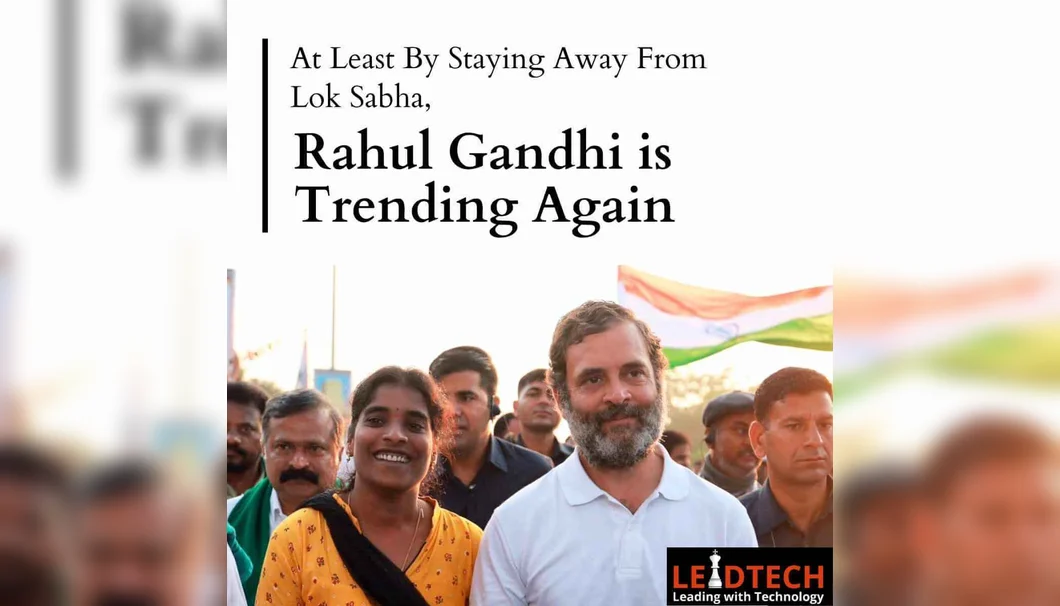
Lok Sabha Absence Puts Rahul Gandhi Back in Spotlight

The heir to the Gandhi legacy, the present representative of the clan, the Congress PM face since before 2004, the unlucky Gandhi – Rahul Gandhi has been described in many ways. But since Modi’s ascent in 2014, there’s been largely one way to describe him, and that is ridicule. He has been ridiculed for his statements, his leadership, his vacations, his electoral failures, just to list a few. The media has been merciless, his support base has been waning, and his Opposition has been growing stronger. It was expected that after 18 years of vying for the Prime Ministerial seat, his spirit would break and he would retract. If not entirely from politics, then at least just from his party’s front. But Rahul did not do that. Rahul has come back into the limelight, and this time, his publicity isn’t all negative.

On 17 December 2022, Rahul Gandhi was trending on Twitter, with over 60,000 tweets mentioning him. What was that about? A statement he made about the Indian soldiers – more accurately, about the lack of preparement of the Indian Army in comparison to China’s, and questioning the facts of previous surgical strikes which took place under Modi’s rule. Unsurprisingly, it got reactions from the BJP’s elite media team, consisting of personalities like Amit Malviya, Anand Ranganathan, Shehzad Poonawala, amongst others. Ministers like Kiren Rijiju also contributed to this debate. Rahul was likened to Bilawal Bhutto Zardari, and news anchors also came down heavily on him.

Yet, despite the whole kerfuffle, Rahul benefitted. This isn’t the first time he has gained media traction this year.

This is because in the year 2022, Congress finally seems to be on a path of revival. Earlier this year, they invited Prashant Kishor of IPAC to fix the party and potentially get involved for the 2024 Lok Sabha polls. Even though the meeting went awry, it was a good sign for the Grand Old Party, which despite struggling all these years, refused to seek external help. Rahul stopped vying for the Party President seat this year, after years of criticism of the Gandhi family, dynasty politics and nepotism. Mallikarjun Kharge took his place, relieving Rahul of another responsibility. Now Rahul could be free to pursue just one thing – and that was trying to remove BJP from the country. He started with his Bharat Jodo Yatra, but it was ignored by the media. So Rahul is simply trying to bring attention to it.

This is what happens when Rahul trends for his “controversial” statement. A Twitter user may scroll to find the first 3 posts about the statement, but the 4th post will inevitably be about a huge rally, with a salt-and-pepper bearded Rahul waving to them. Even if Rahul’s supporters seem to be reducing, there are over 10,000 tweets daily about the Bharat Jodo Yatra, which go unmissed since such a small number usually would not trend. But add in 50,000 tweets which go against Rahul, and the total tally goes up – and it captures Twitter’s attention. Suddenly Rahul is trending.

The polarized audience continue to stay polarized – prima facie, they still dislike Rahul, they still think he has no chance in any polls – but they are subliminally introduced to the flip side of the coin, which is that Rahul is leading a very successful pad yatra throughout the country. The media manipulation tactics, which were successfully used by BJP through the years – putting money in advertising and wooing mainstream anchors to vocalize their support of the party, are now being countered by Rahul and Congress. He is not only trending on Twitter – even news organizations are having to report on him. And that is better than being out of the limelight like he was for several years. He is finally behaving like an Opposition is supposed to behave.

Social media is a strong tool that the ruling party has mastered using, since the boom of the digital age in India. Other parties still struggle with it, and go for either generic media agencies with low political understanding and/or use internal teams with low media knowledge. Leadtech has a dedicated wing to Digital Management, with a primary focus on social media. Contact us today to find out how we can help capture your audiences.

GET IN TOUCH

    Get in Touch


    By clicking Submit, I hereby authorize Leadtech and its affiliates to call, email, send a text through the Short messaging Service (SMS) and/or Whatsapp. The consent herein shall override any registration for DNC/NDNC.

    Categories
    Election PR Management

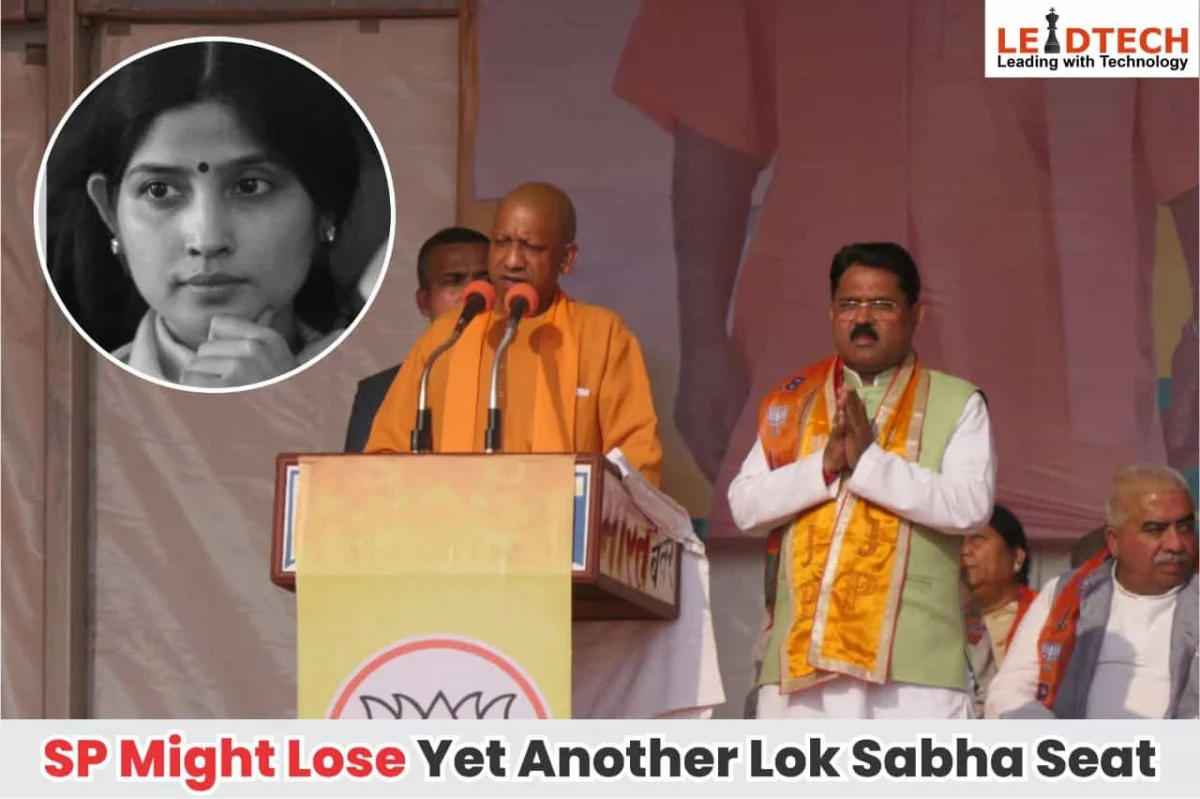
    Mainpuri By-Election – SP Might Lose Yet Another Lok Sabha Seat

    Mainpuri Election

    The whole of Mainpuri is bustling with the cries of SP’s recent campaign slogan, “UP ki Chaabi, Dimple Bhabhi.” After the unexpected passing of SP founder and patriarch Mulayam Singh Yadav, this by-election is a crucial one for Samajwadi Party. They won only 5 seats in the 2019 general elections due to their Mahagathbandhan Alliance, of which they had already lost 2 seats (Azamgarh and Rampur), which went to BJP in the by-polls. Mulayam’s stronghold, Mainpuri Lok Sabha, is now the third seat lost by SP. The question now is – can SP at least retain this seat, or will it go to the BJP again?

    Mulayam Singh Yadav has won this seat 5 times, but non-consecutively (except 2009-14). Samajwadi Party has won this seat consecutively since 1996. This seat has always been a stronghold of SP. However, in the past few years, the vote share of SP has gone down. From 2014, when his grandson Tej Pratap Singh won with over 32% margin over BJP’s Prem Singh Shakya, the margin in 2019 was barely 9% – even though Mulayam himself contested. Even the 5 Assembly segments under Mainpuri Lok Sabha were threatened. In 2022, two of the five seats were won by BJP (Bhongaon and Mainpuri), when in the past, all 5 used to be won by SP. Both Yogi Adityanath and Modi factors have reduced the influence of SP in Mainpuri. This was also exacerbated by the internal conflicts of the Yadav clan – differences between Shivpal and nephew Akhilesh.

    Caste wise, it is clear why Mainpuri was a Samajwadi Party bastion. Almost 4.25 lakh voters belong to the Yadav community, which forms approximately 20% of the votebase. The Shakya community consists of 3.25 lakh voters. Both these strong OBC groups used to vote for SP. The constituency is actually Mulayam Singh Yadav (popularly known as ‘Netaji’)’s home constituency. It was the first Lok Sabha seat in which he contested and won, way back in 1996.

    In this by-election, which took place on 5 December 2022, both major parties projected new faces.

    SP decided to nominate Dimple Yadav, the daughter-in-law of Netaji, and the wife of former CM Akhilesh Yadav. Her candidature even led to the union of the Yadav family, with PSP(L) head Shivpal Singh Yadav campaigning in favor of Dimple. Her electoral history is tainted – she won in 2012 only when her husband vacated the Kannauj Lok Sabha seat to become the CM, and in 2014, when the opposition withdrew the nominations. Whenever she has been in a real competition, like in 2009 against Raj Babbar (INC) or in 2019 against Subrat Pathak (BJP), she has lost. However, again, this time, she has the advantage of her father-in-law’s illustrious career and on-ground popularity.

    BJP decided to project Raghuraj Singh Shakya, who very recently quit PSP(L). He has served as an SP MLA from Etawah Assembly from 2012-17, and as an MP from Etawah Lok Sabha, from 1999 to 2009. After that, the seat became reserved for SCs, and hence Shakya could not contest. His decision to join BJP may have been fueled by the internal differences within SP and PSP(L), and his admiration of PM Narendra Modi.

    Leadtech’s top analysts have been involved in UP elections since 2008. With a tremendous amount of caste data collected by our surveyors over the years and through the elections, Leadtech has a high accuracy in result prediction.

    BJP, in this case, has higher chances of winning Mainpuri, mainly due to the caste consolidation. They will receive support from communities like Shakyas (original SP loyalists), Thakurs, Brahmins, and Lodhi. The Dalit vote will be split, and a small percentage of Yadav vote will go to BJP too. BJP has already shown that it plans to capture every by-poll and take back seats that they could not win in 2019. Their on-ground campaigning, combined with Modi’s national appeal, has resulted in a lot of success for BJP in even traditional SP seats. Dimple’s only benefit this election is the sympathy vote, which she will garner due to her father-in-law’s passing. Besides this, the caste factor will not work in SP’s favor this election.

    The results for the by-poll are expected to come on 8 December 2022. If SP manages to retain it, their representation in Lok Sabha will increase to 3 – or else, it will be a humiliation for them and raise questions about their future in Uttar Pradesh. Another consequence will be that if she loses, there will be no member of the Yadav clan in either Lok Sabha or Rajya Sabha – which will be a first for the family since 1996.

    GET IN TOUCH

      Get in Touch


      By clicking Submit, I hereby authorize Leadtech and its affiliates to call, email, send a text through the Short messaging Service (SMS) and/or Whatsapp. The consent herein shall override any registration for DNC/NDNC.

      Categories
      Election PR Management

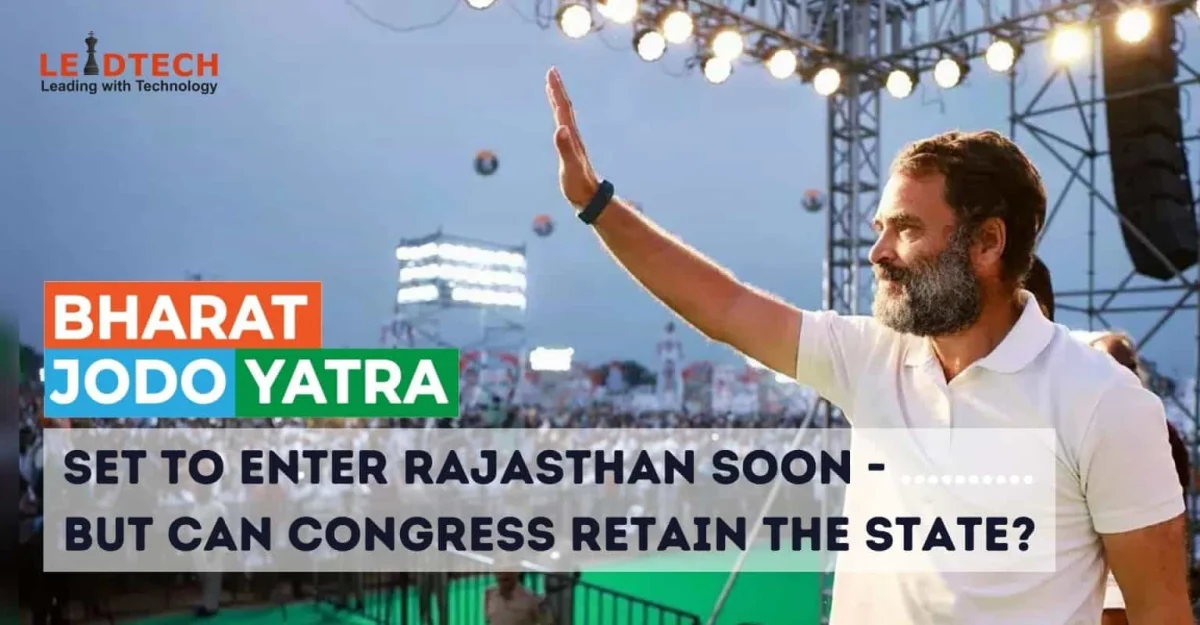
      Bharat Jodo Yatra Enters Rajasthan: Can Congress Hold Power?

      BHARAT JODO YATRA

      There are only two states in the country where Congress is ruling independently, without the support of a coalition partner – Chhattisgarh and Rajasthan. Although Chhattisgarh, after 15 years of BJP rule, gave the mandate to INC in the last election (2018), Rajasthan has a so-called tennis court arrangement. Since 1998, every term, the party in power changes, andthe other one takes control. Since 1998, only 2 people, Ashok Gehlot and Vasundhra Raje, have served as the Chief Minister, on and off. What’s more – it’s a well known fact among political circles that these two opposing forces are actually friends.

      While Congress suffered in multiple states since their loss in Lok Sabha beginning 2014, Rajasthan was one of the few states that they won in, and didn’t lose out to political crises like in MP and Karnataka. It certainly wasn’t due to Gehlot’s good governance – his present term has been full of controversies and scandals. Union Home Minister Amit Shah’s speech in September earlier this year highlighted some of the broken promises – the collapse of law and order, high VAT and power tariffs, unemployment, and many more.

      Some allege that Vasundhra Raje is the reason why Gehlot is still in power. It is no secret that Raje has been sidelined from Rajasthan politics almost altogether. She has served two full terms, with many successful schemes, but due to her differences with the BJP high command, Amit Shah in particular, she is no longer involved in the state. She holds no posts – Satish Poonia is the state party president and former state minister Gulab Chand Kataria is the Leader of Opposition despite having a former CM in the assembly. She has the ceremonial post of National Vice President, but no control in her home state. It is not far-fetched for the public to assume that after being denied opportunities, Raje would work against the party, or at least, not find motivation to help the party.

      Despite Raje’s present position, and her potential to prevent BJP forming government next year when Rajasthan goes to the polls, BJP is not in crisis-mode yet. There is no lack of influential leaders from the state. Lok Sabha Speaker Om Birla, for instance, is a gold-medal candidate for the Chief Minister. Gajendra Singh Shekhawat, the MP from Jodhpur, also is favored by Modi-Shah, even though his influence is mainly restricted to Western Rajasthan. There are many underdogs who are also vying for the seat, but the decision “will be up to the party”, they
      all claim.

      Despite Raje’s present position, and her potential to prevent BJP forming government next year when Rajasthan goes to the polls, BJP is not in crisis-mode yet. There is no lack of influential leaders from the state. Lok Sabha Speaker Om Birla, for instance, is a gold-medal candidate for the Chief Minister. Gajendra Singh Shekhawat, the MP from Jodhpur, also is favored by Modi-Shah, even though his influence is mainly restricted to Western Rajasthan. There are many underdogs who are also vying for the seat, but the decision “will be up to the party”, they all claim.

      On the first glance, one may assess Congress’s position in the state as strong, but the party has its own complications. For starters, the CM face for the party is still dubious. 3 term incumbent Ashok Gehlot seems like the more natural choice, but Sachin Pilot has been aiming for the seat for a long time. Even though Gehlot gave up the Congress presidential post to safeguard his position in the state, it would be interesting to see who Mallikarjun Kharge would pick for the face next year. If at all they decide to go with Pilot, a begrudged Gehlot might work Raje-style and help Congress lose. Besides leadership, Congress also has the problem of caste-based vote consolidation – a strategy BJP is a master of, but Congress lately seems to have lost an understanding of. Ultimately, it will depend upon the on-ground work both parties undertake.

      LEADTECH has been a pioneer in Election Management since its inception in 2008. From assisting individual candidates in their constituencies to whole parties in over 20 states, LEADTECH has focused on improving leadership with the help of technology. Contact us to find more information about our past work and how we can help you win in your constituency next year.

      GET IN TOUCH

        Get in Touch


        By clicking Submit, I hereby authorize Leadtech and its affiliates to call, email, send a text through the Short messaging Service (SMS) and/or Whatsapp. The consent herein shall override any registration for DNC/NDNC.