
Categories
Bihar Elections

The Role of Social Media in Bihar’s 2025 Elections

Social Media Management in Elections

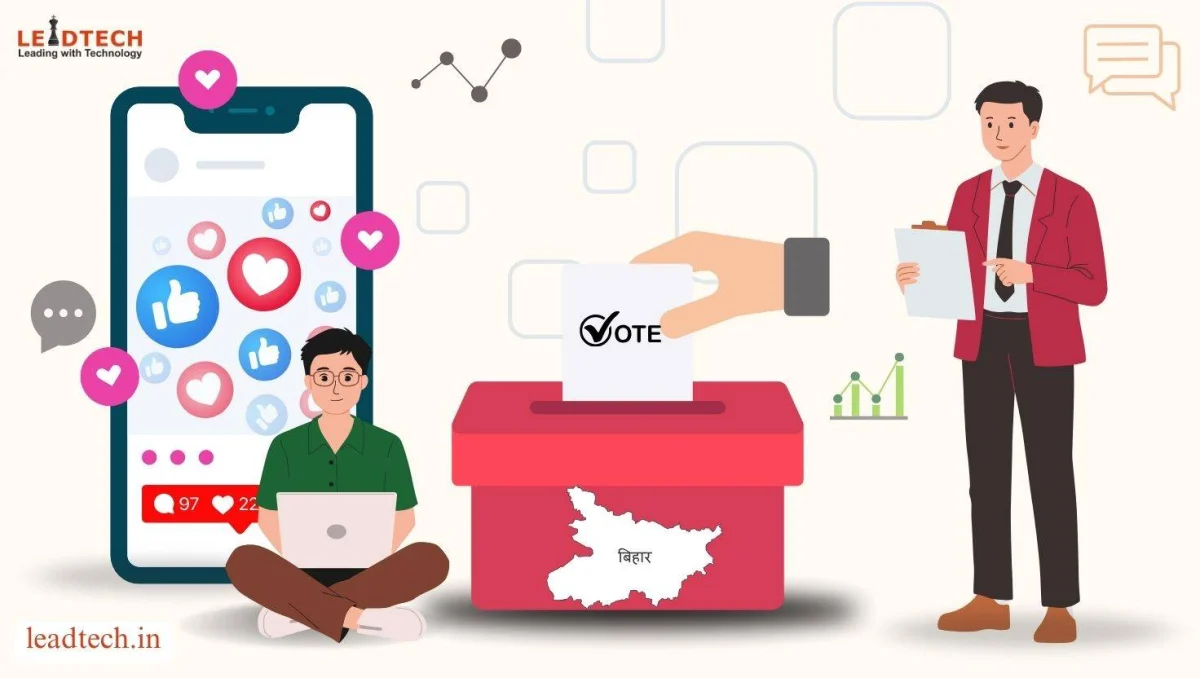
As the 2025 Bihar Assembly Elections approach, the air is thick with anticipation—not just in the crowded bazaars of Patna or the villages of Gaya, but in the buzzing, chaotic world of social media. Platforms like WhatsApp, Instagram, YouTube, and others have transformed Bihar’s political landscape, turning smartphones into battlegrounds where voter sentiment is shaped, controversies explode, and leaders connect with a restless, youthful electorate.

With over 60% of Bihar’s 120 million people under 30, social media is no longer a sideshow—it’s the main stage. From viral campaigns that ignite hope to misinformation that sows confusion, these platforms are redefining how Bihar’s 243 constituencies will choose their leaders. Let’s dive into the electrifying role of social media in the 2025 elections, exploring how it shapes voter sentiment, amplifies controversies, empowers leaders to reach the youth, and navigates the tricky waters of viral campaigns and misinformation in Bihar’s vibrant electoral discourse.

Social Media’s Rise in Bihar: A New Political Frontier

Bihar’s political history is steeped in caste alliances, fiery rallies, and grassroots campaigns. But in 2025, social media has added a new layer to this mix. With over 50 million smartphone users in the state and internet penetration growing to around 40% (as of 2024), platforms like WhatsApp, Instagram, and YouTube are now as critical as village chaupals.

Social media offers unfiltered, real-time access to voters, bypassing traditional media’s gatekeepers and enabling parties to craft narratives that hit home instantly.
In a state where caste, economic challenges, and youth aspirations drive politics, social media amplifies these dynamics. It’s where a farmer in Purnia shares his struggles, a student in Patna debates job policies, and a leader’s misstep becomes a statewide scandal in hours.

Political parties—be it the National Democratic Alliance (NDA), Mahagathbandhan, or newcomers like Jan Suraaj—are investing heavily in digital strategies, hiring influencers, content creators, and data analysts to sway voters. But this digital frontier is a double-edged sword, offering both unprecedented opportunities and risks that can make or break campaigns.

Shaping Voter Sentiment: The Pulse of Bihar’s People

Social media is Bihar’s new pulse-taker, capturing the hopes, frustrations, and dreams of its people. Platforms allow parties to gauge real-time sentiment on issues like unemployment, migration, and caste-based reservations, which dominate the state’s discourse. For instance, posts about job creation or infrastructure delays often trend, forcing leaders to respond quickly. A viral video of a pothole-ridden road in Muzaffarpur can spark thousands of comments, amplifying public frustration and pushing parties to address local grievances.

The youth, in particular, are driving this shift. With 60% of Bihar’s population under 30, social media is their megaphone. Platforms like Instagram and YouTube host debates on issues like the demand for a caste census or the state’s lag in IT development. Leaders who tap into these conversations—through live sessions, Reels, or WhatsApp groups—can sway young voters who feel ignored by traditional politics. Social media’s immediacy also makes it a barometer of public mood, helping parties adjust campaigns on the fly, whether it’s highlighting Nitish Kumar’s governance or Tejashwi Yadav’s job promises.

However, this power to shape sentiment cuts both ways. Social media often amplifies polarized views, with caste-based rhetoric and regional divides dominating discussions. Hashtags like #BiharNeedsChange or #NitishFailed can polarize voters, creating echo chambers that deepen mistrust between communities. In a state as diverse as Bihar, this can fuel tensions, making social media a volatile force in shaping voter sentiment.

Amplifying Controversies: From Local Whispers to Statewide Storms

Social media’s ability to turn small incidents into major controversies is a defining feature of Bihar’s 2025 elections. A prime example is the Rahul Gandhi luxury toilet controversy during his June 2025 visit to Dashrath Manjhi’s family in Gaya. Allegations spread that a high-end toilet was built near the Manjhi family’s mud hut for Gandhi’s convenience, sparking outrage. Within hours, posts and WhatsApp forwards branded Gandhi a “hypocrite,” accusing him of preaching pro-poor values while indulging in elite comforts. Memes juxtaposing the Manjhi family’s poverty with Gandhi’s alleged privilege went viral, with hashtags trending across platforms.

This incident shows how social media can amplify a local event into a statewide narrative. The controversy overshadowed Gandhi’s broader agenda—his push for a caste census and outreach to Dalits and EBCs—damaging Congress’s image among voters who revere Manjhi’s legacy. While Congress supporters countered that the claims were unverified and part of an NDA smear campaign, their posts struggled to match the viral outrage. The episode highlights social media’s power to shape perceptions, often before facts are fully established.

Other controversies, like allegations of Nitish Kumar’s governance failures or Tejashwi Yadav’s ties to past “Jungle Raj,” also gain traction online. These narratives, fueled by memes and short videos, can sway undecided voters, especially in rural areas where social media is often the primary news source. The challenge for parties is managing these firestorms, as a single viral post can undo weeks of campaign work.

Connecting with the Youth: Leaders on the Digital Stage

Bihar’s youth are the heart of the 2025 elections, and social media is their playground. Leaders who master these platforms can build powerful connections with this demographic. The NDA, Mahagathbandhan, and smaller players like Jan Suraaj are all vying for the youth vote, using tailored content to stand out.

The NDA leverages YouTube and Instagram to highlight infrastructure projects like expressways and smart cities, with polished videos showcasing Nitish Kumar’s governance. These posts, often shared by party supporters, aim to appeal to urban youth seeking development. The Mahagathbandhan, led by Tejashwi Yadav, uses Instagram Reels and WhatsApp to push promises like 85% reservation and job creation. Tejashwi’s Reels, often in Bhojpuri, connect with rural youth, blending policy talk with cultural pride.

Prashant Kishor’s Jan Suraaj Party, a new entrant, uses YouTube live sessions to discuss governance reforms, appealing to urban, educated youth. Similarly, the Aam Aadmi Party (AAP) shares videos of Arvind Kejriwal’s Delhi model, pitching it as a blueprint for Bihar. These efforts show how social media levels the playing field, allowing smaller parties to compete with established giants.

Social media also fosters direct engagement. Leaders host live Q&A sessions, reply to comments, and share behind-the-scenes glimpses of their campaigns, making them more relatable. This accessibility is key in a state where youth feel disconnected from traditional leaders. However, it’s a high-stakes game—missteps, like an insensitive post or a poorly timed comment, can go viral, alienating young voters.

🗳️ “Elections aren’t just won on the ground—they’re won in the scroll!”
If you’re serious about making digital waves in Bihar’s 2025 elections—don’t just post, influence.
📞 Call now to connect with our election strategy experts and lead the digital narrative!

The Power of Viral Campaigns: Hype and Hope

Viral campaigns are the new currency of Bihar’s elections, turning ideas into movements overnight. Parties are investing in influencers, memes, and short-form content to capture attention. The NDA’s campaigns, with hashtags promoting Nitish Kumar’s achievements, use drone-shot videos and infographics to project progress. The Mahagathbandhan counters with posts highlighting unfulfilled promises, using emotional appeals to connect with voters frustrated by unemployment and migration.

Smaller parties excel here too. Jan Suraaj’s policy-focused videos, often shared via WhatsApp, have sparked debates among urban voters, while AAP’s campaign videos draw parallels between Delhi’s schools and Bihar’s needs. These campaigns thrive on relatability, using local languages and cultural references to resonate with Bihar’s diverse audiences.

But viral campaigns can backfire. A campaign that feels inauthentic—like overly polished ads ignoring rural realities—can alienate voters. The Rahul Gandhi toilet controversy, for instance, was amplified by viral memes that damaged Congress’s credibility. Parties must balance creativity with authenticity to ensure campaigns inspire rather than inflame.

The Misinformation Threat: A Dark Side of Digital Politics

Misinformation is a major challenge in Bihar’s 2025 elections, where low literacy rates (around 61%) make voters vulnerable to false narratives. Social media’s open nature allows rumors to spread like wildfire. The Rahul Gandhi toilet row, for example, gained traction despite lacking mainstream verification, with doctored images and exaggerated claims fueling anger. Similarly, false posts about Nitish Kumar’s governance or Tejashwi Yadav’s policies have circulated, often tailored to exploit caste and regional divides.

A 2024 study found that 30% of election-related content on Indian social media contains misleading information, a problem acute in Bihar where WhatsApp groups are key news sources. Posts claiming fake promises—like free gadgets from candidates—can sway rural voters before being debunked. Parties are also accused of orchestrating misinformation, with the NDA and Mahagathbandhan allegedly using digital operatives to spread rival-bashing narratives.

The Election Commission is cracking down, collaborating with platforms to flag harmful content and issuing guidelines for digital campaigns. But policing social media’s vast ecosystem is tough. Fact-checking initiatives exist, but their reach is limited compared to viral falsehoods. This misinformation minefield threatens Bihar’s electoral integrity, as unverified narratives can shape voter perceptions before facts emerge.

Reshaping Electoral Discourse: Opportunities and Challenges

Social media is redefining Bihar’s electoral discourse, making it more dynamic but also more divisive. Platforms enable real-time debates on critical issues, forcing parties to address voter concerns quickly. They also democratize politics, giving smaller players a voice against giants like the NDA and Mahagathbandhan. But the risk of polarization is high, with caste-based slurs and inflammatory rhetoric often dominating online spaces, threatening Bihar’s social harmony.

Parties must navigate these challenges strategically. Effective digital teams, rapid crisis response, and authentic content are essential to harness social media’s potential while mitigating risks. The Election Commission’s role is critical, but stronger partnerships with platforms and fact-checkers are needed to curb misinformation.

Conclusion: Bihar’s Digital Destiny

The 2025 Bihar Assembly Elections are a landmark moment for social media’s role in Indian politics. Platforms like WhatsApp, Instagram, and YouTube are shaping voter sentiment, amplifying controversies, and connecting leaders with Bihar’s youth. Viral campaigns ignite hope, but misinformation casts a shadow, threatening the fairness of the electoral process.

As Bihar heads to the polls, social media will be a decisive force, from trending hashtags to viral videos. The challenge for parties is to wield this power responsibly, balancing creativity with credibility. In a state brimming with potential and complexity, social media isn’t just shaping elections—it’s shaping Bihar’s future.
Categories
Political Survey

Why Choosing the Right Survey Company in India Matters

Best Survey Company in India

In a country as vibrant and diverse as India, understanding your audience is like navigating a bustling marketplace—exciting, complex, and full of potential. Whether you’re launching a new product, refining a marketing strategy, or shaping public policy, surveys are your compass, guiding you through the chaos to uncover what people truly think. But here’s the thing: not all survey companies are created equal. Picking the right one can transform your project, delivering insights that drive success, while the wrong choice can lead to wasted time, money, and opportunities. Let’s explore why selecting the right survey company in India is a decision that can make a big difference, with a human touch to help you see why it matters.

The Indian Market: A Mosaic of Diversity

India’s 1.4 billion people speak 22 official languages, celebrate countless festivals, and live in settings ranging from skyscraper-studded metros to quiet rural hamlets. Every region has its own customs, tastes, and priorities—what works in one city might flop in another. Surveys are your tool to decode this diversity, offering a window into consumer behavior, public opinion, or market trends. But to get it right, you need a survey company that doesn’t just collect data—it understands the pulse of India’s varied communities.

A poorly chosen survey company can miss these nuances, delivering results that are off-target or incomplete. The right company, however, turns India’s complexity into an advantage, providing insights that are as rich and varied as the country itself. So, what sets a great survey company apart? Let’s dive into the key factors.

Why the Right Survey Company Makes a Difference

1. Navigating Cultural and Linguistic Nuances
India’s cultural landscape is a tapestry of traditions and languages. A survey that resonates in one region might fall flat in another if it doesn’t account for local context. The right survey company knows how to craft questions that reflect regional languages, customs, and sensitivities. They’ll use the appropriate language for different audiences, ensure questions align with cultural norms, and avoid missteps during sensitive periods like festivals. This
cultural fluency ensures responses are genuine and relevant, giving you a true picture of your audience.

2. Mastering Survey Methodology
Designing a survey is both a science and an art. It’s not just about asking questions—it’s about asking the right questions in the right way. A professional survey company brings expertise in methodology, choosing the best approach—whether quantitative surveys for broad data or qualitative focus groups for deeper insights. In India, where internet access varies widely, they know when to use online surveys, phone interviews, or in-person
methods. They also ensure a balanced sample, capturing voices from urban centers and rural areas alike, to avoid skewed results. This rigor turns raw data into insights you can trust.

Elections are won with strategy, not guesses. Talk to our survey experts today and get insights that lead to victory! Call Now!

3. Leveraging Technology for Efficiency

In 2025, technology is a game-changer for surveys. The right survey company uses advanced tools to collect, analyze, and present data quickly and accurately. From mobile-friendly surveys that reach smartphone users to AI-driven analytics that spot trends in multilingual responses, technology enhances the quality of insights. A good company ensures their platforms are accessible, supporting multiple languages and user-friendly interfaces, making
it easy for respondents across India to participate. This tech-savvy approach delivers results that are both timely and precise.

4. Ensuring Data Accuracy and Integrity
Trust is the foundation of any survey. Respondents need to feel confident that their answers are valued and protected, while clients need data they can rely on. A reputable survey company prioritizes accuracy, using trained interviewers, rigorous quality checks, and secure data handling. They follow ethical standards, ensuring confidentiality and minimizing errors through techniques like random sampling and audits. This commitment to integrity builds trust with both respondents and clients, resulting in data that reflects reality.

5. Delivering Actionable Insights
Data is only as good as the decisions it inspires. The best survey companies don’t just hand over numbers—they provide clear, actionable insights tailored to your goals. Through detailed reports, visualizations, and recommendations, they help you understand what the data means and how to use it. Whether you’re tweaking a product, targeting a new audience, or shaping a campaign, these insights empower you to act with confidence.

How to Choose the Right Survey Company in India

Finding the right survey company doesn’t have to be daunting. Here are practical steps to guide your decision:

1. Evaluate Their Experience: Look for a company with a proven track record in your sector, whether it’s consumer goods, healthcare, or public policy. Ask for examples of past projects to assess their expertise.

2. Check Cultural Competence: Ensure they can navigate India’s diversity. Do they offer multilingual surveys? Can they reach both urban and rural audiences? A company with pan-India capabilities is key.

3. Assess Technology: Inquire about their tools—do they use mobile apps, AI analytics, or real-time reporting? Ensure their platforms are accessible and efficient.

4. Verify Ethical Practices: Confirm they adhere to global standards, with clear policies on data privacy and accuracy. Transparency is a good sign of reliability.

5. Seek Customization: Choose a company that tailors surveys to your needs, avoiding generic templates that miss the mark.

6. Balance Cost and Value: While budget matters, prioritize value over the cheapest option. Compare quotes to find a company that delivers quality within your means.

7. Connect Personally: Reach out to discuss your project. Their responsiveness and understanding of your goals reflect their commitment to your success.

The Human Impact of the Right Choice

Choosing the right survey company isn’t just about data—it’s about unlocking possibilities. Imagine a small business owner who discovers why customers aren’t returning, thanks to a well-designed survey, and turns things around. Or a policymaker who uses accurate insights to address community needs, making a real difference. These outcomes start with a survey company that listens, understands, and delivers.

On the flip side, the wrong choice can be a setback. It’s the frustration of realizing your budget was spent on unusable data or the missed chance to connect with your audience. In India’s fast-moving market, where every decision counts, the right survey company is your partner in navigating the noise and finding clarity.

Conclusion: Your Path to Better Insights

In India’s dynamic landscape, surveys are more than a tool—they’re a bridge to understanding your audience. But their success hinges on the company you choose. The right survey company in India brings cultural insight, methodological expertise, cutting-edge technology, and a commitment to accuracy, turning data into decisions that drive impact. The wrong one risks your resources, reputation, and opportunities.

As you plan your next project, take the time to choose wisely. Look for a partner who sees India’s diversity as an opportunity, not a challenge, and who’s as invested in your success as you are. Because in a country as vibrant as India, the right survey company doesn’t just make a difference—it makes all the difference.

Categories
Bihar Elections

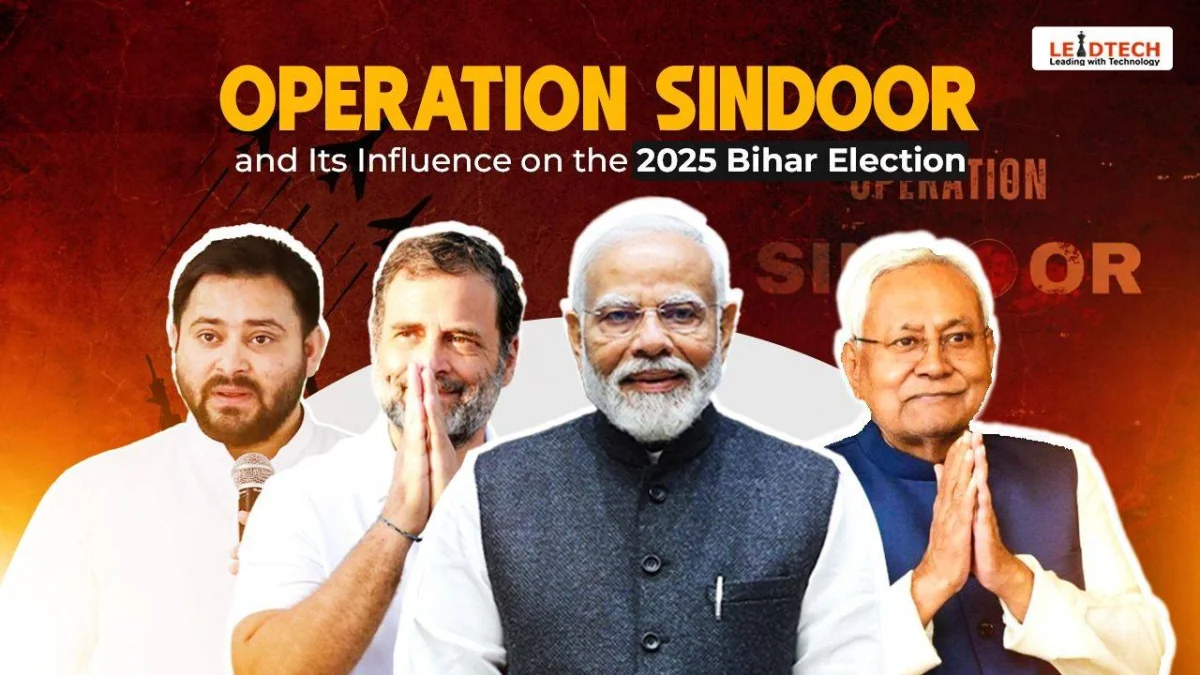
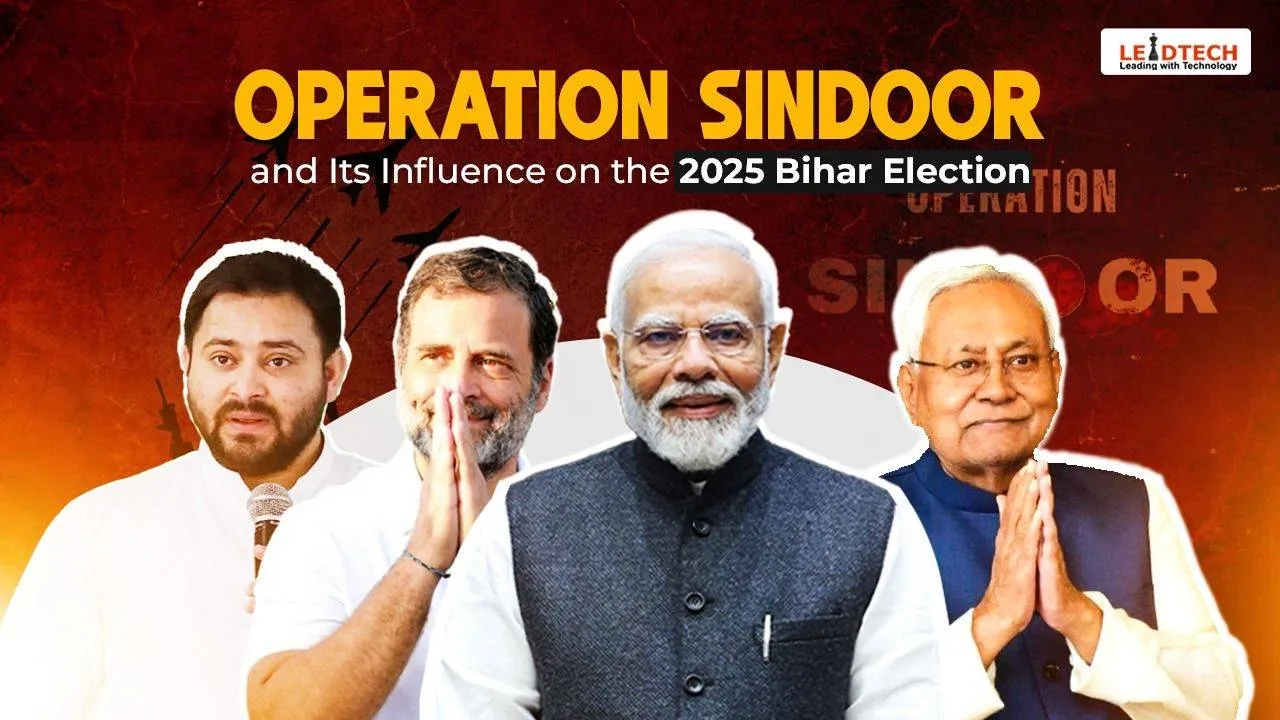
Operation Sindoor and Its Influence on the 2025 Bihar Election

Operation Sindoor and 2025 Bihar Election

The 2025 Bihar Assembly Election has been a pivotal event in Indian politics, characterized by intense competition and complex socio-political dynamics. Among the factors influencing the electoral discourse, Operation Sindoor—a military response to the Pahalgam terror attack—has emerged as a significant point of contention. Promoted by the Bharatiya Janata Party (BJP) as a successful anti-terror operation against Pakistan, it has sparked debates about its politicization and impact on voter sentiment in Bihar. This blog evaluates the influence of Operation Sindoor on the 2025 Bihar election, incorporating statements from key political leaders to provide a comprehensive analysis of its political, social, and electoral implications.

Background of Operation Sindoor

Operation Sindoor was launched in response to a terror attack in Pahalgam, Jammu & Kashmir, prior to the Bihar election cycle in October-November 2025. The operation, described by the BJP as a “100% success,” involved cross-border actions that reportedly compelled Pakistan to seek a ceasefire. The BJP framed the operation as a demonstration of India’s resolve against terrorism, with Prime Minister Narendra Modi and other leaders using the phrase “hot sindoor” (‘मेरी नसों में लहू नहीं गरम सिंदूर दौड़ रहा’: PM Modi, Bikaner rally) to evoke patriotic fervor.

Despite the fact that all parties expressed support for the operation itself, reflecting a rare unity on national security. However, the operation became a political lightning rod. Opposition parties, including the Congress and Rashtriya Janata Dal (RJD), accused the BJP of exploiting Operation Sindoor to gain electoral advantage in Bihar, a state with a history of prioritizing caste and economic issues over national security narratives.

Political Context of the 2025 Bihar Election

Bihar’s electoral landscape is shaped by caste dynamics, regional alliances, and economic challenges. Key players include Chief Minister Nitish Kumar of the Janata Dal (United) (JD(U)), Tejashwi Yadav of the RJD, and Prashant Kishor’s Jan Suraaj Party, a new contender. The BJP, allied with JD(U) in the National Democratic Alliance (NDA), faced coalition tensions, notably with the Nationalist Congress Party (Ajit Pawar faction) opting to contest independently. Against this backdrop, Operation Sindoor entered the campaign as a potential tool for the BJP to shift focus from local issues like unemployment and caste-based reservations to national security.

What Leaders Are Saying

PM Modi, at a Bihar rally, said, “Operation Sindoor avenged Pahalgam,” targeting EBC and Dalit voters. Patra posted on X, “Modi ji’s resolve taught Pakistan a lesson.” Adityanath linked it to “Ahilyabai Holkar’s dharma” for Hindu voters. Yadav backed the operation but criticized politicization: “BJP hides joblessness behind Sindoor.” Banerjee on X said, “Pakistan must face consequences.” Kishor noted, “Soldiers’ bravery is above politics.” The government formed all-party delegations with leaders like Shashi Tharoor (Congress), Kanimozhi Karunanidhi (DMK, Female), Sanjay Jha (JD(U)), and Asaduddin Owaisi (AIMIM, Muslim) to convey a “zero-tolerance against terrorism” message to UN Security Council nations, seeking to hold Pakistan accountable.

How Operation Sindoor Was Politicized

BJP’s Strategy

The BJP integrated Operation Sindoor into its campaign to bolster its nationalist credentials. Modi’s rallies emphasized the operation’s success to project him as a decisive leader, particularly appealing to EBC and Dalit voters. The party reportedly instructed its cadre to promote the operation at the grassroots level, with some X posts alleging the distribution of vermilion in households to symbolize the operation—though such claims remain unverified. The BJP’s narrative aimed to consolidate Hindu voters and counter opposition attacks on governance.

Opposition’s Counter-Narrative

The opposition framed Operation Sindoor as a political ploy. Congress and RJD leaders argued that the BJP was deflecting attention from unemployment, inflation, and demands for a caste census. Some X posts claimed the operation was deliberately timed or paused to maximize electoral impact, though no evidence supports this. The opposition’s strategy was to localize the election narrative, emphasizing issues like job creation and social justice over national security.

Did Operation Sindoor Influence Voter Sentiment?

Arguments in Favor

  • Nationalist Appeal: Bihar’s rural and semi-urban voters, sensitive to patriotic rhetoric, may have been swayed by the BJP’s portrayal of Operation Sindoor as a triumph. Modi’s rallies in key regions likely amplified this sentiment.
  • Consolidation of Hindu Votes: The cultural symbolism of “sindoor” and references to historical figures like Ahilyabai Holkar, as articulated by Adityanath, may have resonated with Hindu voters, particularly upper castes and EBCs, who are critical to the NDA’s vote base.
  • Boost to BJP’s Image: Modi’s projection as a strong leader, reinforced by statements from Patra and others, may have influenced undecided voters in a state where leadership perception matters.

Arguments Against

  • Dominance of Local Issues: Bihar’s elections are driven by caste and economic concerns, which often overshadow national security. Yadav’s focus on jobs and caste issues likely diluted the operation’s impact.
  • Backlash from Politicization: The opposition’s accusations, echoed by Gandhi and Yadav, may have alienated voters who viewed the BJP’s campaign as exploitative. X posts criticizing the BJP for “mocking martyred soldiers” suggest a segment of public discontent.
  • Coalition Tensions: The NDA’s internal challenges, including the NCP (AP)’s independent run and Nitish Kumar’s reported unease with the BJP’s nationalist push, may have limited the operation’s electoral benefits.

Challenges in Assessing Impact

  • Lack of Polling Data: No exit polls link Operation Sindoor to voter preferences.
  • Mixed Narratives: Nationalist agendas competed with local issues.
  • Unverified Claims: Allegations like vermilion distribution or the operation’s timing lack
    credible evidence, complicating analysis.

Conclusion

Operation Sindoor significantly shaped the narrative of the 2025 Bihar election, with the BJP leveraging it to reinforce its nationalist image, as evident in statements from Modi, Patra, and Adityanath. However, the opposition, led by Yadav and Gandhi, countered by framing it as a distraction from Bihar’s core issues, potentially limiting its electoral impact. While the operation may have resonated with voters prioritizing national security, Bihar’s caste-driven politics and economic concerns likely took precedence. The politicization of Operation Sindoor risked backlash, as reflected in public and opposition criticism. As results emerge, the operation’s role will remain a subject of debate—whether it was a decisive electoral factor or a secondary issue in Bihar’s complex political landscape.

Categories
Bihar Elections

How Does A Political Consulting Company Work In Bihar?

Bihar, the heart of Indian politics, significantly impacts the nation through its strategies and connection with its people. Political parties engage with locals through various avenues, including press conferences; sometimes, they prefer door-to-door interactions to foster personal connections. Many political consulting companies in Bihar have the potential to create a roadmap through which a party can lead towards personal interactions to convey the party’s real agenda in the public interest. They conduct a door-to-door survey in Bihar, an opinion poll, and various other surveys that comply with the regional and legal framework of the central and state governments. Here are some of the services a political consulting company in Bihar provides.

What Does A Door-To-Door Survey In Bihar Include?

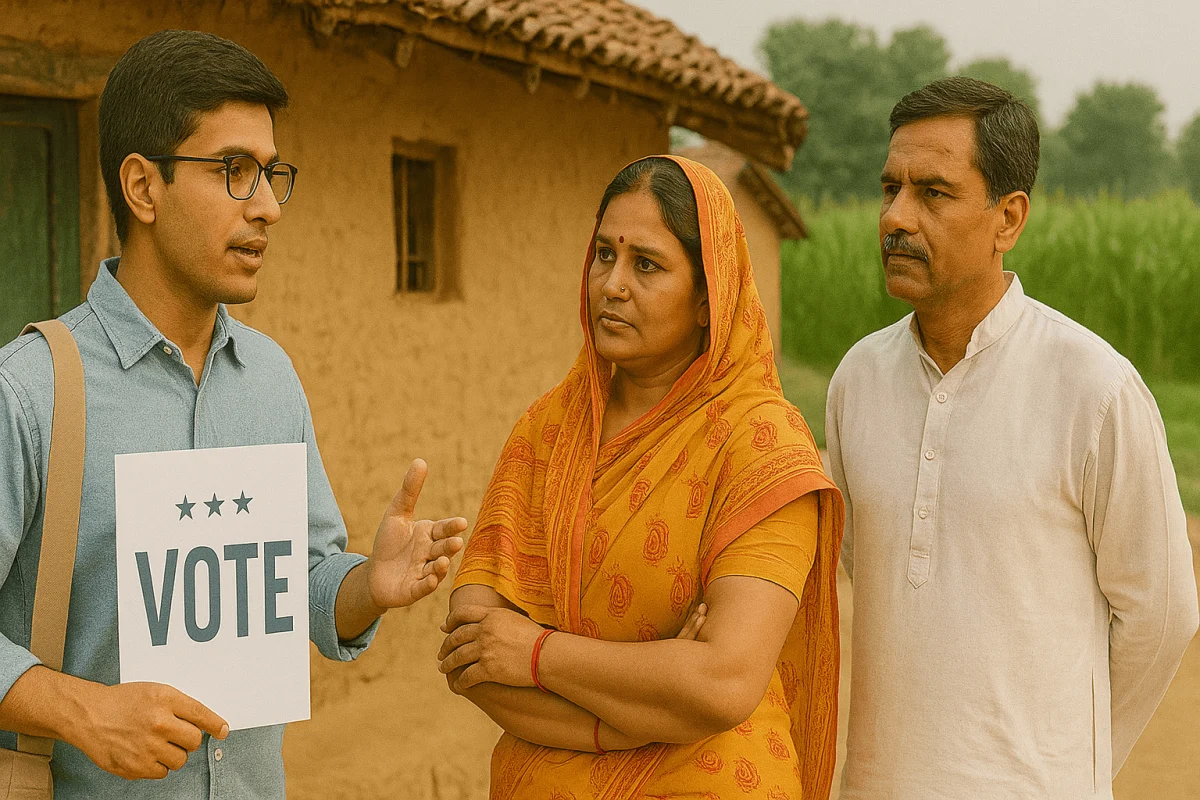
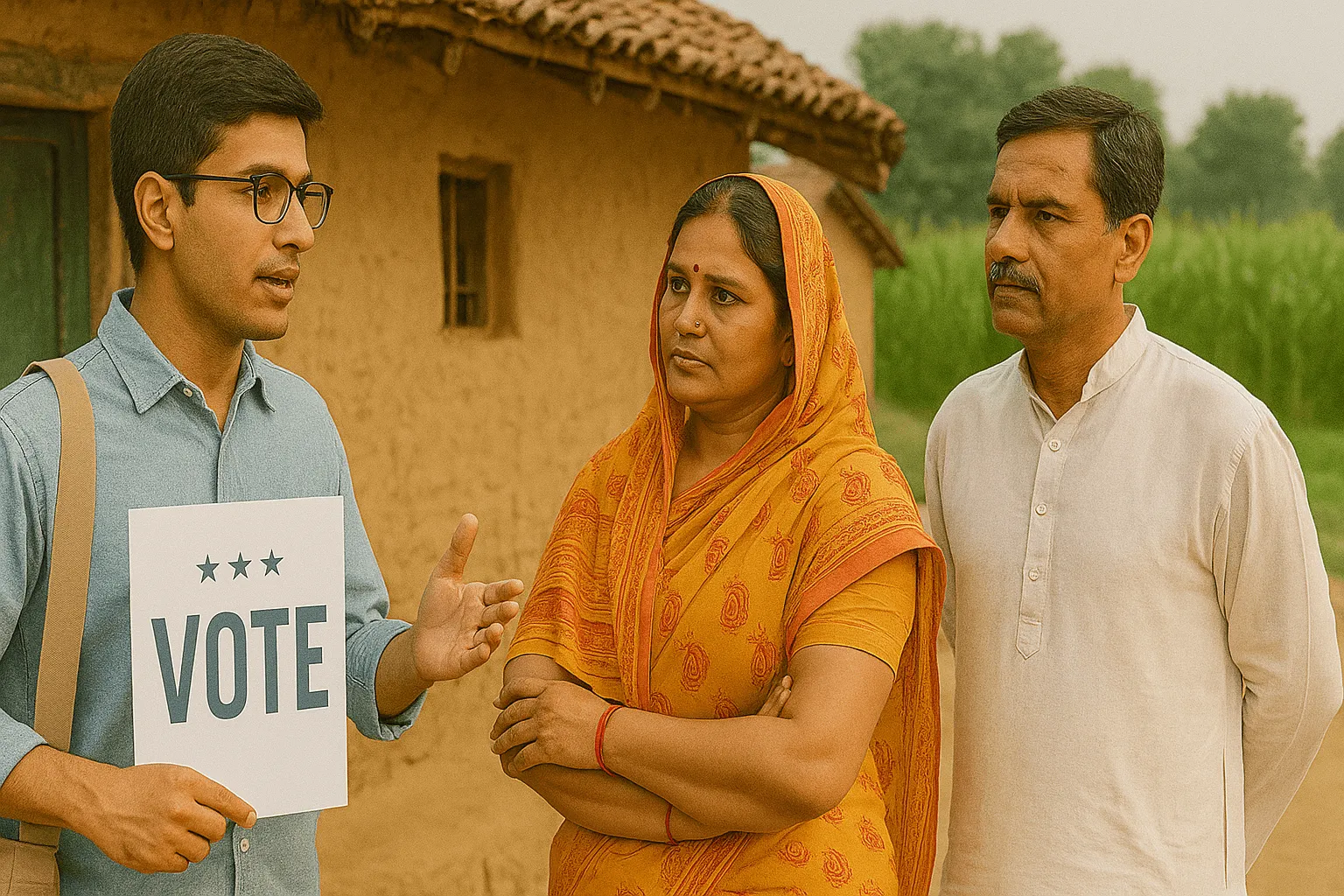
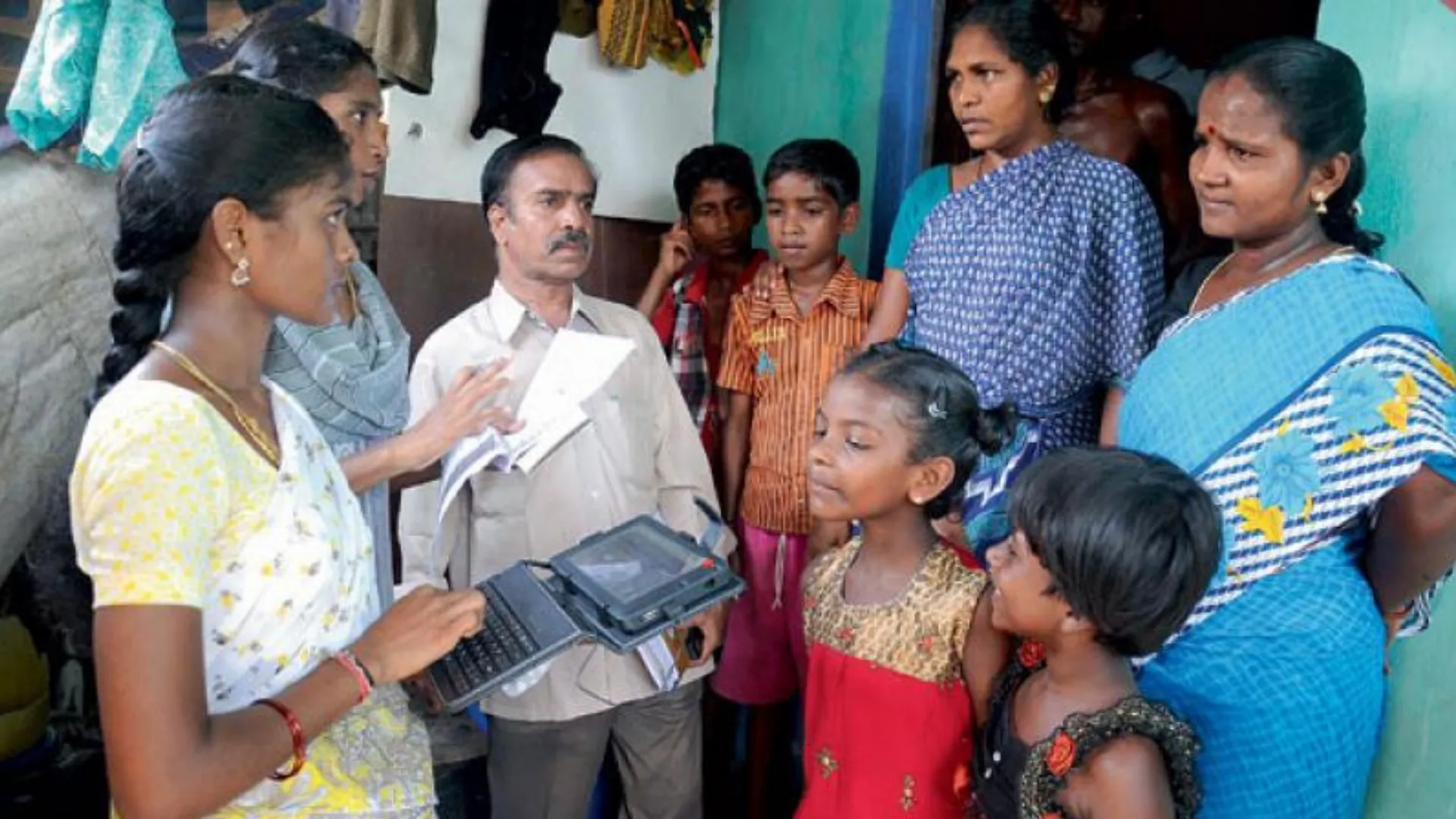
The door-to-door survey in Bihar involves visiting individuals at their homes or offices to establish a personal connection and gather data. It is conducted for various purposes, including collecting information about residents, taxation, and municipal services. For example, a political leader can determine whether the transportation authority is functioning properly, and residents can solicit the leaders about their problems. 

On the plus side, conducting a door-to-door campaign in Bihar election fosters a one-on-one relationship between parties and locals. This approach builds trust with the respondents, potentially resulting in more candid responses. 

Also, by conducting a door-to-door campaign in Bihar election, the interviewer can engage the residents with their follow-up questions and ensure prompt action. 

Opening a booth or kiosk in a community centre, grocery store, or another high-traffic area could be advantageous. This would allow the demographic to come to you before launching a door-to-door campaign in Bihar. You can frame several questions depending on the issues and points outlined in the election agenda. Personal interaction can be done online or offline, based on the convenience of the voters and the party. The result will give their viewpoints and establish trust among the locals.

Get accurate Door-to-Door Survey services. Call now! Start Today →  📞☎📞

The Significance Of the Opinion Poll Survey In Bihar Election

Opinion poll surveys are mainly conducted in Bihar to understand the psychological aspects of the territory’s residents. They gather information about human behaviour, opinions, and attitudes toward political parties during elections. However, the results of elections do not merely depend on the opinion poll survey in Bihar elections; rather, they reflect the mindset of the voters and their course of action toward the polls. Some polls give an accurate insight into election behaviours and may stage the result before its announcement. 

Components of Polling

  • Understanding Insights of the Voter
  • Effective Research Teams
  • Unbiased Representation
  • Contact & Engage Different Demographics
  • Good Wording of the Questions
  • Unbiased Polling System
  • Proper sequence and wording in the questions
  • Greater accuracy rates
  • Coordination of a seasoned team

The Election Commission has set regulations on voter registration and manages the elections in Bihar. However, by incorporating Opinion Poll Surveys in Bihar Election, leaders can simultaneously observe the changes and differences between voters’ choices and the party’s agenda while conducting political surveys.

Conclusion

Bihar has its own way of handling elections in various regions. Political factors influence Bihar’s electoral landscape, despite its demographics and image. Therefore, hiring a political consulting company in Bihar can benefit a party or an individual leader by addressing the state’s challenges with dignity and personal interactions. While some parties conduct door-to-door surveys in Bihar, they connect with the grassroots realities that inform their basic agendas. 

However, the Door-to-Door Campaign in the Bihar Election provides a blurred insight into the preferences of local voters. It should be noted that the Opinion Poll Survey in Bihar elections sometimes yields accurate results regarding the parties’ elections in Bihar.

Categories
Bihar Elections Election Campaigns Management

Political Campaigning in Bihar? Here’s What Your Competitors Are Doing

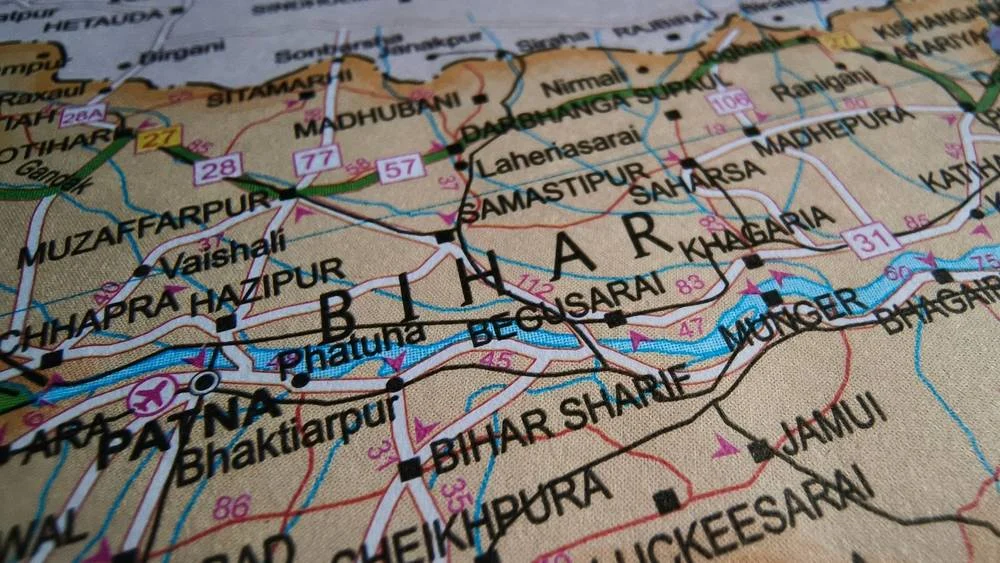
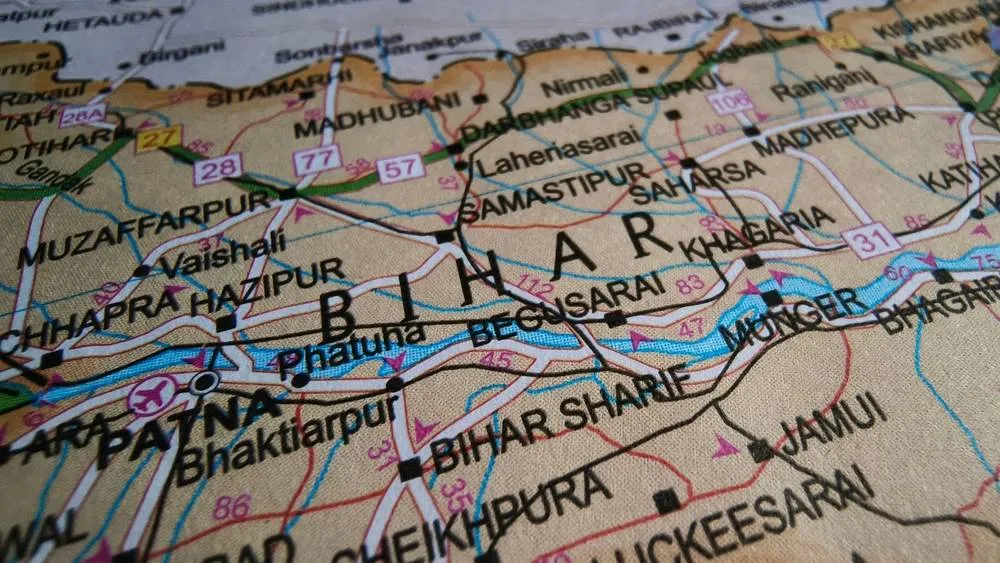
Bihar Map , Bihar Elections

The political landscape in Bihar is heating up as candidates prepare for upcoming elections. With its complex demographics and evolving voter preferences, Bihar presents unique challenges and opportunities for political campaigns. While traditional campaign methods remain important, innovative strategies are making a significant difference in reaching voters effectively. This article explores the current political scenario in Bihar and examines what successful campaigns are doing differently. If you’re planning to enter the political arena in Bihar, understanding your competitors’ strategies is essential for gaining an edge.

The Current Political Landscape in Bihar

Bihar, one of India’s most politically significant states, has seen dramatic shifts in party alliances and voter preferences in recent years. The political environment is currently dominated by two major alliances: the National Democratic Alliance (NDA) led by the Bharatiya Janata Party (BJP) and Janata Dal (United) [JD(U)], and the opposition Mahagathbandhan (Grand Alliance) consisting of Rashtriya Janata Dal (RJD), Congress, and other parties.

Chief Minister Nitish Kumar, who returned to the NDA fold in January 2024, leads the government in partnership with the BJP. This realignment has once again reshaped the state’s political dynamics. The RJD, led by Tejashwi Yadav, continues to be a formidable opposition force with strong support among certain demographic groups.

The political landscape is further complicated by smaller but influential parties like Lok Janshakti Party (Ram Vilas), led by Chirag Paswan, and Hindustani Awam Morcha of Jitan Ram Manjhi, which play crucial roles in Bihar’s coalition politics.

What Your Competitors Are Doing: Innovative Campaign Strategies

Political Survey Bihar

Comprehensive Door-to-Door Surveys in Bihar

The most successful political campaigns in Bihar are revolutionizing their approach to door-to-door engagement. No longer just about distributing pamphlets, these campaigns use sophisticated Door-to-Door Surveys in Bihar techniques to gather valuable voter data.

Campaign teams are equipped with tablets and specialized apps to record voter concerns, demographics, and political leanings. This digital approach allows for real-time data analysis and helps campaigns tailor their messages to specific neighborhoods or demographic groups.

For example, the BJP’s “Ghar Ghar BJP” campaign incorporated detailed survey mechanisms to understand voter concerns at the household level. Similarly, RJD’s grassroots outreach program used structured surveys to identify local issues that needed addressing in their campaign promises.

These door-to-door initiatives help campaigns build personal connections with voters while gathering crucial data for strategic decision-making.

Data-Driven Opinion Poll Surveys

Leading campaigns are now employing scientific Opinion Poll Survey in Bihar methods that go beyond simple voting intention questions. These sophisticated polls analyze voter attitudes on specific issues, measure candidate recognition, and identify swing voter segments.

Modern opinion polls in Bihar now incorporate:

  • Demographic-specific sampling to ensure representation across caste, religion, and economic status
  • Issue-based questioning to understand voter priorities beyond party loyalties
  • Sentiment analysis to gauge emotional responses to candidates and policies
  • Geographical targeting to identify regional differences in voter concerns

Political consulting firms working with major parties are conducting multi-wave tracking polls throughout the campaign period, allowing campaigns to adjust their messaging based on changing voter sentiments.

Innovative Social Media Management

Social Media Management in Bihar Election campaigns has evolved dramatically. Your competitors are no longer simply posting content- they’re building comprehensive digital ecosystems that engage voters across multiple platforms.

Successful campaigns in Bihar are employing strategies such as:

  • Content calendars synchronized with ground events and policy announcements
  • Platform-specific content tailored to different demographics (TikTok/Instagram for younger voters, Facebook/WhatsApp for older demographics)
  • Local language content that resonates with regional dialects and cultural nuances
  • Rapid response teams that address negative news or misinformation within hours
  • Micro-targeted advertising based on voter interests, locations, and online behaviors

The BJP’s social media campaign during recent elections demonstrated sophisticated targeting capabilities, with different messages crafted for urban and rural audiences. Meanwhile, younger leaders like Tejashwi Yadav have leveraged platforms like Instagram and Twitter to build personal connections with younger voters.

Hyper-Local Campaign Customization

The most effective campaigns recognize that Bihar’s 38 districts have distinct concerns and priorities. Rather than using a one-size-fits-all approach, sophisticated campaigns are customizing their messages and policy priorities for different regions.

For example, campaigns focus on flood management and agriculture in the northern regions bordering Nepal, while emphasizing industrial development and employment in more urbanized areas around Patna. In the Seemanchal region with its significant minority population, campaigns address specific concerns related to education and representation.

This hyper-local approach extends to candidate selection, with parties increasingly choosing candidates who can speak directly to local issues rather than relying solely on party loyalty or caste calculations.

What Makes Professional Political Consulting Services in Bihar Essential

The increasing complexity of Bihar’s political landscape has made professional Political Consulting services in Bihar more valuable than ever. Campaigns relying on traditional approaches without data-driven strategies find themselves at a significant disadvantage.

Professional political consultants bring expertise in:

  • Voter Segmentation and Targeting: Using demographic data and voter behavior analysis to identify key voter segments and develop targeted outreach.
  • Message Development and Testing: Creating campaign messages that resonate with specific voter groups and testing their effectiveness before full deployment.
  • Ground Operations Management: Organizing efficient canvassing, volunteer mobilization, and get-out-the-vote operations.
  • Crisis Communication: Preparing for and managing unexpected campaign challenges or negative publicity.
  • Digital Campaign Integration: Ensuring consistency between digital messaging and ground campaign activities.

Campaigns working with established political consulting firms report more efficient resource allocation and improved ability to respond to changing political circumstances.

The Technology Revolution in Bihar Campaigns

Bihar Election - Technology

Technological innovation is transforming political campaigning in Bihar. Your competitors are increasingly employing:

Mobile-First Voter Outreach

With smartphone penetration growing dramatically in Bihar, campaigns are developing mobile apps that allow voters to:

  • Register for campaign updates
  • Report local issues that need addressing
  • Register as volunteers
  • Access candidate information and policy positions

These apps collect valuable data while providing a direct channel to communicate with supportive voters.

GIS-Enabled Campaign Planning

Geographic Information Systems (GIS) technology allows campaigns to map voter demographics, previous election results, and economic indicators at very granular levels. This enables:

  • Strategic placement of campaign offices
  • Efficient routing for canvassing teams
  • Identification of high-priority precincts for Get-Out-The-Vote efforts
  • Correlation between local issues and voting patterns

The most sophisticated campaigns in Bihar are using these tools to make data-driven decisions about resource allocation.

AI and Predictive Analytics

Artificial intelligence and machine learning are helping campaigns predict voter behavior and identify persuadable voters. These technologies analyze patterns from previous elections, current survey data, and demographic information to:

  • Score voters based on their likelihood to support a candidate
  • Identify which issues are most likely to motivate specific voter segments
  • Predict turnout challenges in specific areas
  • Optimize campaign messaging for different audiences

Building a Winning Campaign Strategy in Bihar

To compete effectively in Bihar’s complex political environment, campaigns need comprehensive strategies that combine traditional outreach with modern techniques. Here’s what a winning approach includes:

Deep Cultural Understanding

Successful campaigns demonstrate genuine understanding and respect for Bihar’s diverse cultural landscape. This includes:

  • Acknowledging the state’s rich historical legacy
  • Respecting the various linguistic traditions across regions
  • Understanding the complex social structures that influence voter identity
  • Recognizing religious sensitivities and traditions

Campaigns that authentically connect with these cultural elements build stronger voter relationships than those relying solely on party symbols or national narratives.

Coalition-Building Expertise

Given Bihar’s fragmented political landscape, the ability to build and maintain effective coalitions is crucial. This requires:

  • Identifying compatible political partners
  • Negotiating seat-sharing arrangements that respect each party’s strengths
  • Creating messaging that appeals across coalition partners’ constituencies
  • Managing potential conflicts between alliance members

The most successful political leaders in Bihar have demonstrated remarkable skill in navigating these complex coalition dynamics.

Rural-Urban Bridge Strategies

While much of Bihar remains rural, urban centers are growing in importance. Effective campaigns develop messaging that resonates in both contexts through:

  • Economic proposals that address both agricultural and urban employment concerns
  • Infrastructure plans that connect rural areas to economic opportunities
  • Education policies that prepare students for both traditional and emerging sectors
  • Healthcare proposals that address the different challenges faced in rural and urban settings

The Final Word

The political landscape in Bihar continues to evolve rapidly. Campaigns that combine deep local knowledge with sophisticated modern techniques will have the greatest chance of success. Professional Political Consulting services in Bihar have become essential for campaigns seeking to navigate this complex environment effectively.

The most successful political campaigns in Bihar recognize that winning requires both art and science- the art of connecting authentically with voters and the science of using data to make strategic decisions. By understanding what your competitors are doing and adapting these insights to your own campaign, you can position yourself effectively in Bihar’s dynamic political arena.

For parties and candidates looking to make an impact in Bihar’s political landscape, partnering with experienced political consultants like Leadtech provides the expertise and tools needed to campaign effectively in this challenging environment. With comprehensive services covering everything from Door-to-Door Survey in Bihar to sophisticated Social Media Management in Bihar Election campaigns, professional consultants help campaigns maximize their impact and connect meaningfully with voters.

Start Today →  📞☎📞 

Categories
Political research Political Survey services Voters

Can Political Surveys Change Public Opinion or Just Measure It?

Can Political Surveys Change Public Opinion

Political surveys are powerful tools that help us understand public sentiment, especially during elections. As elections become increasingly data-driven, the role of a survey company in India has gained prominence. But can these surveys do more than just measure public opinion? Can they influence or even change the way people think and vote? This is an important question, and understanding the impact of political surveys requires us to look at both the way they function and the broader context in which they operate.

The Role of a Survey Company in India

In India, survey companies are responsible for conducting various types of surveys, including election survey campaigns, opinion polls, and door-to-door surveys. These surveys are designed to gather insights into how people feel about political parties, candidates, policies, and even election issues. With the rise of digital tools, some surveys are conducted online, while traditional methods like door-to-door surveys remain essential, especially in rural areas where internet penetration is low.

Survey companies in India utilize sophisticated tools to collect data, analyze patterns, and generate reports that are shared with political parties, the media, and the public. The primary goal is to measure public opinion, which helps political strategists gauge support levels and craft campaigns.

But is that all these surveys do? Can they influence people’s decisions, or are they simply a reflection of existing opinions? Let’s dive deeper.

Measuring Public Opinion: The Basic Function of Political Surveys

The most common purpose of an election survey campaign is to measure public opinion. In an election campaign, for example, political parties often commission surveys to understand which way the voters are leaning. The data from these surveys helps identify the key issues that matter most to the electorate, which can shape campaign messaging.

For instance, a door-to-door survey might involve canvassing households to ask people about their opinions on candidates or policies. This process helps survey companies collect a wide range of data, including demographic information, voting patterns, and preferences. It’s a direct way to tap into the thoughts of voters and predict how an election might unfold.

However, it’s important to note that these surveys do not directly change public opinion. They simply reflect it at a particular moment in time. Political surveys give political parties insights into what the electorate is thinking, but they don’t alter those thoughts. At least, not directly.

The Power of Political Surveys in Shaping Campaigns

Power of Political Surveys in Shaping Campaigns

While surveys might not directly change public opinion, they do have the potential to influence how political campaigns are run. The data collected by a survey company can significantly shape the direction of political campaigns.

For instance, if a survey reveals that a large number of voters are concerned about unemployment, a political party might tailor its messaging to focus on job creation. This type of response to survey data can indirectly shape public opinion by highlighting specific issues.

In some cases, political surveys can even play a role in setting the agenda for media coverage. If a survey shows a candidate gaining ground in a particular state, the media might start covering that candidate more heavily, which can influence public perception. This cycle of feedback can, in turn, impact how voters think about a particular candidate or party.

However, the ability of a political survey to shift public opinion directly remains debatable. Surveys are a reflection of the present, not a tool that directly manipulates what people believe.

Do Political Surveys Create a Bandwagon Effect?

There is a phenomenon called the bandwagon effect, where people may change their views based on the belief that others are supporting a particular candidate or party. If a survey indicates that a certain party or candidate is leading, some voters might shift their support toward that candidate simply because they want to be on the “winning side.” This is one area where surveys might influence public opinion to some extent. The findings from the NES 2014 data clearly identifies a bandwagon effect in Indian elections, as 43% of the electorate seem to go with the Direction of Election Wind (hawa), while 45% voted on their own volition, without any consideration for who was ahead in the election race (Source: Demystifying the Bandwagon Effect of Opinion Poll Survey in India, Praveen Rai, Researchgate).

Election surveys, especially when shared widely in the media, can sometimes spark this effect. If voters see a particular candidate is gaining traction, they might decide to back that candidate to avoid “wasting” their vote. It’s an example of how surveys, by simply showing which candidate is leading, might influence the choices of undecided voters or those who want to align with the majority.

Ethical Concerns and the Impact of Survey Results on Voting Behavior

Despite their ability to influence the way campaigns are conducted, political surveys can also be subject to ethical concerns. When surveys are released too early in an election cycle, they can create biases and influence how voters approach the election. This becomes particularly important in election survey campaigns where the timing and framing of survey results can affect voter behavior. A survey showing a party leading by a large margin might discourage supporters of rival parties, who may feel their vote won’t matter.

Similarly, if surveys are perceived as inaccurate or biased, they can lead to a loss of trust among the electorate. In countries like India, where political affiliations are deeply rooted, the credibility of survey results plays a critical role in shaping their impact.

Can Political Surveys Truly Change Public Opinion?

While political surveys can indirectly influence public opinion through media coverage, campaign strategies, and the bandwagon effect, their primary role is still to measure existing sentiment. Surveys are a snapshot of how people feel at a particular moment in time. They provide political parties, media, and the public with an understanding of the electorate’s views, but they don’t inherently change those views.

However, survey companies in India like Leadtech do play an essential role in providing the data that helps shape political discourse. They offer valuable insights into voter behavior, issues that matter most to the public, and how people are likely to vote. Political surveys can certainly influence the political conversation, but they don’t directly create the opinions they measure.

Change in Public Opinion for Election

Start Your Political Survey Now! →  📞☎📞

Conclusion

In conclusion, political surveys in India are powerful tools for understanding public opinion. A survey company in India can measure how voters feel about a candidate or a policy, which can help shape political campaigns and media coverage. However, the idea that surveys can change public opinion is more nuanced. While surveys might trigger shifts in behavior- like the bandwagon effect- they are still largely a reflection of the views that already exist.

As the use of political surveys continues to grow, especially in the context of elections and door-to-door surveys, the role of these surveys in shaping political strategies will only become more significant. But at their core, political surveys are most effective when they serve as a mirror, not a mold, of public opinion.


Categories
Election Political Survey Questions Voters

Top Political Survey Questions You Need to Ask

A political survey consists of questions aimed at understanding potential voters’ beliefs and opinions. These questions are valuable for political action committees, consultants, city council members, government agencies, and candidates as they work to align their agendas with the needs and preferences of constituents. 

Typically, the questions address pressing issues, allowing politicians to fine-tune their marketing messages and boost their popularity in the political arena. Below are some of the most effective political survey questions to incorporate into your polls to gain valuable insights into your audience.

Political Survey Questions Popular in 2025

Many local survey questions pertain to your town, city, and state, but we have compiled the top questions that share common concerns on a national scale.

Why Did you Choose your Current Political Affiliation?

By asking this question in the political survey campaign you get the answer that will provide valuable insight into why a voter chooses a particular political affiliation over the others. If the political party or candidate can offer something alike or better to the constituents, they may consider jumping ships. This can play a deciding role in the result of the midterm elections in 2025.

Where do you find your Political News?  

This inquiry is central to understanding what a campaign aims to achieve. It reveals a person’s political stance and can influence how an Election survey campaign allocates its advertising budget. 

Are your supporters primarily consuming news through television? Engaging on social media? This insight can be extremely beneficial for a campaign.

What Makes You Most Likely to Get Out and Vote in an Election?

Getting out to vote depends on the motivation a voter receives. To get people to the polls, you need to understand what encourages them. 

Some people vote in every election, but for the ones who vote sometimes, knowing what got them out to cast a ballot can make a significant difference to a campaign’s strategy. 

Is it a particular issue? A particular type of candidate? Tailoring your message begins with knowing what people are looking for.

How Likely are you to Participate in the 2025 Elections? 

Once again, the overall percentage of responses from various constituencies will help political campaigns identify the areas and voters that warrant their attention. 

If a certain area shows high voter turnout and those voters usually support your party, you can be assured that you don’t need to concentrate your efforts there. 

Conversely, if the voters in that area lean against your party, you’ll need to evaluate whether it’s worth attempting to change their minds or if it’s better to redirect your efforts to a different area.

What are the Biggest Political Issues?

When doing a door-to-door survey, you will get to know what issues the public faces. While some big issues are common throughout the country, there are some specific to your region or city. 

Including an open-ended question in your political survey can give you a wide range of answers on what the voters believe to be the main issues. This information can help political campaigns align their manifesto by answering the most normally raised concerns.

Conclusion

The political survey is all about going out and making your efforts to know what the citizens of India really want.

As a candidate who wants to win the election campaign in 2025, you must know the responsibilities that you have to the public. So go out there and start asking questions regarding the issues that your votes are currently facing and help them to solve them.

Start Your Political Survey Now! → 📞☎📞 

Categories
Election Jan Sampark Leadtech Services services Voters

Power of Jan Sampark: Why Continuous Voter Engagement Matters

In the ever-changing landscape of politics, one truth remains constant: voters are not to be taken for
granted. Their opinions are fluid, their preferences can shift in the blink of an eye, and a change in
circumstances can alter their decision-making process. This makes it essential for political leaders and
parties to keep a close, ongoing relationship with their voters. A concept that has emerged as an effective
means of voter engagement is Jan Sampark – a campaign model that emphasizes direct communication,
frequent interactions, and timely responsiveness.

The Importance of Jan Sampark

Jan Sampark, meaning “people’s contact,” isn’t just about leaders showing up for rallies or events during
election time. It’s about creating a lasting, genuine connection with the people you represent. Leaders
who invest in consistent, personal contact with voters are more likely to understand their concerns,
address their grievances, and remain relevant when election time comes around.
Voters are increasingly aware of the world around them. They are no longer solely swayed by grand
speeches or flashy rallies. In fact, their loyalty can shift unexpectedly, even with a slight change in the
political environment. Therefore, building and maintaining a rapport with voters is key to securing their
support, especially in an age where trust is constantly in flux.

Beyond Traditional Campaigns

Traditionally, campaigns were heavily reliant on face-to-face interactions. However, in today’s digital
age, Jan Sampark can extend beyond physical presence. Imagine a situation where a leader may not
physically show up at every event or in every local area. Instead, party workers and volunteers continue
to maintain contact with voters. These individuals become the link between the leader and the people,
offering a consistent reminder that the leader is present, listening, and engaged with their concerns.
This ongoing engagement is more than just a series of handshakes or photo ops. It creates a sense of
reliability and trust, where voters can easily reach out to their leaders when needed. It shows that the
leader is not just visible during election time, but is a consistent presence in the lives of those they
represent.

Social Media: A Leader’s Virtual Presence

In the modern world, social media has become an extension of a political leader’s presence. Platforms
like Twitter, Facebook, and Instagram are no longer just tools for announcements; they are a reflection
of the leader’s views, actions, and ongoing mission. A well-maintained social media page allows leaders
to connect with their audience in real-time, share their ideas, engage in meaningful dialogues, and
respond to the concerns of voters quickly.

For voters, social media is often the quickest and most direct way to know what their leaders are up to.
Whether it’s posting updates about the leader’s visits to different regions, sharing their personal views
on critical issues, or showcasing initiatives that benefit the community, social media platforms allow
voters to stay informed.

But it’s not just about broadcasting messages. Social media creates an interactive space for voters to
engage with leaders, ask questions, and voice concerns. This dynamic creates a sense of accessibility,
as voters feel that their leaders are within reach.

Why This Matters: Keeping Voters Engaged and Informed

In a fast-paced world filled with distractions, maintaining a strong connection with voters requires
persistence, creativity, and consistency. By embracing Jan Sampark, political leaders not only foster a
more engaged electorate but also ensure that their leadership remains relevant over time. Voters
appreciate the personal connection, and this strengthens their trust and loyalty.

Through constant engagement—whether through local campaigns or virtual platforms—leaders can
shape a more informed, empowered, and committed voter base. And when the time comes for elections,
the relationship that has been built through these ongoing interactions will be invaluable.

So, while it may seem tempting to focus solely on the grand spectacle of traditional campaigns,
remember that the real work happens in the day-to-day contact with voters. By staying close to the
people, understanding their grievances, and consistently making them feel heard, political leaders can
ensure their influence and support remain strong, not just for elections, but for the long-term.

Conclusion

In the end, Jan Sampark is not just about connecting with voters during election time—it’s about creating
a relationship that lasts. When leaders show up consistently, both physically and virtually, and maintain
an open line of communication, they not only ensure they are seen but also that they are heard. Voters
want to feel acknowledged, supported, and connected to their leaders. By prioritizing this ongoing
engagement, political leaders can build trust, loyalty, and a foundation for long-term success.

Categories
Election Leadtech Services services

Complete Election Campaign Management: Things To Know About

In today’s world, election campaigns have transformed. They are more than just political rallies, road shows and to use of loudspeakers for sloganeering. Modern technologies and analytics that gauge voter satisfaction and mood and use that information to boost polling are used to Complete Election campaign management. In this article, let us discuss what are election campaigns and why you need them. 

Defining Election Campaigns

Complete Election campaign management is how candidates and political parties prepare and present their ideas and positions on issues to the voters in the period preceding election day. 

If you are a contestant, you will have to use a lot of techniques so you can reach your voters and be able to deliver your messages, which includes traditional and new media, written materials, public events, or by other means necessary. 

Some country’s contestants allocate public media or space for these reasons (which are considered indirect public campaign financing). 

The dates of an official election campaign period are usually legally defined as it takes up to a month or even more so leading to the election day. In other several countries, the campaigning legal window ends a day or two before election day, giving a “black-out period” instantly before voting starts. Both parties and candidates establish physical premises from where they can carry out campaign activities and overall operations. 

Why are Election Campaigns Important?

When talking about Political campaign management, democratic elections need informed and free voting and a fair chance for contestants to win support and inspire supporters to assist them gain office. Complete election campaign management is essential in achieving those tasks. 

If you are participating in the elections, just remember they can be genuinely competitive. They will offer you an equal chance to convey your position to citizens and compete for votes. 

Political parties and candidates can get opportunities through election campaigns to present messages to citizens, which will help voters make informed and educated choices on election day. 

To assure an even playing field and an election that ultimately reflects the will of citizens, any public resources allocated to election contenders must be fair. 

Decision-making procedures should be transparent on how those resources are allocated, so contestants and the broader public can comprehend and trust the results. 

Once you get access to data related to election campaigns, which includes the official campaign window and public resource allocations, you can design your campaign activities and comprehend what they are entitled to. 

Having access to information on election campaigns enables contestants and civil society to explore where candidates have access equally to the public campaign resources offered in a given context like media or space for rallies events. 

Where public media is allocated to contestants, then parties, candidates, and citizens can consider whether the allocation process is credible and whether the resulting allocations are equitable.

Even in contexts in which there is no allocation of public resources for campaigns, contestants and civil society can examine whether there was any biased or unfair treatment in how contestants were enabled to conduct their operations. 

This can also include whether party offices were given permission to operate, or whether permits were distributed in an unbiased manner for rallies or other campaign events. Transparency in these areas raises confidence in the election process on the part of contestants and voters and may serve to shed light on any unfair practices or potential abuses of state power where they exist.

Conclusion

By knowing complete election campaign management.  Whether you are from a participating side or political party, you should know what you are doing. Elections in 2025 be a game-changer for you. So it is time you start working towards How to win election. 

Categories
Assembly Election Election

Who Will Rule Delhi- The Battle for the Capital

Who Will Rule Delhi- The Battle for the Capital

The much-anticipated Delhi Assembly elections are just around the corner scheduled for February 2025. The political landscape of Delhi will be interesting to observe as much has transpired over the past four years. After 10 years in power, the Aam Aadmi Party (AAP) is facing backlash due to corruption allegations that include the liquor scam, the Swati Maliwal controversy, and investigations by the Enforcement Directorate and CBI on senior AAP leaders like Arvind Kejriwal, Manish Sisodia, and Sanjay Singh. Additionally, public discontent has emerged around key issues like pollution, stagnation of public transport and infrastructure, and cleanliness of the Yamuna River. Meanwhile the Bhartiya Janta Party will try to increase their seats in the Delhi Assembly and increase their influence in the capital. The congress will try to revive itself in the region as they were wiped out in the previous elections.

Uphill Battle for AAP

The Aam Aadmi Party emerged from the anti-corruption movement in the early 2010s, led by Anna Hazare. AAP contested its first election in 2013 but lost power within 50 days. After re-elections in 2015, they secured an overwhelming majority in both 2015 and 2020, winning more than 60 seats in each election. However, the party has faced scrutiny over the last four years due to various corruption allegations. Beginning with the liquor scam, Senior AAP leaders, including Arvind Kejriwal, were accused of favouring certain business entities in exchange for bribes for securing licence to sell alcohol. The Enforcement Directorate claimed that kickbacks exceeding ₹100 crores were paid during the policy formulation and that these funds were later used in the Punjab and Goa assembly elections.

Another setback occurred before the 2024 Lok Sabha election when a Rajya Sabha MP of the party, Swati Maliwal, accused Arvind Kejriwal’s PA of physical assault at Kejriwal’s residence. The party faced heavy criticism as its leaders expressed contradicting views on the matter. AAP has also been criticized for its failure to clean the Yamuna River. These issues highlight vulnerabilities in the party’s leadership. Moreover, Kejriwal’s resignation and the appointment of Atishi Marlena as interim Chief Minister signalled an internal upheaval.

Another challenge for AAP will be their I.N.D.I.A alliance partner- the Congress as there will be no alliance between the parties. A senior AAP leader said that “”Unlike Lok Sabha polls, where the alliance was the need of the hour to prevent the splitting of votes, AAP does not need any support from Congress in state elections”. However, with the voter discontent, this can lead to a split in votes which will hamper their performance.

BJP’s Rising Confidence

The Bhartiya Janata Party (BJP), which is the main opposition in Delhi Assembly, is determined to challenge AAP and the Congress. Their success in the 2024 general elections, where they won all seven seats in Delhi, has boosted their confidence. The BJP has shifted its focus to local issues, such as water shortages, pollution, and the deteriorating transportation system. This strategy marks a departure from solely relying on national leadership charisma, such as that of PM Modi. Emerging local leaders like Adesh Gupta, Kapil Mishra, and Devinder Kumar Sherawat could play crucial roles in the upcoming elections.

As the Assembly elections are near, the BJP is considering former mayors, ex-NDMC members and Delhi unit presidents for candidacy in AAP-held constituencies. According to sources, potential contenders include former MPs like Parvesh Verma, Meenakshi Lekhi, and Ramesh Bidhuri, former NDMC chairperson Satish Upadhyay and ex-mayor Arti Mehra. A party insider also hinted that two former MP’s and a senior NDMC (New Delhi Municipal Council) member are in contention to fight from the New Delhi seat represented by AAP convenor Arvind Kejriwal as well as the Greater Kailash seat which AAP minister Saurabh Bharadwaj represents (Source- Indian Express). This strategy focuses on leveraging experienced local leaders to contest against the current AAP representatives.

End of AAP’s Dominance?

The 2025 assembly polls will test AAP’s ability to maintain dominance after being in power for a decade. In the 2020 assembly polls, the party won 62 out of 70 seats and relied on its core voter base, including lower-income groups and minority communities. However, there is a possibility of losing support from urban middle-class voters and youth as they are frustrated with the “freebie culture” which is taking a toll on their incomes.

Furthermore, the capital is facing a financial crisis for the first time in 30 years, with the 2024-2025 budget predicting a deficit of ₹1,495.48 crores. The lack of sympathy for Kejriwal was evident during the general elections when the AAP-Congress alliance lost all seats in Delhi. These factors could potentially end AAP’s dominance in the assembly.

Expectations from the Elections

While political experts will give an edge to the BJP, voting patterns in Delhi continue to be unpredictable. Although Delhi voters tend to favour the BJP during general elections, they have chosen AAP over both BJP and Congress for local issues. This trend was evident in the 2020 Delhi Assembly election and the 2022 MCD polls, where AAP won 134 out of 250 seats. While AAP may lose its overwhelming majority, it remains a strong contender to retain power in the capital.