
Categories
Political Survey

Why Choosing the Right Survey Company in India Matters

Best Survey Company in India

In a country as vibrant and diverse as India, understanding your audience is like navigating a bustling marketplace—exciting, complex, and full of potential. Whether you’re launching a new product, refining a marketing strategy, or shaping public policy, surveys are your compass, guiding you through the chaos to uncover what people truly think. But here’s the thing: not all survey companies are created equal. Picking the right one can transform your project, delivering insights that drive success, while the wrong choice can lead to wasted time, money, and opportunities. Let’s explore why selecting the right survey company in India is a decision that can make a big difference, with a human touch to help you see why it matters.

The Indian Market: A Mosaic of Diversity

India’s 1.4 billion people speak 22 official languages, celebrate countless festivals, and live in settings ranging from skyscraper-studded metros to quiet rural hamlets. Every region has its own customs, tastes, and priorities—what works in one city might flop in another. Surveys are your tool to decode this diversity, offering a window into consumer behavior, public opinion, or market trends. But to get it right, you need a survey company that doesn’t just collect data—it understands the pulse of India’s varied communities.

A poorly chosen survey company can miss these nuances, delivering results that are off-target or incomplete. The right company, however, turns India’s complexity into an advantage, providing insights that are as rich and varied as the country itself. So, what sets a great survey company apart? Let’s dive into the key factors.

Why the Right Survey Company Makes a Difference

1. Navigating Cultural and Linguistic Nuances
India’s cultural landscape is a tapestry of traditions and languages. A survey that resonates in one region might fall flat in another if it doesn’t account for local context. The right survey company knows how to craft questions that reflect regional languages, customs, and sensitivities. They’ll use the appropriate language for different audiences, ensure questions align with cultural norms, and avoid missteps during sensitive periods like festivals. This
cultural fluency ensures responses are genuine and relevant, giving you a true picture of your audience.

2. Mastering Survey Methodology
Designing a survey is both a science and an art. It’s not just about asking questions—it’s about asking the right questions in the right way. A professional survey company brings expertise in methodology, choosing the best approach—whether quantitative surveys for broad data or qualitative focus groups for deeper insights. In India, where internet access varies widely, they know when to use online surveys, phone interviews, or in-person
methods. They also ensure a balanced sample, capturing voices from urban centers and rural areas alike, to avoid skewed results. This rigor turns raw data into insights you can trust.

Elections are won with strategy, not guesses. Talk to our survey experts today and get insights that lead to victory! Call Now!

3. Leveraging Technology for Efficiency

In 2025, technology is a game-changer for surveys. The right survey company uses advanced tools to collect, analyze, and present data quickly and accurately. From mobile-friendly surveys that reach smartphone users to AI-driven analytics that spot trends in multilingual responses, technology enhances the quality of insights. A good company ensures their platforms are accessible, supporting multiple languages and user-friendly interfaces, making
it easy for respondents across India to participate. This tech-savvy approach delivers results that are both timely and precise.

4. Ensuring Data Accuracy and Integrity
Trust is the foundation of any survey. Respondents need to feel confident that their answers are valued and protected, while clients need data they can rely on. A reputable survey company prioritizes accuracy, using trained interviewers, rigorous quality checks, and secure data handling. They follow ethical standards, ensuring confidentiality and minimizing errors through techniques like random sampling and audits. This commitment to integrity builds trust with both respondents and clients, resulting in data that reflects reality.

5. Delivering Actionable Insights
Data is only as good as the decisions it inspires. The best survey companies don’t just hand over numbers—they provide clear, actionable insights tailored to your goals. Through detailed reports, visualizations, and recommendations, they help you understand what the data means and how to use it. Whether you’re tweaking a product, targeting a new audience, or shaping a campaign, these insights empower you to act with confidence.

How to Choose the Right Survey Company in India

Finding the right survey company doesn’t have to be daunting. Here are practical steps to guide your decision:

1. Evaluate Their Experience: Look for a company with a proven track record in your sector, whether it’s consumer goods, healthcare, or public policy. Ask for examples of past projects to assess their expertise.

2. Check Cultural Competence: Ensure they can navigate India’s diversity. Do they offer multilingual surveys? Can they reach both urban and rural audiences? A company with pan-India capabilities is key.

3. Assess Technology: Inquire about their tools—do they use mobile apps, AI analytics, or real-time reporting? Ensure their platforms are accessible and efficient.

4. Verify Ethical Practices: Confirm they adhere to global standards, with clear policies on data privacy and accuracy. Transparency is a good sign of reliability.

5. Seek Customization: Choose a company that tailors surveys to your needs, avoiding generic templates that miss the mark.

6. Balance Cost and Value: While budget matters, prioritize value over the cheapest option. Compare quotes to find a company that delivers quality within your means.

7. Connect Personally: Reach out to discuss your project. Their responsiveness and understanding of your goals reflect their commitment to your success.

The Human Impact of the Right Choice

Choosing the right survey company isn’t just about data—it’s about unlocking possibilities. Imagine a small business owner who discovers why customers aren’t returning, thanks to a well-designed survey, and turns things around. Or a policymaker who uses accurate insights to address community needs, making a real difference. These outcomes start with a survey company that listens, understands, and delivers.

On the flip side, the wrong choice can be a setback. It’s the frustration of realizing your budget was spent on unusable data or the missed chance to connect with your audience. In India’s fast-moving market, where every decision counts, the right survey company is your partner in navigating the noise and finding clarity.

Conclusion: Your Path to Better Insights

In India’s dynamic landscape, surveys are more than a tool—they’re a bridge to understanding your audience. But their success hinges on the company you choose. The right survey company in India brings cultural insight, methodological expertise, cutting-edge technology, and a commitment to accuracy, turning data into decisions that drive impact. The wrong one risks your resources, reputation, and opportunities.

As you plan your next project, take the time to choose wisely. Look for a partner who sees India’s diversity as an opportunity, not a challenge, and who’s as invested in your success as you are. Because in a country as vibrant as India, the right survey company doesn’t just make a difference—it makes all the difference.
Categories
About Leadtech Assembly Election Complete Political PR management Election Election News Election PR Management Election Results Indian political news

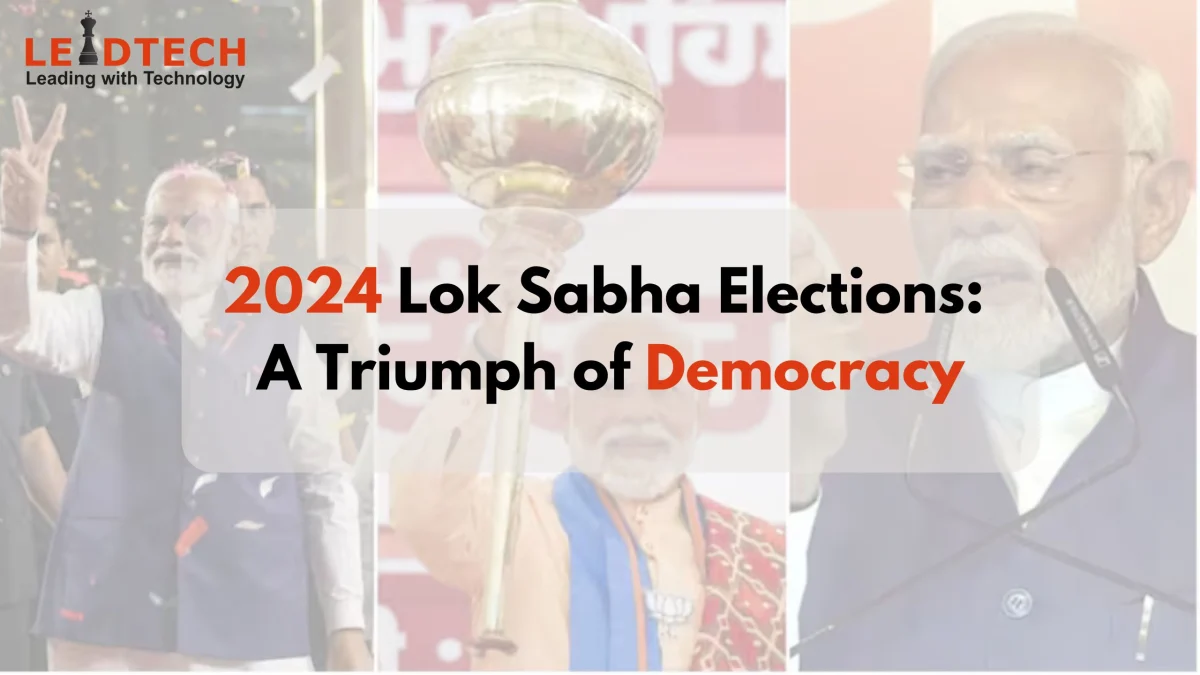
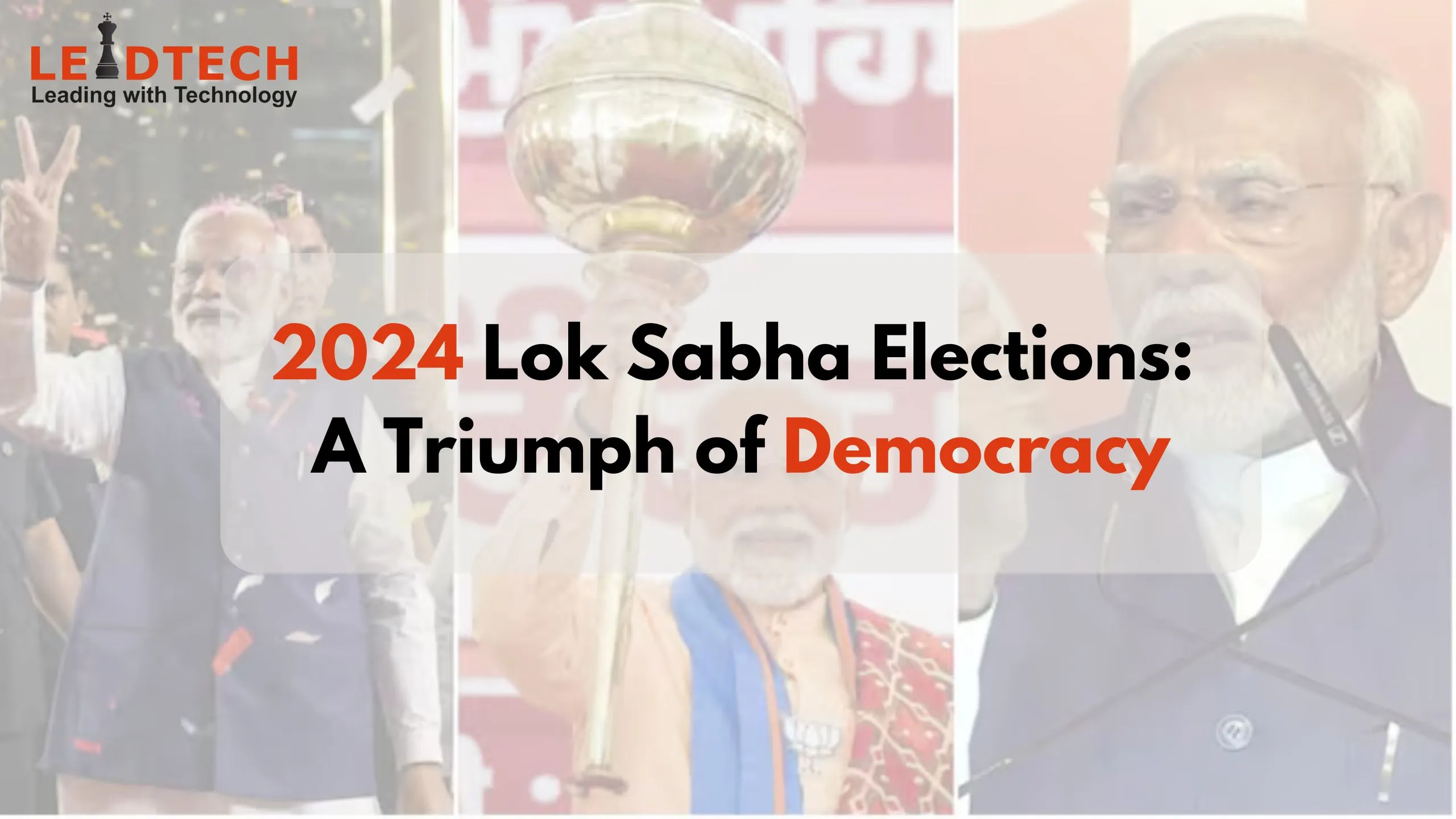
2024 Lok Sabha Elections: A Triumph of Democracy

2024 Lok Sabha Elections: A Triumph of Democracy

India, known as the world’s biggest democracy, recently held its biggest event – the Lok Sabha elections in 2024. These elections were like a thrilling movie with lots of unexpected twists and turns. On June 4th, 2024, everyone eagerly waited, glued to their seats, to see what would happen next.

543 Seats up for Grabs in Lok Sabha

There were 543 seats up for grabs in the Lok Sabha, where the people of India directly chose their leaders. The ruling Bhartiya Janata Party (BJP) won the most seats, getting 240 in total. But they didn’t have an easy time winning. The Indian National Congress (INC), which has been around for a long time, also did well. They won 99 seats and became the main opposition party again. This was a big deal for them and showed that they still have a strong presence in Indian politics.

Different regions of India also had their own winners. In Uttar Pradesh, the Samajwadi Party (SP) won 37 seats, while in West Bengal, the All India Trinamul Congress (TMC) won 29 seats. The Janata Dal (United) got 12 seats in Bihar, and the Shiv Sena (UBT) in Maharashtra also won 9 seats.

Regional Dynamics and Diverse Political Representation in the 2024 Lok Sabha Elections

In South the Telugu Desam Party (TDP) in Andhra Pradesh got 16 seats, the Dravida Munnetra Kazhagam (DMK) won 22 seats in Tamil Nadu showing their popularity in the region. Even smaller parties like the Lok Janshakti Party (LJP) and Left parties like CPI(M), CPI, and CPI(ML) Liberation got 5,4,2,2 seats respectively, adding to the diversity of voices in the Lok Sabha.

When all the votes were counted, the National Democratic Alliance (NDA) got the most seats overall, with 293 in total, INDIA is at 232 seats and Others in 18 seats. But in Indian politics, things can change quickly, so nothing is set in stone.

Now, everyone is waiting to see what will happen next on June 8th when the new government will be formed. The drama of Indian politics is far from over, and we’ll have to wait and see what twists and turns lie ahead. But one thing is for sure – democracy in India is strong and will continue to thrive, driven by the voices of its people.

Categories
About Leadtech Political research

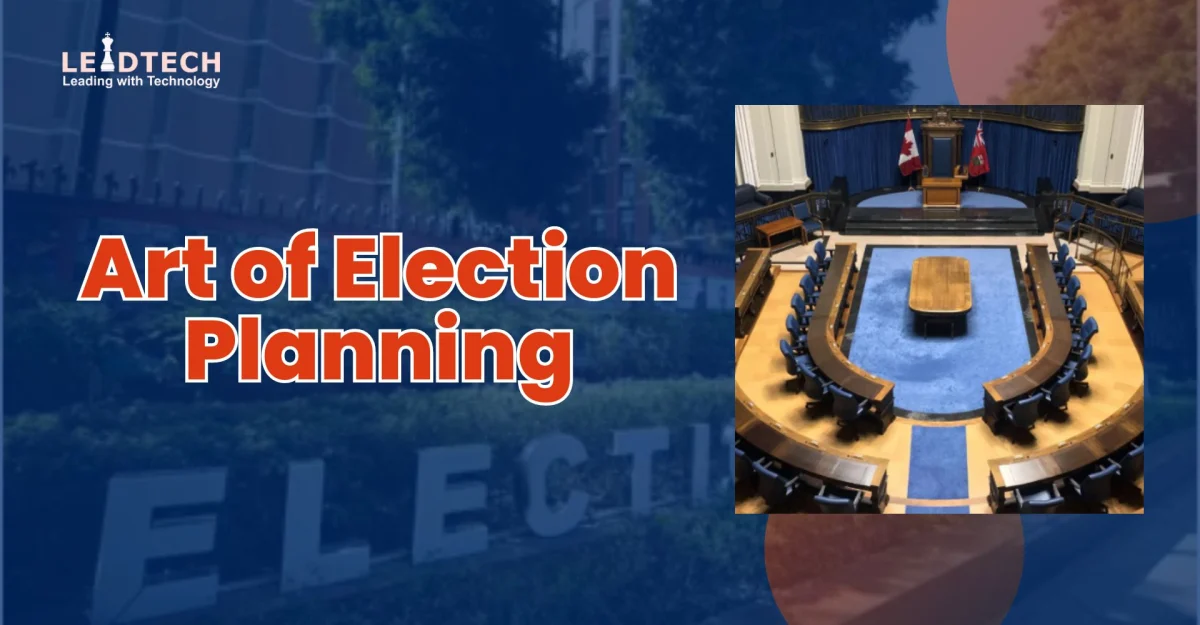
Political Consultancy- The Art of Election Planning

India, one of the biggest democracies in the world, faces its test of democracy every year in the form of elections. The election season is the time when citizens, decide the future of the state in particular and the country as a whole. Elections resemble a delicate chess game, where a single moment of oversight can result in defeat. Politicians avoid the risk of any lapse, as even a minute can sway the outcome. The long exercise of elections includes various dynamics and there are different stakeholders that successfully execute this comprehensive exercise. One of the crucial dynamics, of the elections is a political consultancy and a key role played by political consultants. Political consultancy is the process, in which a leader is advised on various aspects which include, election and campaign management, strategizing the pathways, and gauging the pulse of the constituency in order to win the elections. Each above-mentioned aspect is systematically carried out through proper planning and tools. Data analysis, Public Relations strategy for the candidate, management of outreach, survey, policy guidance, opinion poll and constituency study of the electorate are some of the fundamentals of political consultancy. These all-skill sets are executed by political consultants.

Art of Election Planning

Individuals who are socially conscious, politically engaged, and possess in-depth political knowledge often find a comfortable niche in political consultancy. This allows them to showcase their expertise through avenues such as grassroots intelligence, data administration, social media management, digital communication, and technology integration. They demonstrate a proactive and strategic working style. Political consultancy serves as a neutral ground where people from diverse backgrounds converge, contributing their skills to various spheres. In recent times, we have observed a surge in young minds adopting distinctive techniques and methodical approaches within this career path. This manifests a unique blend of fresh perspectives, technological acumen and dynamic and forward-thinking.

To win an election, the need to go to the roots is important, helping the candidates, know the pulse of their constituency, the visit to each door, of each booth of the constituency, all this helps to make a detailed study about the constituency, understanding of the caste profile, voting behaviour, and the political wave in the constituency. The in-depth research and analysis build a foundation for the leaders to project themselves in the constituency, resonate with the political nerves of the masses, build a narrative around the issues pertaining to the constituency, and perception about his/her leadership that turns his/her popularity into votes.

This consultancy, to the leaders, helps them to understand their constituency, voters and dynamics of the area, which translates into his/her promises, policy formulations, and agenda setting for the constituency. The political consultant creates an impactful campaign, that spreads across the small gaps of the constituency in a uniform manner. Effective communication is one of the core exercises of the elections. Consultants in coordination with leaders craft a well-planned communication strategy, that will totally reflect a voter’s voice. Further, this creates a manifesto, that is voter centric. Here the in-depth and comprehensive survey, research and analysis make a constituency-driven manifesto, effective communication and management. 

In this tech world, even the space of politics is not left untouched, the blend of technology and political consultancy has given rise to new and unique perspectives and developments. For example, we at
Leadtech provide a top-class tech blended political consultancy to our client, which has helped us to be in this industry for more than a decade. Through tech support, there is ease and coverage of the constituencies and nuanced details of the voters and constituency at the fingertips. With the era of new technologies, politicians are leveraging these technologies to learn about people’s expectations, vision, needs, demands, and hopes. Through AI, Chatbots, and social media, all these technological interventions have made the field of political consultancy very much unique and advanced. The technological wrapping around the political consultancy makes it a more strong and structured space for Indian elections. 

Hence, political consultancy, an area, that is growing rapidly in India, is becoming a new space wherein, through consultancy the elections are more enhanced,  won on more concrete and genuine issues, narratives and promises rather than on old practices of money and muscle power play. By bringing new innovations, structures, systems and technology to the space of Indian elections, it also generates substantial employment based on individuals’ capabilities and interests. Bringing together the scattered pieces of the constituency through political consultancy is the approach that was much needed for the Indian political landscape. 

Categories
Assembly Election Election News

BJP in Southern India

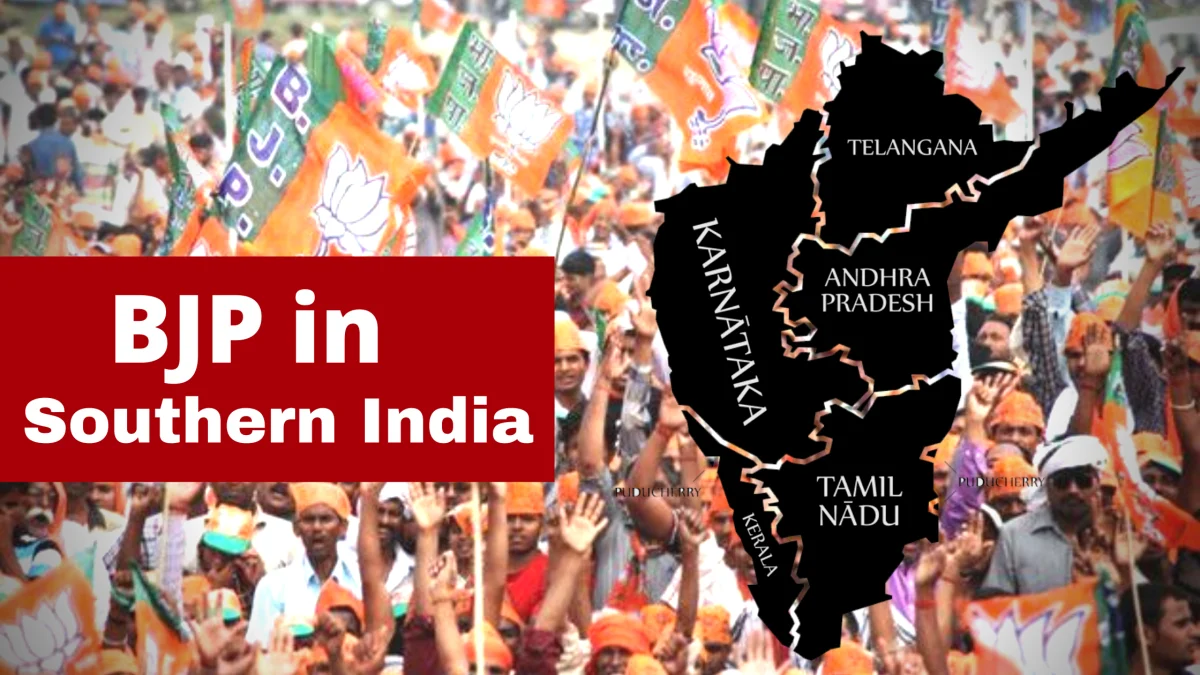
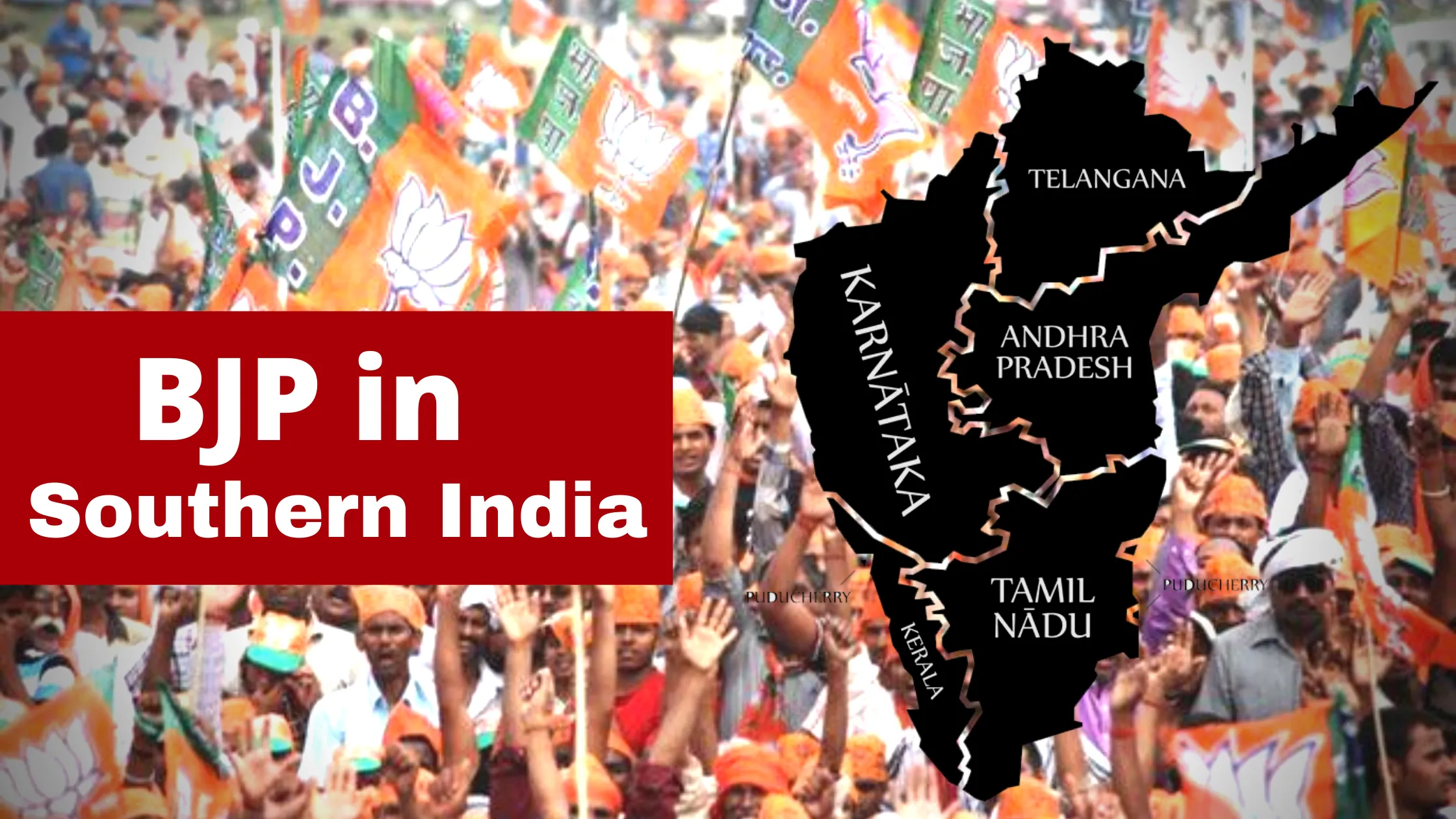
BJP in Southern IndiaThe 2008 Karnataka Legislative Assembly Election served as Bhartiya Janata Party’s gateway to southern India where, for the first time, the party formed government despite not winning a clear majority.  Since then, the party has effectively consolidated a dedicated voter base in most of the adjoining states with the exception of Kerala where the Left Democratic Front and the Congress party have managed retained power.
One of the prime reasons behind the saffron surge down south is the dwindling hold of regional parties over traditionally held constituencies. Parties like AIADMK, Telangana Rashtra Samithi, Telugu Desam Party, Yuvajana Sramika Rythu Congress Party, and Janata Dal (Secular), which have long enjoyed cultural support in certain states owing to family fiefdoms, have been unable to sustain themselves over the years. This coupled with a unified awakening of Hindu consciousness in the southern region has sidelined party dynasties that have ruled Karnataka, Kerala, Tamil Nadu, and Andhra Pradesh for decades. Additionally, with a politically disintegrating Congress party, voters now look over to the BJP for economic growth and stability. The Bhartiya Janata Party has also, through the course of several election cycles, formed strategic alliances to come to power. An example of the same being the JDS-BJP alliance in the state of Karnataka.

Tracing the BJP’s trajectory in Kerala, the party has managed to establish a presence over the years. The Bhartiya Janata Party has substantially increased its vote share from 6.03% in the 2011 Legislative Assembly to 14.96% in the 2016 State Election. Keeping in line with its progress, the party won 15% of the votes in Kerala’s 2020 Civic Body Election. While it has not been able to form government in Kerala so far, the BJP is projected to win a substantial vote share in the upcoming election. Similarly, the party has been unable to win a single seat in the Union Territory of Puducherry, since its vote share has only gone up to 2.4%. The nominations of three MLAs from the Bhartiya Janata Party by the Centre in 2018 to the assembly sparked controversy which was quickly dispersed by the Madras High Court by upholding the Centre’s action. The party is expected to form a coalition with AIADMK in the upcoming election.

With the exception of Kerala and Puducherry, the BJP has practically taken over the southern states, projecting a unified front against politically endorsed regionalism which has served local parties for decades. The party’s stellar performance in the newly formed state of Telangana at the assembly and municipal level is a testament to their growing influence in South. Although the BJP’s seat share in Andhra Pradesh has dropped from 4 to none, the party has been able to establish a vote bank in the state given their strategic alliances with the existing regional parties. Similarly, in Tamil Nadu, the party has been observing a steady rise in popularity given their promises of fast paced economic development. While the Bhartiya Janata Party has not been able to solidify power in the southern states, it is in the process of doing so as a part of its expansionist agenda. The party attempts to unite a fragmented South under the banner of Hinduism and economic development.

Categories
Assembly Election Political research

Battle of West Bengal

West Bengal Election 2021

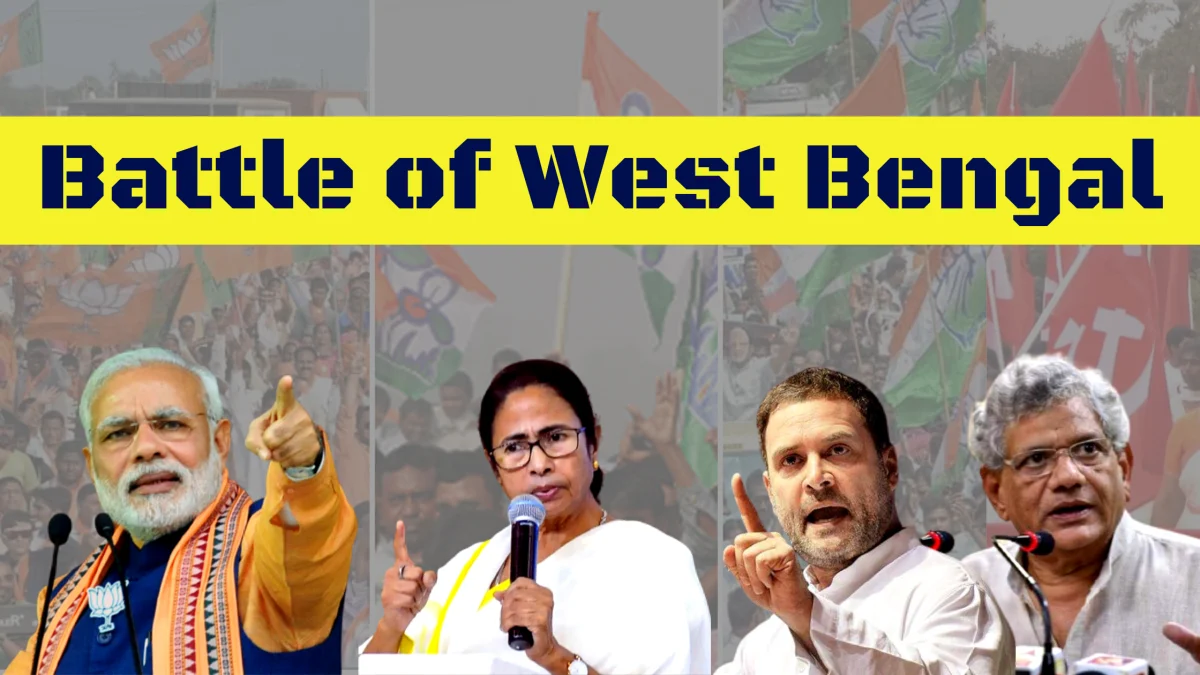
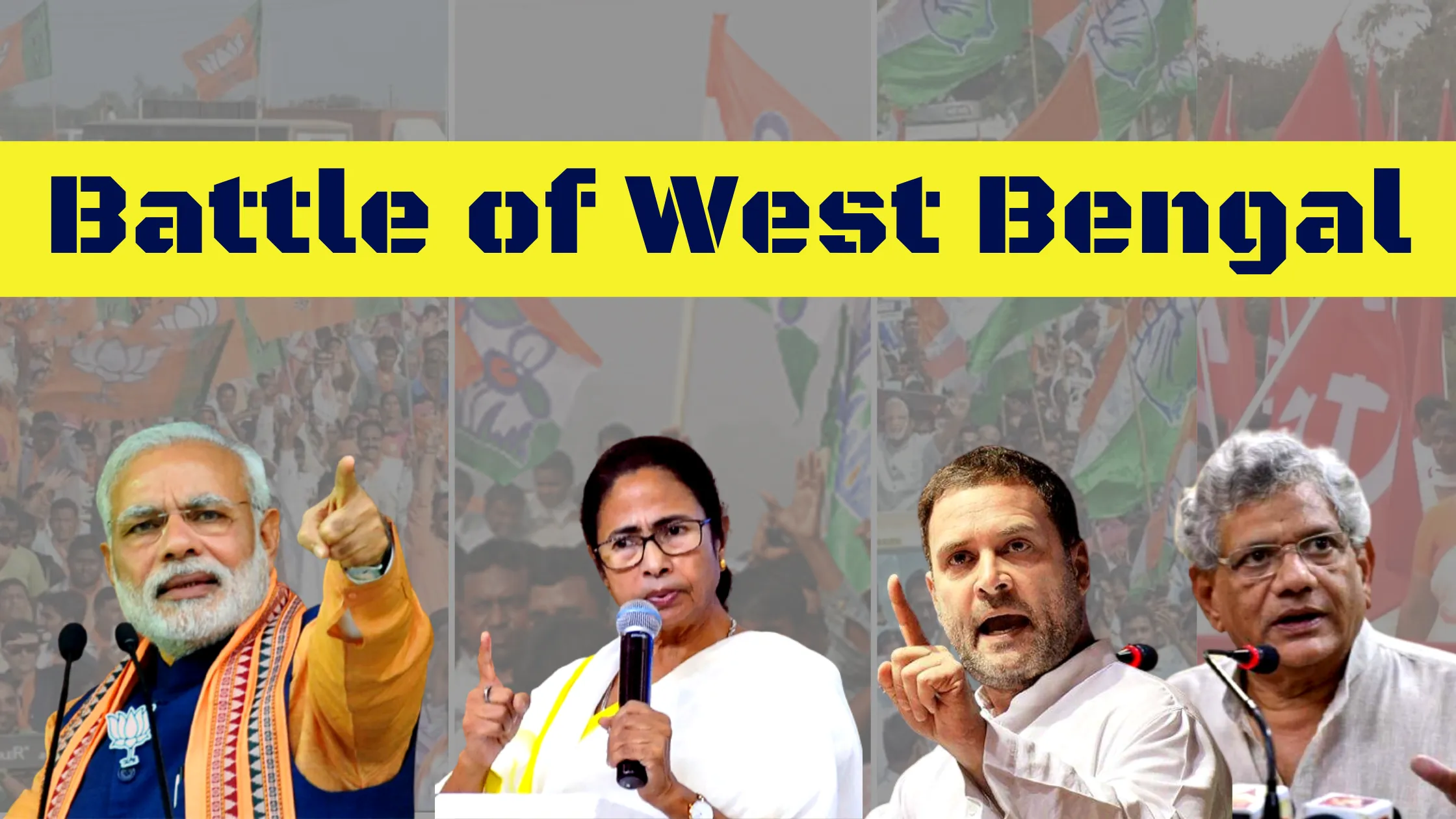
In an attempt to stir the political conscience of West Bengal, the All-India Trinamool Congress used the anti-industrial sentiments of the population as a campaigning tool in 2011. A decade later, the party’s aversion to fast-paced industrialization has landed it in murky waters. With the advent of formidable opposition, the 2021 West Bengal Legislative Assembly Election has proven to be diverse in terms of participation and campaigning issues, ahead of polling.

The major parties contesting election in 2021 include the All-India Trinamool Congress (Federal Front), the Indian National Congress along with Communist Party of India – Marxist (Mahajot) and the Bharatiya Janata Party. The Trinamool Congress has retained its approach of rolling out mass distributive and other policies right before election season. With policies like Swyastha Sathi, a healthcare initiative, and Duare Sarkarand, the party hopes to retain its voter base. Party leadership has also made use of the ‘othering’ approach to draw distinction between the BJP, a predominantly Hindu party, and homegrown TMC. The party has also sparing used the Citizenship Amendment Act to attack the BJP.

BJP alleges that the Trinamool Congress lacks vision for the state. The party promises more rapid industrialization and economic development in the state if voted to power. Additionally, the Bharatiya Janata Party has also employed use of phrases such as “Ebar Bangla, parle shamla” (Save Bengal this time) hinting at Mamata Banerjee’s strategy of minority appeasement and lack of good economic governance. The opposition, including the INC and CPI (M) along with the BJP have severely criticized Banerjee’s use of political violence to retain voter support.

In 2016 Legislative Assembly Election the primary campaigning issues used by the opposition were the Narada and Saradha scandals, lack of industrialization, and flaming of political violence by TMC. However, the party responded by introducing mass distributive schemes of grains and pulses for the poor and by restoring infrastructure across the state. Millions of minority students were handed out scholarships and the Muslim community was registered under the OBC category.

While political strategies change with every election cycle, their nature remains stagnant. Parties pick on each other’s shortcomings to secure their own vote bank. However, instances of violence close to elections have become more predominant in West Bengal with no solution in sight.

Categories
Assembly Election Election Political research Social Media Management

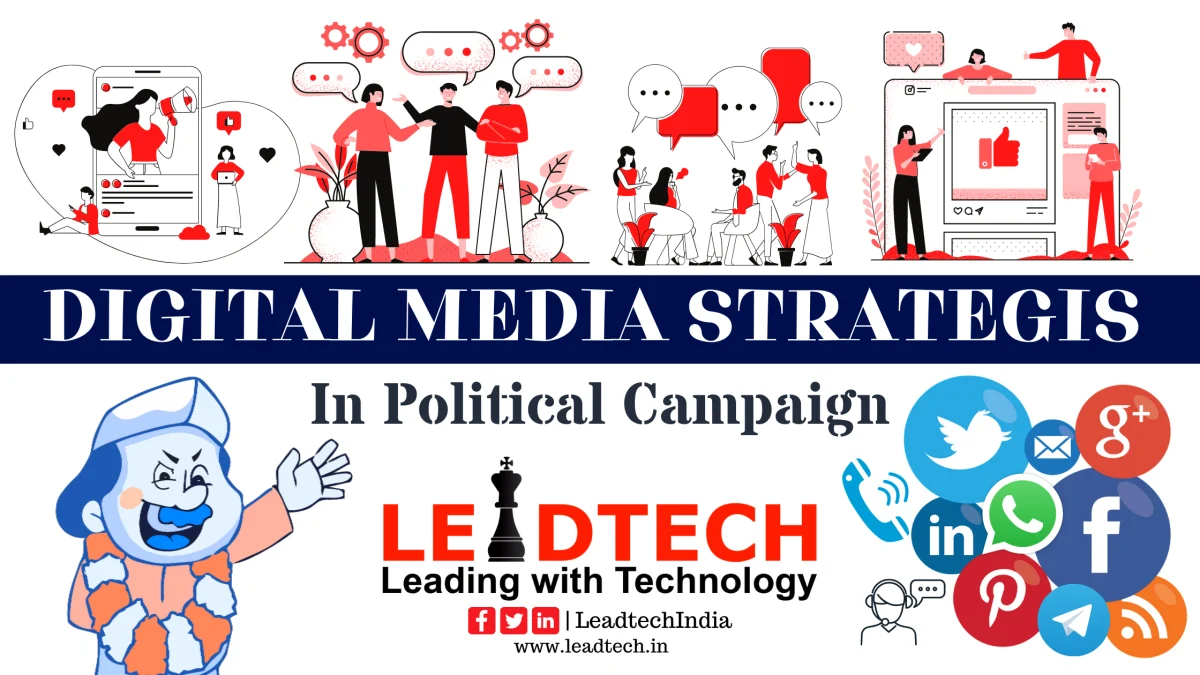
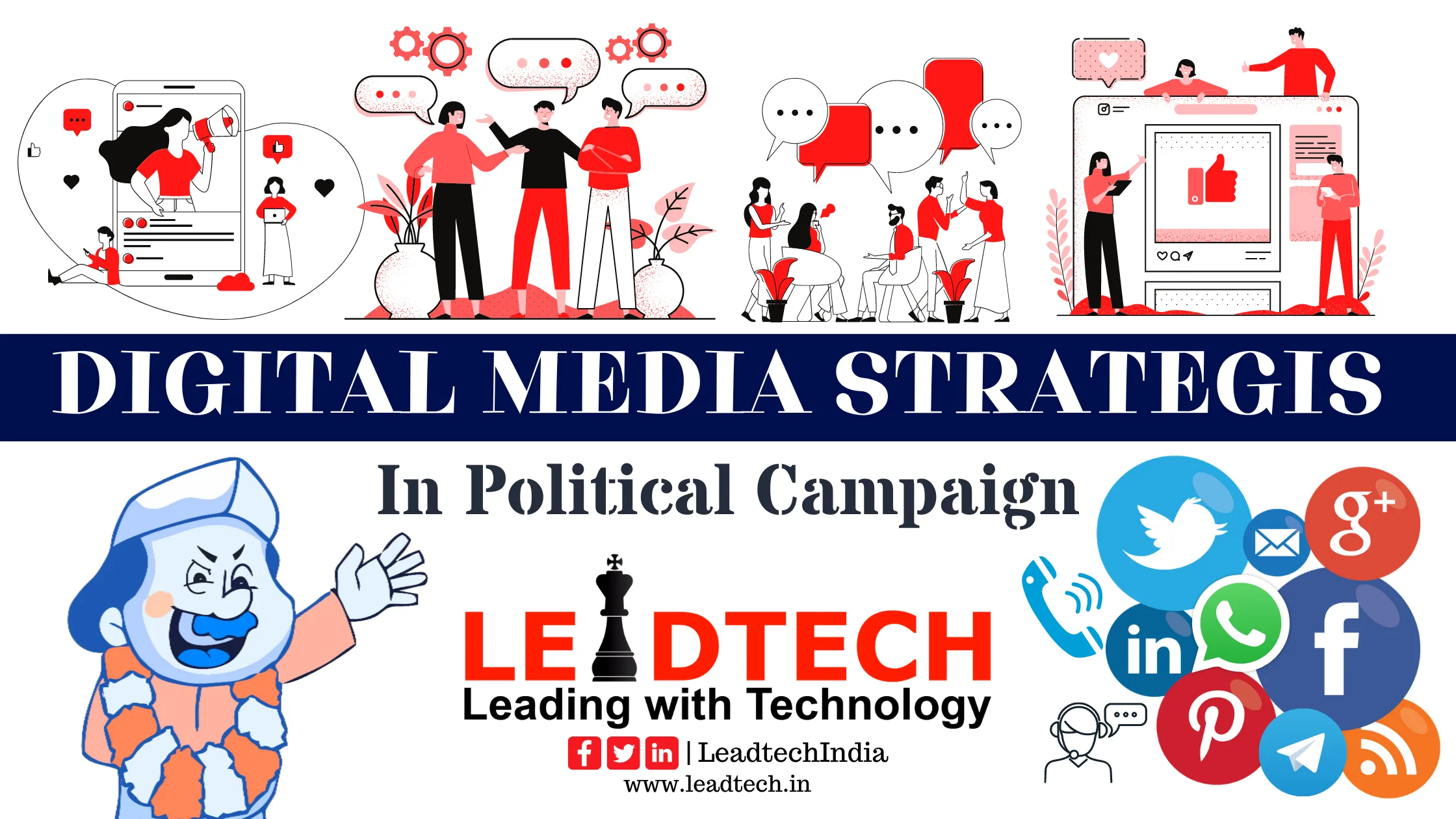
Digital Media Strategies in Political Campaign

Digital Media Strategies in Political Campaign

With the advent of digital media, the nature of political campaigning has changed over the years. Digital campaigning, at a national level, was first introduced by the Bharatiya Janata Party in the 2009 Lok Sabha Election. The 2014 Lok Sabha Election was a testament to the same where the BJP, with its dedicated social media campaigning, took the country by storm. Since then parties across the country have been drifting away from more traditional structures of reaching out to their audience and have started embracing digital campaigning.

Interactive Voice Response (IVR) has emerged as an effective tool to gather public opinion towards candidates. IVRs engage with voters through automated outbound calls and voters register their opinions by merely pressing a button on their phone. Additionally, bulk messages or blast messages also help candidates reach out to a wide audience and keep in touch with them. It is a one-way communicative channel that makes one-to-one communication easier. Furthermore, with a huge chunk of the population making use of WhatsApp, it also has come up as a platform for engagement by candidates through forwarded messages.

The most crucial element to digital campaigning is collating a specialized media team. The team creates content and engages with people for the candidate. Fundamentally, social media campaigns, across platforms, should appeal to a wide demographic. However, since most candidates have a target audience based on the nature of their policies, specialized ads for a targeted audience on certain social media platforms should also be a priority. Another important aspect of digital campaigning is personal engagement. This personal engagement, through live videos or tweets, should ideally be of positive nature with personal anecdotes.

It is also important for the campaign team to be consistent with their posting, whether it is on social media or a website made for the campaign. The goal of leaving an impact on people can be achieved by churning more graphic content with images, slogans, party/candidate symbols, colors, etc. in lieu of written content.

Hence, digital campaigning can help candidates reach out to a wider audience if used strategically. It is an attractive campaigning field since a lot of everyday discourse happens on the internet. Candidates can expand their voter base with the help of impactful targeted ad campaigns and change the course of the election.