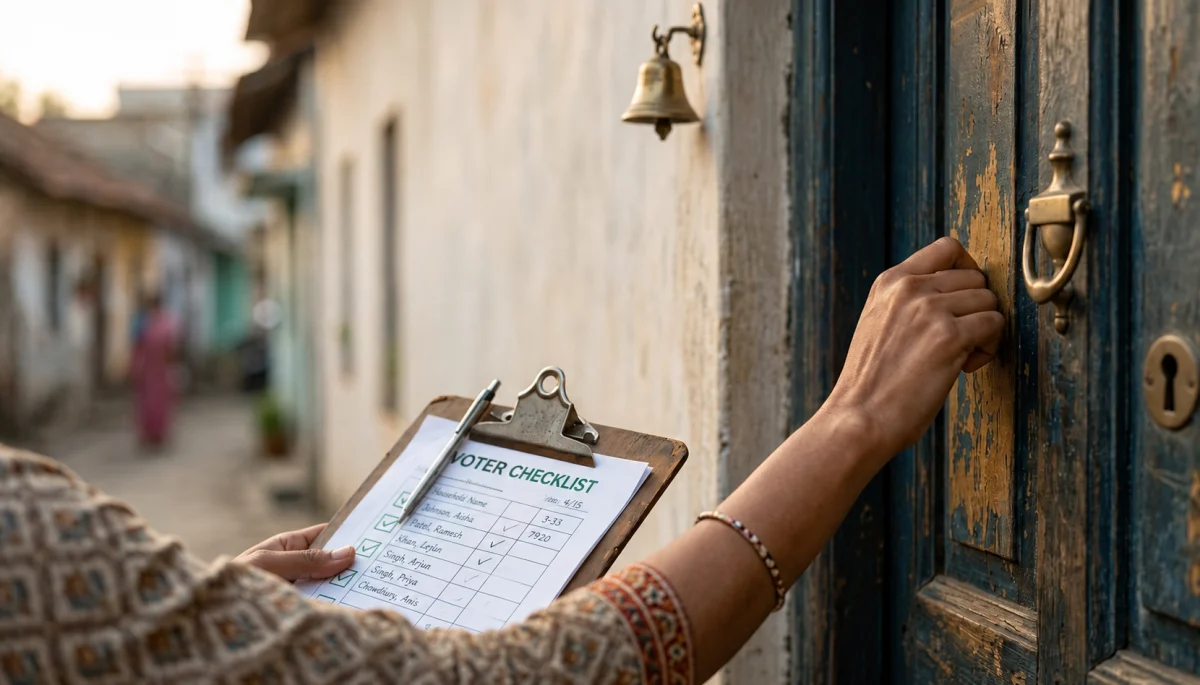
Think about the last time a brand actually spoke to you, not through an ad on your phone screen, not through a promotional email you never opened, but through a real person standing at your door. Chances are, you remember it. That’s the whole point of a door-to-door campaign service, and it’s exactly why businesses across India are turning back to this method to reach local markets.
Digital marketing is everywhere right now, and for good reason. But when you’re trying to build trust in a neighbourhood, convince a first-time buyer, or collect honest feedback from real people, nothing quite replaces human contact. According to a Nielsen report, 92% of consumers trust recommendations from people they know over any other form of advertising. Door-to-door campaigns tap into that same personal connection, just at scale.
What is a door-to-door campaign service, really?
A Door to Door Campaign service is exactly what it sounds like: trained field agents visit homes or businesses in a specific area to deliver a brand message, promote a product or service, or collect information directly from the people who live there. It’s one of the oldest forms of marketing, but when it’s done professionally and with a clear strategy, it’s also one of the most effective.
At LeadTech, we’ve been running door-to-door campaigns across Indian cities and towns for years. What makes this service different from simply knocking on doors is the planning behind it, route mapping, agent training, script preparation, data collection, and daily reporting. It’s a full operation, not just a walk around the block.
These services are commonly used for product launches, political outreach, insurance and banking services, FMCG promotions, telecom activations, and voter awareness drives. The common thread in all of these is the need to reach real people where they live, in a language they understand, with a message that feels personal.
Why Local Markets Respond Better to Door-to-Door
Local markets in India are not monolithic. A campaign that works in South Delhi may need a completely different approach in Patna or Coimbatore. Language, culture, trust levels, and economic backgrounds all of these vary block by block, not just city by city. This is where a door-to-door campaign service has a clear edge over mass media.
When a field agent walks into a neighbourhood speaking the local dialect, wearing branded attire, and carrying printed material in the regional language, it sends a signal: “We know you. We’re here for you.” That’s a message that a digital banner ad simply cannot deliver. People are also more likely to ask questions, share concerns, and give honest feedback when they’re talking to a real person.
India’s semi-urban and rural markets, which account for nearly 65% of the country’s population, are especially well-suited for door-to-door outreach. Smartphone penetration and internet access are growing, but many first-time consumers of financial products, healthcare services, or FMCG goods in these areas still prefer person-to-person communication. A well-planned campaign service can bridge that gap in a way that digital channels often cannot.
The Role of Door-to-Door Survey in Campaign Success
One thing that makes a door-to-door campaign service genuinely useful, beyond just promotion, is its ability to collect data. This is where the Door-to-Door Survey becomes a core part of the service offering.
This survey is a structured data collection activity where field agents visit homes and ask residents a set of questions about product usage, brand awareness, purchasing habits, or service satisfaction. The responses are recorded in real time, often through mobile apps, and the data is compiled into reports that businesses can actually use.
Think of it this way: you’re not just spreading a message, you’re also learning from the people who receive it. How did they react? What objections did they raise? What competing brands are they using? This kind of primary research is invaluable, and it comes directly from the ground level, not from a filtered online survey where people click through just to finish.
Several door-to-door survey companies in India offer this as a standalone service. But the most effective campaigns are the ones that combine promotion and survey in a single visit, an agent who can both present your brand and gather feedback in the same interaction. That’s a smarter use of both time and budget.
What Makes a Campaign Service Work?
Not every door-to-door campaign delivers results. The ones that do tend to have a few things in common, and it’s worth understanding what those are before you invest in one.
The first is target area selection. A campaign works best when it’s focused on the right geography, whether that’s a specific pin code, a housing society, a market lane, or a rural cluster. Spreading too thin across too wide an area dilutes the impact. At LeadTech, we use geo-mapping tools to plan campaign zones based on your audience profile and campaign objectives.
The second is agent quality. Field agents are the face of your brand during the campaign. They need to be trained, not just on what to say, but on how to handle objections, how to build rapport quickly, and how to represent your brand professionally. Poor agent performance can do more harm than no campaign at all.
The third is real-time tracking and reporting. You should never have to guess how your campaign is performing. Modern campaign services use GPS tracking, daily call reports, and digital data submission to keep clients updated. LeadTech provides clients with daily performance dashboards so you always know what’s happening on the ground.
Finally, follow-up matters. A single visit can plant a seed, but a structured follow-up, whether through a second visit, a call, or a digital touchpoint, is what turns interest into action.
Door-to-Door Campaign Service vs. Digital Marketing: Not an Either/Or
It’s tempting to think of door-to-door campaigns as old-school and digital marketing as modern. But the brands winning in local markets right now are using both together. They run a door-to-door campaign to create awareness and collect leads, then follow up through WhatsApp, SMS, or social media to nurture those leads further.
A Door to Door Campaign service also generates something that digital campaigns struggle to produce: verified, first-party data. When a field agent speaks to someone and records their name, contact number, location, and product interest, with their consent, you have a lead that is far more valuable than a click on an ad. These are real people who have had a real conversation about your product.
This kind of data is also useful for the survey component of a campaign. Companies can analyse survey responses by area, by demographic, and by product category to fine-tune their overall marketing strategy, not just for door-to-door, but across all channels.
How Door to Door Survey Companies in India Are Evolving?
The landscape of such companies in India has changed quite a bit over the last decade. What used to be paper-based, manually tallied, and slow to deliver results is now increasingly digital. Tablets, smartphones, and cloud-based survey tools mean that data collected in the morning can be reviewed by a client in the evening.
Companies like LeadTech combine traditional field operations with modern technology. Field agents use mobile apps to submit survey responses in real time. GPS tools verify that agents are actually visiting the locations assigned to them. QR codes and digital forms replace paper wherever possible. The result is faster, cleaner, and more reliable data, which is what clients actually need to make decisions.
India’s rapid economic growth, expanding middle class, and increasing brand competition mean that local market research has never been more important. Whether you’re a new brand trying to understand a market before entering it, or an established brand looking to measure campaign impact, a professionally run survey is one of the most direct ways to get real answers.
Why LeadTech is a Trusted Name in Door-to-Door Campaign Services
LeadTech has been operating in the field of marketing and campaign services with a focus on delivering measurable results for clients across sectors, including FMCG, banking, telecom, healthcare, and government outreach. Our teams are active across multiple states in India, covering both urban and rural geographies.
What sets us apart is the combination of trained manpower, technology-enabled tracking, and transparent reporting. We don’t just run campaigns, we build them around your specific objectives, train agents on your brand, map the right geographies, and give you data you can actually use. Our Door-to-Door Survey capabilities are built into our campaign infrastructure, which means clients get both outreach and insights from the same engagement.
We understand India’s diversity, the languages, the cultures, and the buying behaviours. That understanding is what makes our campaigns more than just foot traffic. It’s what makes them work.
Ready to Reach Your Local Market the Right Way?
If you’re a brand that wants to reach real people in real neighbourhoods, without waiting for them to find you online, a Door-to-Door Campaign service might be exactly what you need.
At LeadTech, we plan, execute, and report on door-to-door campaigns and Door-to-Door Surveys across India. Whether you need a short activation campaign or an ongoing market research programme, our team is ready to help you build something that actually reaches people.
Get in touch with LeadTech today and let’s talk about what your local market strategy should look like, city by city, lane by lane.
Visit us at leadtech.in or drop us an enquiry to get started.
Frequently Asked Questions (FAQs)
1. What is a Door-to-Door Campaign service, and how does it work?
A door-to-door campaign service involves deploying trained field agents to visit homes or commercial areas in a specific location. These agents represent your brand, deliver your message, promote your product or service, and sometimes collect data or leads. The campaign is supported by route planning, agent training, GPS tracking, and daily reporting to make sure everything runs smoothly.
2. How is a Door-to-Door Survey different from a regular online survey?
A Door-to-Door Survey is conducted in person by a field agent who visits respondents at their homes. This produces more accurate, verified data compared to online surveys, where responses can be rushed or unreliable. It also allows agents to reach people who may not be active online, a significant advantage in semi-urban and rural markets in India.
3. How do I choose between door-to-door survey companies in India?
Look for companies that have trained field teams, technology-enabled data collection, transparent GPS tracking, and experience in your specific industry or target geography. Ask to see sample reports and understand how quickly they can deliver data. LeadTech ticks all of these boxes and has experience across multiple sectors and Indian states.
4. Can a door-to-door campaign service work for small businesses or startups?
Absolutely. In fact, local businesses often benefit the most from door-to-door campaigns because they’re trying to build awareness in a very specific area, a neighbourhood, a town, or a district. You don’t need a national campaign to get results. A well-targeted local door-to-door campaign can build brand recognition and generate leads faster than most digital methods for hyper-local audiences.
5. How long does it take to see results from a Door-to-Door Campaign service?
Results depend on the size of the campaign, the product or service being promoted, and the target area. For lead generation or sales activation campaigns, you can start seeing results within the first week of the campaign. For brand awareness or survey-based campaigns, the insights are usually compiled and reported at the end of each campaign cycle, which can range from one week to a month, depending on the scope.
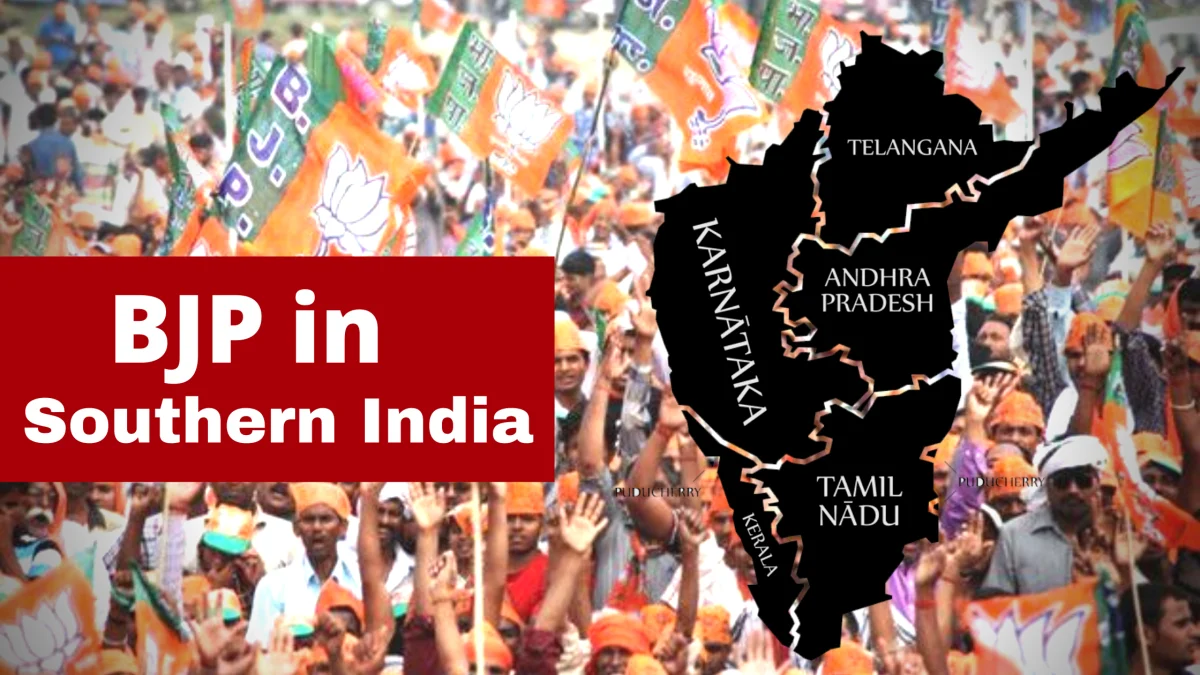
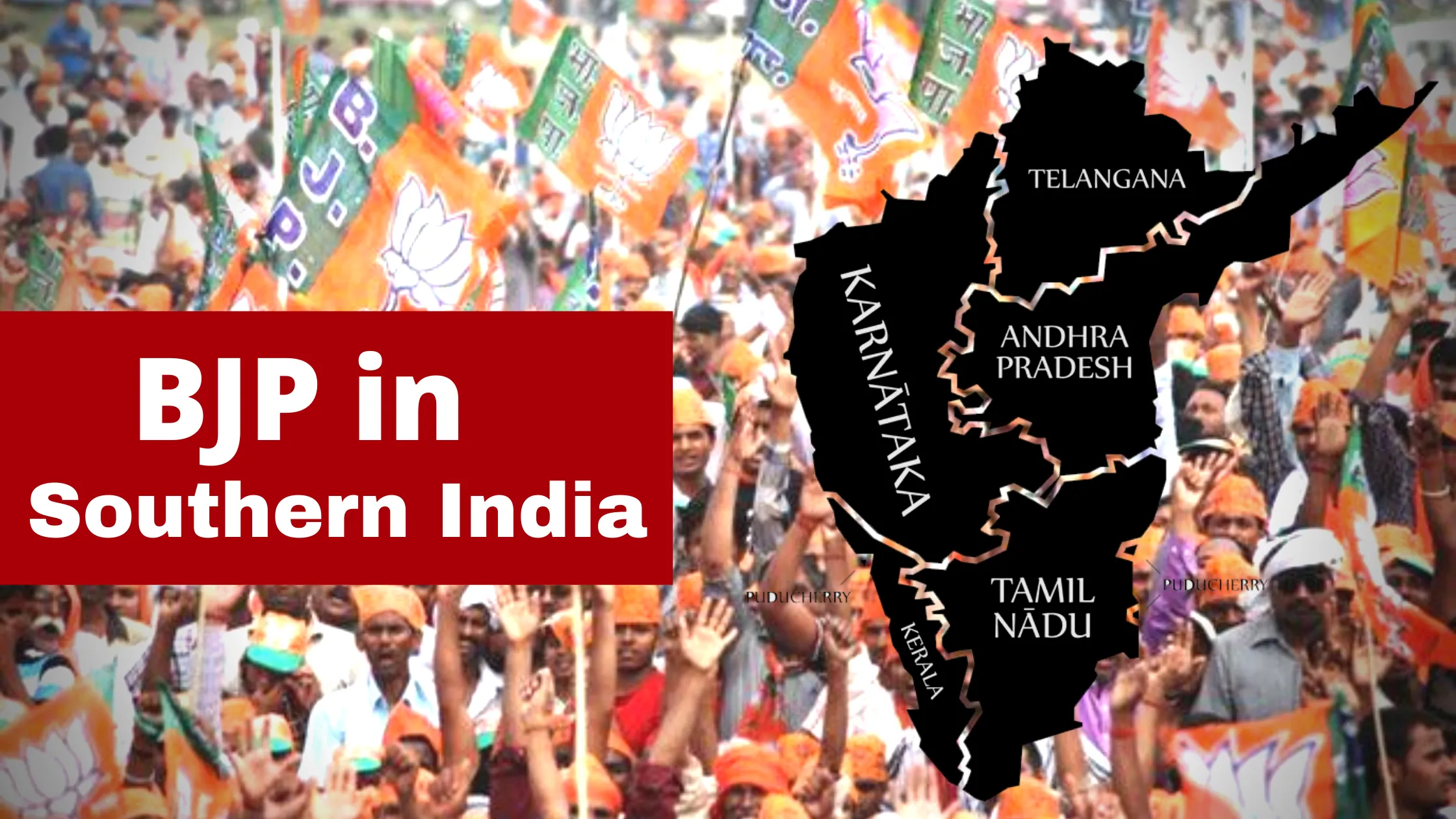 The 2008 Karnataka Legislative Assembly Election served as Bhartiya Janata Party’s gateway to southern India where, for the first time, the party formed government despite not winning a clear majority. Since then, the party has effectively consolidated a dedicated voter base in most of the adjoining states with the exception of Kerala where the Left Democratic Front and the Congress party have managed retained power.