The Aam Aadmi Party (AAP) has announced its initial list of 11 candidates for the 2025 Delhi Assembly elections, scheduled for early next year. Significantly, six of these candidates have recently transitioned from the BJP and Congress to AAP. Noteworthy figures include former BJP leaders Brahm Singh Tanwar, Anil Jha, and BB Tyagi, alongside former Congress leaders Chaudhry Zubair Ahmad, Veer Dhingan, and Sumesh Shokeen. The rest of the lineup features dedicated AAP members and new entrants, illustrating the party’s strategy to strengthen grassroots connections and broaden its voter base as it prepares for the upcoming elections.
Here’s the list of 11 candidates announced by the Aam Aadmi Party (AAP) for the 2025 Delhi Assembly elections:
Candidate Name
Constituency
Party Background
Brahm Singh Tanwar
Chhattarpur
Ex-BJP MLA
Anil Jha
Kirari
Ex-BJP MLA
BB Tyagi
Laxmi Nagar
Ex-BJP Councillor
Veer Singh Dhingan
Seemapuri
Ex-Congress MLA
Sumesh Shokeen
Matiala
Ex-Congress MLA
Chaudhry Zubair Ahmad
Seelampur
Ex-Congress Leader
Sarita Singh
Rohtas Nagar
Ex-AAP MLA
Ram Singh Netaji
Badarpur
Ex-AAP MLA
Deepak Singhla
Vishwas Nagar
AAP loyalist
Gaurav Sharma
Ghonda
New Candidate
Manoj Tyagi
Karawal Nagar
New Candidate
This candidate list showcases AAP’s approach of blending seasoned leaders from rival parties with long-standing party members, aiming to balance experience with loyalty while broadening their electoral appeal.
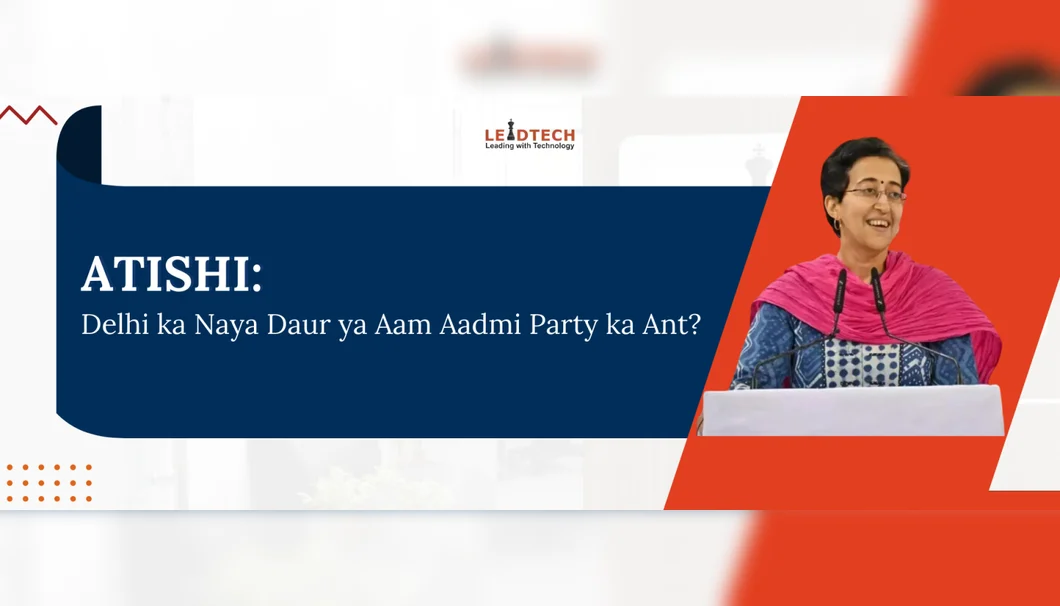
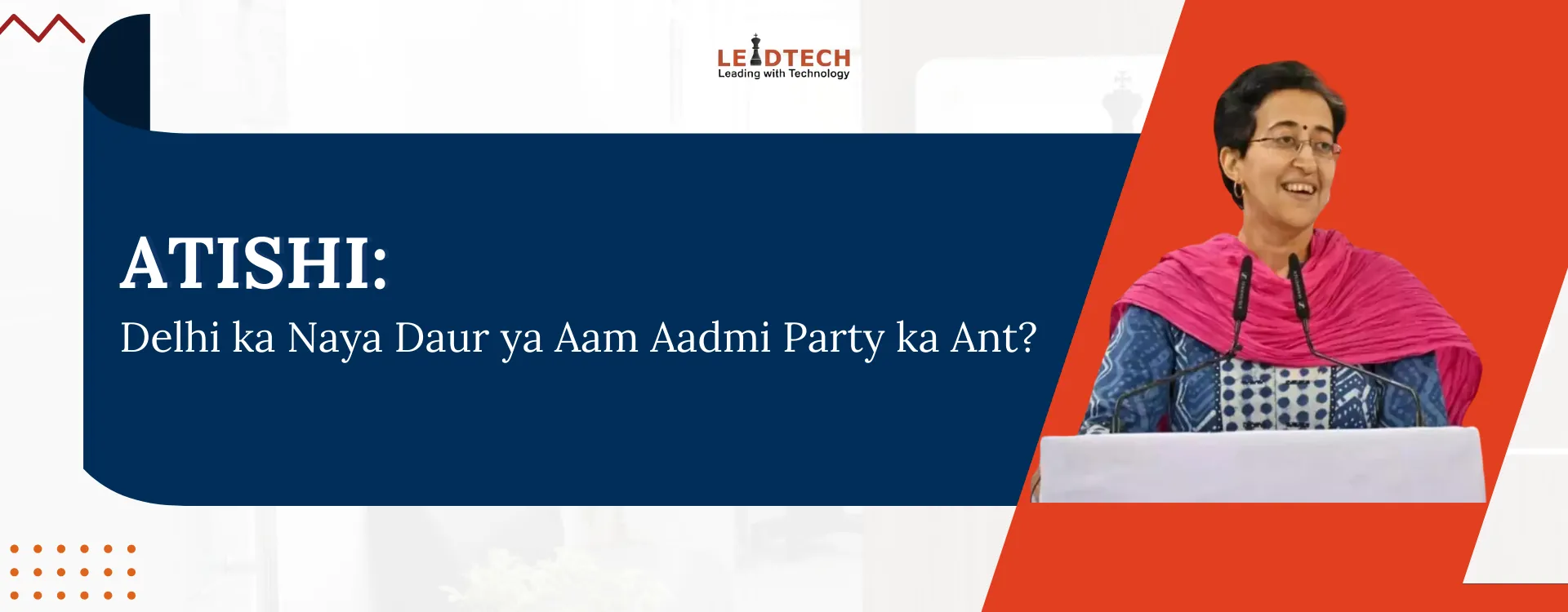
Atishi Marlena is a name that has become synoname of education reforms and progressive governance in Delhi, marking a new chapter in Aam Aadmi Party (AAP) leadership. Her ascent in politics speaks to a generation that views public service as a means for transformative change rather than personal ambition. Yet, amid the growing complexities of Delhi’s political landscape and beyond, a pressing question remains: Is Atishi ushering in a bright new era for the capital, or is she a symbol of AAP’s potential decline?
Atishi’s political journey is indeed inspiring. Armed with an education from Oxford and a strong background of education, she joined AAP with a clear vision, to overhaul Delhi’s education system. Her work as an advisor to the Delhi Education Minister has not only transformed government schools but also earned accolades both nationally and internationally. By improving infrastructure, introducing new curriculums, and enhancing teacher training, Atishi has played a vital role in bolstering AAP’s reputation for effective governance.
Many see Atishi as a beacon of a new political landscape in Delhi—one where educated professionals and technocrats prioritize addressing long-ignored public issues. Her fresh perspective and hands-on approach to governance offer a model of policy-driven politics with education in focal point that could have far-reaching implications for urban centers across India.
However, the promise of this new dawn comes with significant challenges. AAP, once a formidable voice against corruption, has faced fluctuating political fortunes. Despite its successes in Delhi, the party has grappled with internal conflicts, controversies, and legal entanglements that have eroded some of its initial momentum. Leaders like Atishi are essential for restoring public trust, but the crucial question is whether they can achieve this in a tumultuous political environment.
Moreover, the rise of the BJP and its firm grip on Indian politics presents a formidable barrier. Although AAP has made strides in Delhi, it has struggled to expand its reach nationally, raising concerns about its potential as a broader political alternative. Will AAP remain confined to a regional force, or can it break through to gain a foothold on the national stage?
Atishi’s role within AAP is pivotal. She has the potential to solidify the party’s identity as a governance-focused alternative, but this depends on her ability to navigate the turbulent waters of Indian politics, which requires not only effective governance but also coalition-building and resilience in diverse electoral landscapes.
Atishi embodies AAP’s foundational ideals: a dedication to education, reform, and good governance. Yet, the path ahead is fraught with challenges—both from external political forces and the internal dynamics of her party. Whether she will lead Delhi into a transformative era or witness the party’s decline remains uncertain, hinging on how AAP addresses its upcoming political challenges.
Ultimately, Atishi’s journey is deeply intertwined with the fate of AAP. Whether we are witnessing the dawn of a new political era or a prelude to decline, time will reveal the outcome. What is clear is that Atishi has already made her mark on Delhi’s politics, and her legacy will likely shape the city’s future for years to come.
The Political consultancy landscape has seen a surge in its popularity in recent years. According to the latest publications dated 23 March 2024 from the Election Commission of India, and subsequent notifications, there were 6 national parties, 57 state parties, and 2,764 unrecognized parties. With this number of political groups cropping up and several independent candidates wanting to contest the elections, the need for a competent and experienced political consultant to guide them through is felt now more than ever. If you are a political candidate yourself or are associated with a group, having someone to guide you through the Indian political landscape becomes crucial. This is where working with a Top Political Consulting Company in India can help.
But, finding the right consulting company among a plethora of options available can be a tough task. This blog will discuss the names of some of the best consulting companies you can work with in India.
The Role of Political Consulting Companies
Political consulting companies offer services that include strategic planning, political campaign management, voter research and analysis, communication and messaging, and digital marketing. These companies can work together with political parties to understand their vision, goals, and requirements and thus develop a time-bound and actionable plan.
Political consultants can also conduct precise surveys through their strong foothold and demographic knowledge. They are adept at managing communication through social media platforms and campaigns and can handle logistics as well. Working with Political strategists at the Top Political Consulting Company in India can help ensure that you get the most effective election strategy that guarantees victory in your campaign.
Honorary Mentions
Leadtech
Info Elections
IPAC
Nation with NAMO
Rajneethi
DesignBoxed
Best Political Consulting Companies in India
Leadtech – Political Consulting Company in India
Founded in 2008 by Mr Vivek Singh Bagri, Leadtech serves as one of the leading research and best political survey companies in India. To put it in their own words, through exemplary research, analytics, campaigning, and consulting in the election field, Leadtech has earned the title of the best political consulting company in India. Their team conducts grassroots-level research through interviews and leverages in-house technology for accurate political analysis. Leadtech’s commitment to data-driven strategies and its proven track record in the political arena position it as a valuable partner for clients seeking to achieve electoral success.
Info Elections provides insightful analysis and tools specifically designed for political campaigns. The platform is an essential tool for comprehending voter dynamics and improving campaign tactics since it places a strong emphasis on in-depth research and analysis to support election strategy.
IPAC
Started as Citizens for Accountable Governance(CAG) in 2013, I-PAC(Indian Political Action Committee) boasts of some of the best minds from diverse academic and professional backgrounds who brainstorm to present you with the latest insights and strategize to help you navigate the election process with ease. This consulting company works with leaders who have a proven track record and helps them set a citizen-centric agenda to implement the most effective ways of gathering mass support.
Nation with NAMO
Nation with NAMO is another political consulting company that works primarily for the ruling party(the BJP). The consulting company aims to create a platform for young professionals to create an impact by supporting senior political leaders in election campaigns, and governance. In addition to political consulting, the company also offers internships and GILP courses for aspiring university students.
Rajneethi
Rajneethi is another of the Political consulting companies that positions itself as a strategic partner for political groups looking for a competitive edge. It specialises in a range of services like strategic political communication, granular constituency profiling, comprehensive campaign management, and leveraging digital platforms for maximum impact. Based on a data-driven approach, the consulting firm employs advanced analytics to inform every aspect of its strategies and guarantee success in your political campaigns.
DesignBoxed
DesignBoxed started as a digital marketing agency in 2011, however, transitioned to the political consulting landscape soon after. Their deep knowledge of Indian political dynamics combined with a proven track record helps them frame strategic political campaigns tailored to gain mass support. The agency has solidified its position as a leading political campaign digital specialist through its involvement in numerous successful elections over the past two years. Their ability to analyze complex data and translate it into compelling narratives has been instrumental in driving voter engagement and achieving electoral victories.
The Final Word
Before you decide to work with a consulting company, ensuring it can meet your needs is important. Selecting the right political social media campaign management company is crucial for achieving project success. Key factors to consider include the firm’s expertise in the specific industry or problem area, their track record of delivering results, the qualifications of their consultants, the alignment of their values, their work style, and their ability to fit within your project budget and timeline. A thorough evaluation of these elements will help you identify the best consulting partner to meet your political needs.
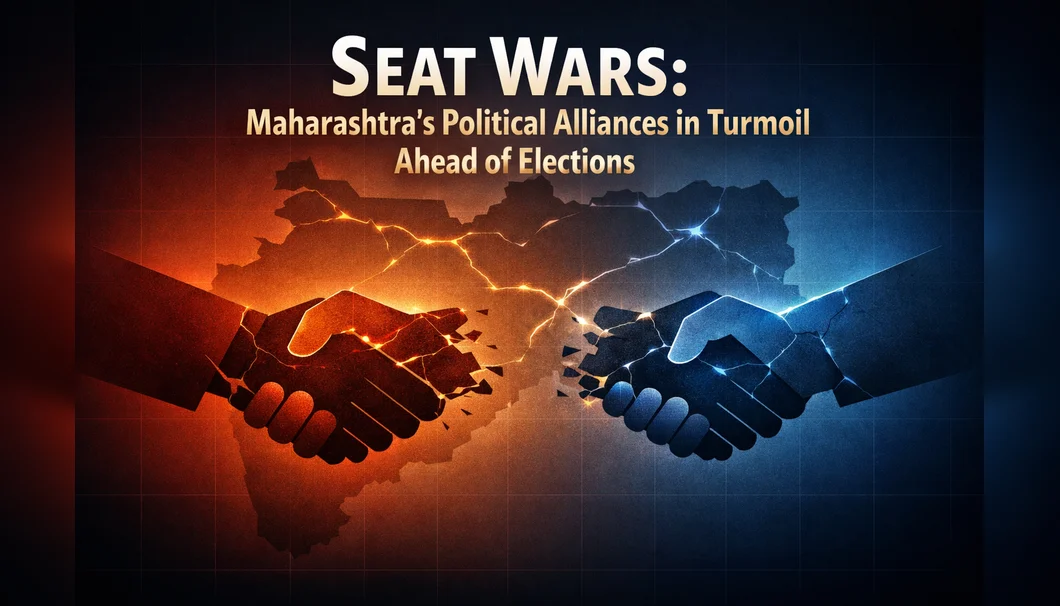
PC Alexander, the former Maharashtra governor, wrote in his book “Perils of Democracy” that political partnerships are frequently short-lived due to increasing conflicts among coalition partners. This observation is especially applicable in Maharashtra today, as both the government and the opposition are struggling with seat-sharing concerns ahead of the upcoming assembly elections.
Following the Lok Sabha elections, tensions have risen among the Mahayuti alliance. Eknath Shinde’s Shiv Sena, which contested on 16 seats and won seven, was only allocated a Minister of State (MoS) position in Prime Minister Narendra Modi’s cabinet, which sparked public outrage among its members.
Similarly, Ajit Pawar’s NCP declined the role of Minister of State, seeking a full cabinet post. Senior NCP leader Chhagan Bhujbal’s recommendation that the party aim to contest 80-90 seats in order to win at least 50 MLAs adds to the internal problems.
The BJP contested 164 of the 288 seats in the 2019 Maharashtra elections, while the Shiv Sena contested 126. Seat-sharing negotiations have grown more complicated now that Ajit Pawar’s NCP is also a part of the Mahayuti alliance in Maharashtra.
Previously, the unified NCP fought 121 seats, and both the Shiv Sena and the NCP are demanding a significant number of seats, refusing to compromise. There is even a possibility that the NCP will abandon the Mahayuti.
The RSS has slammed the BJP for allowing Ajit Pawar in the alliance, claiming it has harmed the party’s prestige.
Raj Thackeray has announced that his party, the Maharashtra Navnirman Sena (MNS), will compete independently in the Vidhan Sabha elections. However, it is still possible for the MNS to join the NDA before the elections. Despite the fact that the MNS did not participate in the Lok Sabha elections, Thackeray’s support for the BJP was interpreted as a reciprocal arrangement.
The opposition Maha Vikas Aghadi (MVA) is also experiencing internal conflict.
The Congress has taken a more assertive stance since becoming the largest party in Maharashtra following the Lok Sabha elections. The Shiv Sena (UBT) and the NCP (Sharad Pawar) are furious by Maharashtra Congress head Nana Patole’s recent assertion that his party is the “Big Brother” in the MVA.
The Congress contested 147 seats in 2019. The present seat-sharing procedure inside the MVA is challenging, with tense relations between the Shiv Sena (UBT) and the Congress.
During the Lok Sabha elections, the Shiv Sena (UBT) announced its candidate for the Sangli seat separately, resulting in a split in which the Congress candidate contested independently and won. Similar disagreements arose during the MLC elections, with Nana Patole alleging that Uddhav Thackeray ignored his calls.
In a recent meeting with party members, Uddhav Thackeray urged them to prepare to compete for all 288 seats alone, indicating further split within the MVA.
Significant realignments are anticipated within both alliances in the near future. The BJP’s central leadership is likely to intervene in the Mahayuti disputes, while Sharad Pawarwill play an important role in keeping the MVA united.
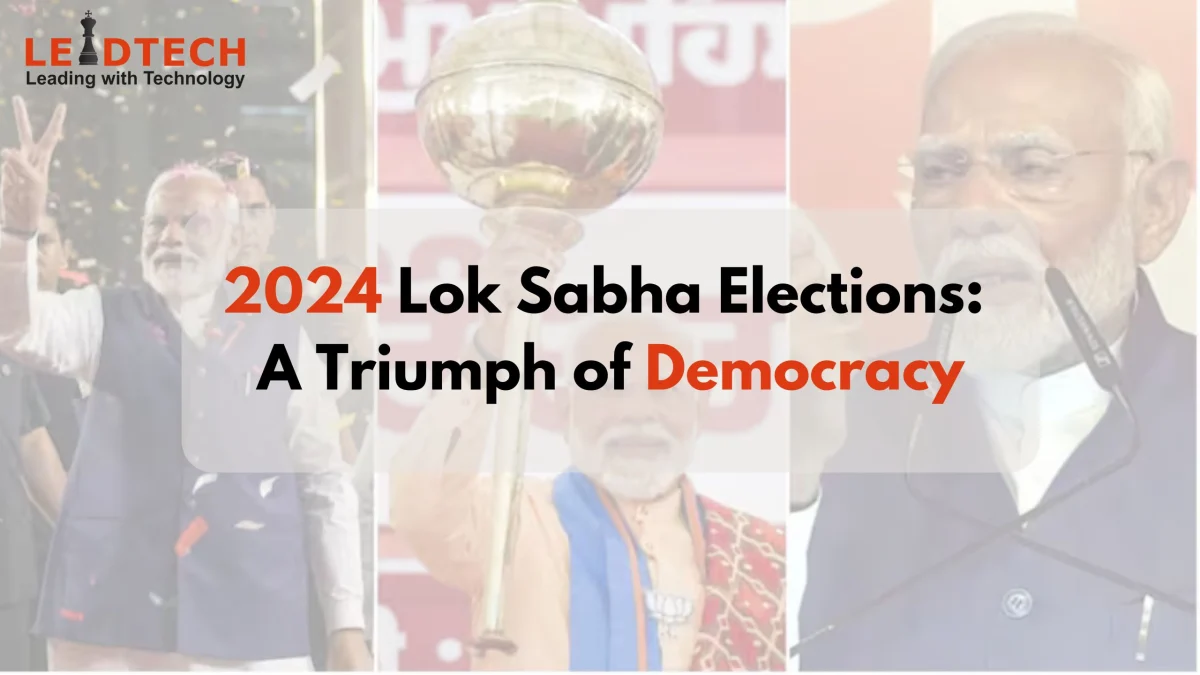
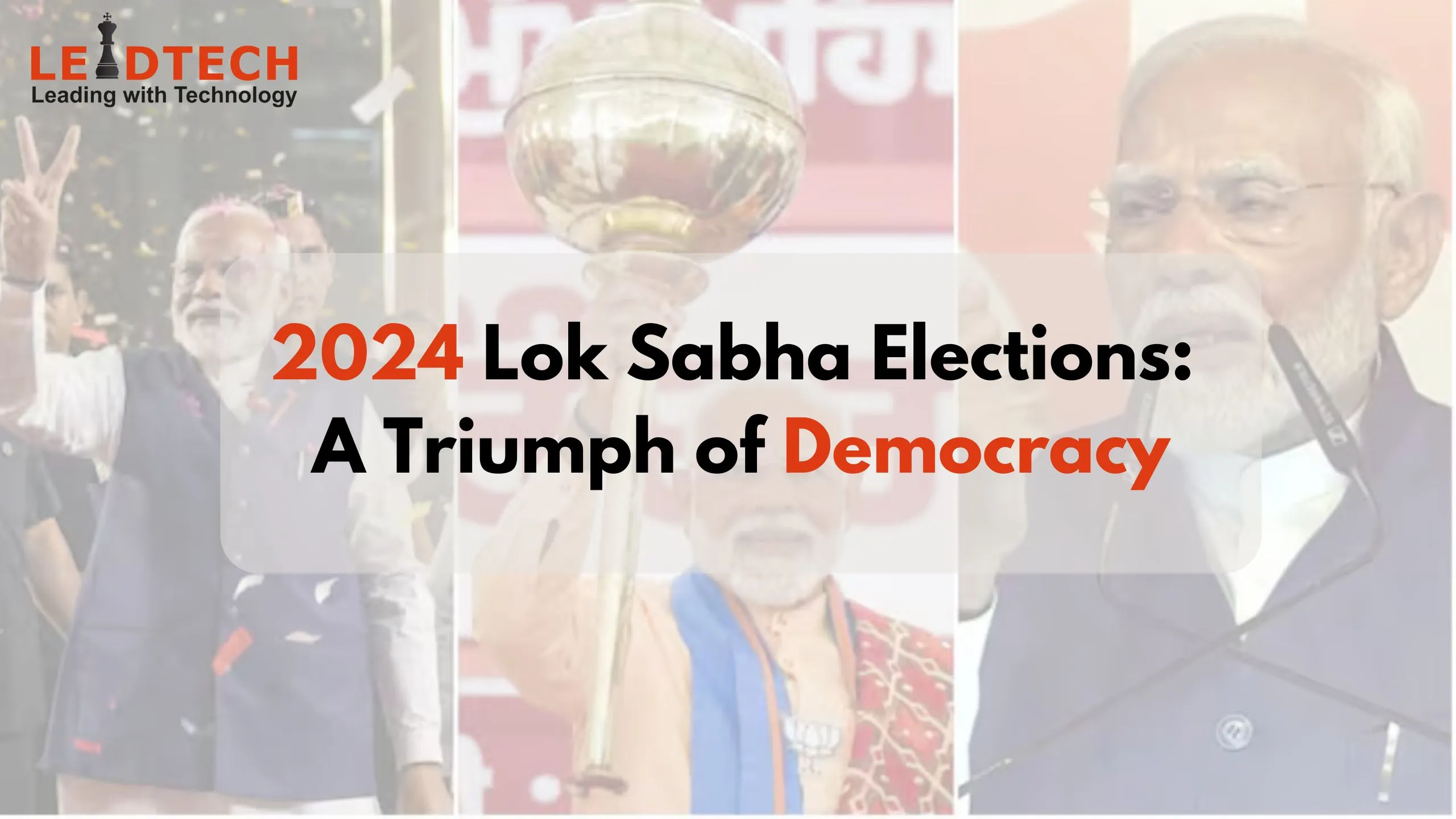
India, known as the world’s biggest democracy, recently held its biggest event – the Lok Sabha elections in 2024. These elections were like a thrilling movie with lots of unexpected twists and turns. On June 4th, 2024, everyone eagerly waited, glued to their seats, to see what would happen next.
543 Seats up for Grabs in Lok Sabha
There were 543 seats up for grabs in the Lok Sabha, where the people of India directly chose their leaders. The ruling Bhartiya Janata Party (BJP) won the most seats, getting 240 in total. But they didn’t have an easy time winning. The Indian National Congress (INC), which has been around for a long time, also did well. They won 99 seats and became the main opposition party again. This was a big deal for them and showed that they still have a strong presence in Indian politics.
Different regions of India also had their own winners. In Uttar Pradesh, the Samajwadi Party (SP) won 37 seats, while in West Bengal, the All India Trinamul Congress (TMC) won 29 seats. The Janata Dal (United) got 12 seats in Bihar, and the Shiv Sena (UBT) in Maharashtra also won 9 seats.
Regional Dynamics and Diverse Political Representation in the 2024 Lok Sabha Elections
In South the Telugu Desam Party (TDP) in Andhra Pradesh got 16 seats, the Dravida Munnetra Kazhagam (DMK) won 22 seats in Tamil Nadu showing their popularity in the region. Even smaller parties like the Lok Janshakti Party (LJP) and Left parties like CPI(M), CPI, and CPI(ML) Liberation got 5,4,2,2 seats respectively, adding to the diversity of voices in the Lok Sabha.
When all the votes were counted, the National Democratic Alliance (NDA) got the most seats overall, with 293 in total, INDIA is at 232 seats and Others in 18 seats. But in Indian politics, things can change quickly, so nothing is set in stone.
Now, everyone is waiting to see what will happen next on June 8th when the new government will be formed. The drama of Indian politics is far from over, and we’ll have to wait and see what twists and turns lie ahead. But one thing is for sure – democracy in India is strong and will continue to thrive, driven by the voices of its people.
The politics of Haryana have been an interesting part of the Indian political landscape. Whether it’s the famous slogan ‘Aaya Ram, Gaya Ram’ which originated from the politics of Haryana or leading a protest against the government for the local demands.
The state, with 90 assembly seats, is a complicated puzzle of politics made up of aspirations, nationalism, caste dynamics, muscle power, regional parties, national parties, political dynasties, turncoats, and money power.
In the last 20 years, the BJP and INC have held power; both have served for 10–10 years continuously, while local parties like JJP and INLD also had their say and were active on regional issues.
The Story of Haryana becoming a State
After the 1857 uprising, the British government perceived the Haryanvis as rebellious and decided to merge the region with Punjab as a punishment, to marginalize them politically and developmentally. As the Quit India movement gained momentum in the 1940s, the demand for a separate Haryana state was also advocated by the local leaders.
After the Independence of India, Haryana remained a part of Punjab for a long time, and on November 1, 1966, Haryana was declared a separate state on the basis of development, linguistic, and cultural differences. Leaders like Chaudhary Devi Lal championed the cause.
Politics Since Statehood (1966-2024):
After the formation of the state, from time to time, Haryana witnessed many parties forming governments in the state and sharing power, while the INC remained the most dominant party for decades, with heavy-weight leaders like Late. Bhajan Lal Bishnoi or Late. Bansi Lal, who later founded the Haryana Vikas Party.
The INC’s dominance in Haryana was first challenged by the former deputy prime minister and former Chief Minister, Late. Devi Lal, under the banner of the Janata Party, and then again under the banner of the Janata Dal. He was then succeeded by his son, Om Prakash Chautala, who went on to become the chief minister of Haryana four times and founded the Indian National Lok Dal in 1996.
In the 2000 assembly election, under the leadership of O.P. Chautala, the INLD formed the government by swiping 47 assembly seats.
INC’s Bhupinder Singh Hooda went on to become chief minister of Jatland for two straight terms, from 2005 to 2014.
In 2014, the BJP, for the very first time, managed to form the government in Haryana, and surprisingly, Manohar Lal Khattar, a non-Jat, became the CM of Haryana.
Manohar Lal Khattar, in 2019, became the chief minister again for the second time with the support of post-poll alliance with the JJP and on March 12, 2024, he was succeeded by Nayab Singh Saini of BJP.
Current Political Scenario:
In the 2019 assembly election, the BJP formed the government with the support of the JJP. As the BJP only got 40 seats and to form a government, it required 45 seats, the JJP’s Dushyant Chautala extended his support to the BJP and became the deputy chief minister of Haryana.
Recently, the BJP-JJP post-election alliance broke out over seat-sharing for the Lok Sabha election. In addition, the BJP removed Manohar Lal Khattar and appointed Nayab Singh Saini as the new Chief Minister of the State who comes from OBC community. Approximately 40% of people in the State are OBCs.
In the current scenario, the BJP will need the support of 44 MLA to prove its majority in 87 member house of the Haryana legislative Assembly. Since the BJP is at 42 after the death of the Badshahpur MLA who backed it, the opposition is getting ready for another round of “pressure” for a floor test.
Upcoming Assembly Election:
While all this political turmoil is going on, the assembly elections of Haryana are not far away. The current term of the Legislative Assembly is set to end on November 3, 2024. Although the precise election date is yet unknown, the ECI estimates that the Haryana Assembly Elections of 2024 would probably happen in October or earlier.
India has a vibrant democracy, where every citizen holds the power to shape the country’s destiny through their vote. Political campaigns play a pivotal role in shaping their opinion and swaying electoral outcomes. As the 2024 Lok Sabha elections loom large on the horizon, political parties are gearing up for a battle of ideologies, strategies, and promises. And, in this dynamic landscape, masterful lok sabha election preparations through effective election campaign management will define the path to success, both at the national and state levels.
Setting the Stage for Victory
The Lok Sabha, or the House of the People, is the cornerstone of India’s parliamentary democracy. With 543 constituencies spread across the length and breadth of the country, winning the Lok Sabha elections requires meticulous planning, extensive groundwork, and a deep understanding of local dynamics.
1. Crafting a Compelling Narrative
Lok sabha election preparations include charting a plan for campaign management. Every successful campaign begins with a compelling narrative that resonates with the aspirations and concerns of the electorate. From economic development to social justice, and from national security to grassroots empowerment, political parties must articulate a vision that strikes a chord with voters across diverse demographics.
2. Harnessing Technology and Data Analytics
In an era defined by digital connectivity, harnessing the power of technology and data analytics can provide a decisive edge in electoral campaigns. From targeted social media outreach to predictive analytics for voter behavior, leveraging cutting-edge tools can amplify the reach and impact of a party’s message.
3. Building a Strong Ground Game
While digital outreach is indispensable, the importance of a robust ground game cannot be overstated. From door-to-door canvassing to organizing grassroots rallies and meetings, connecting with voters at the grassroots level forms the bedrock of a successful campaign strategy.
4. Coalition Building and Alliances
In the complex mosaic of Indian politics, coalition building and alliances often hold the key to electoral success. By forging strategic partnerships with like-minded parties and stakeholders, political outfits can consolidate their support base and maximize their electoral prospects.
Complete Election Campaign Management
Beyond the Lok Sabha election preparation, the battleground of Indian politics extends to the state assemblies, where regional dynamics, local issues, and regional identities shape electoral outcomes. Mastering the intricacies of complete election campaign management is essential for navigating this diverse landscape.
1. Curating Strategies for Assembly Elections:
Unlike the national canvas of the Lok Sabha elections, assembly elections demand a nuanced approach tailored to the specificities of each state. From understanding regional aspirations to addressing local grievances, crafting a customized campaign strategy is imperative for success.
2. Mobilizing Grassroots Support:
In state assembly elections, the role of grassroots mobilization assumes paramount importance. By empowering local leaders, mobilizing volunteers, and galvanizing community support, political parties can establish a formidable presence at the grassroots level, which is often the deciding factor in closely contested races.
3. Effective Communication and Messaging:
Communication is the lifeblood of any political campaign, and effective messaging can make all the difference in swaying public opinion. Whether it’s through persuasive speeches, resonant slogans, or visually impactful campaign materials, conveying a compelling message is essential for winning hearts and minds.
4. Continuous Monitoring and Adaptation:
In the fast-paced arena of electoral politics, agility and adaptability are indispensable virtues. By continuously monitoring voter sentiment, tracking emerging trends, and recalibrating strategies in real-time, political parties can stay ahead of the curve and seize opportunities as they arise.
How to Win an Assembly Election?
While the path to victory in assembly elections may vary from state to state, certain timeless principles remain universally applicable. By heeding these lessons from the trenches, political parties can enhance their electoral prospects and chart a course toward success.
1. Connect with the Grassroots
Assembly elections are won and lost on the strength of grassroots connections. By listening to the pulse of the people, addressing their concerns, and championing their aspirations, political parties can forge an enduring bond of trust with the electorate.
2. Embrace Inclusivity and Diversity
India is rich in cultures, languages, and identities, and successful political campaigns must reflect this rich tapestry of diversity. By embracing inclusivity, fostering dialogue, and accommodating diverse perspectives, political parties can build broad-based coalitions that transcend narrow divides.
3.Focus on Delivering Results
Ultimately, electoral success hinges on the ability to deliver tangible results that improve the lives of citizens. By focusing on governance, development, and inclusive growth, political parties can earn the trust and confidence of the electorate, laying the foundation for sustained electoral success.
The Final Word
Election campaign management is an ongoing journey marked by masterful lok sabha election preparations, innovation, adaptability, and resilience. Whether it’s the high-stakes arena of the Lok Sabha elections or the intricate dynamics of state assemblies, political parties must harness the power of technology, mobilize grassroots support, and communicate effectively to emerge victorious. Finally, as we know Lok Sabha elections will be held in different states including Lok Sabha Elections in Madhya Pradesh 2024, Rajasthan, and Chhattisgarh, working with a leading political campaign manager like Leadtech can make all the difference. Connect with Leadtech today and emerge victorious in Lok Sabha Elections 2024.
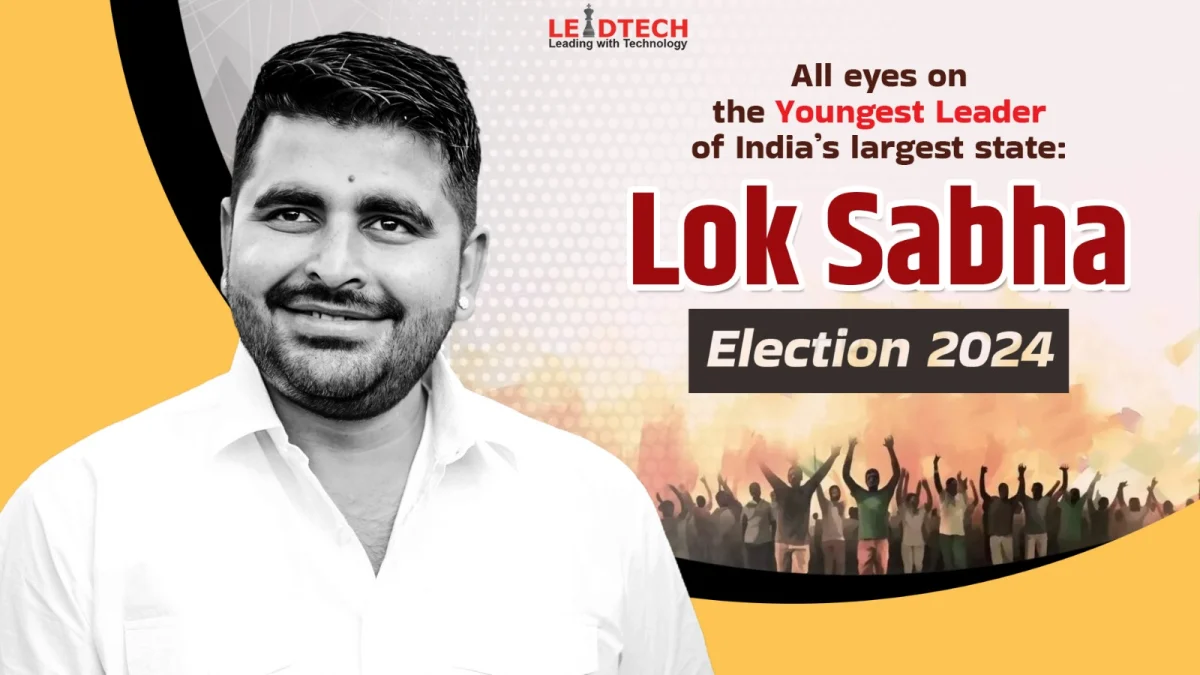
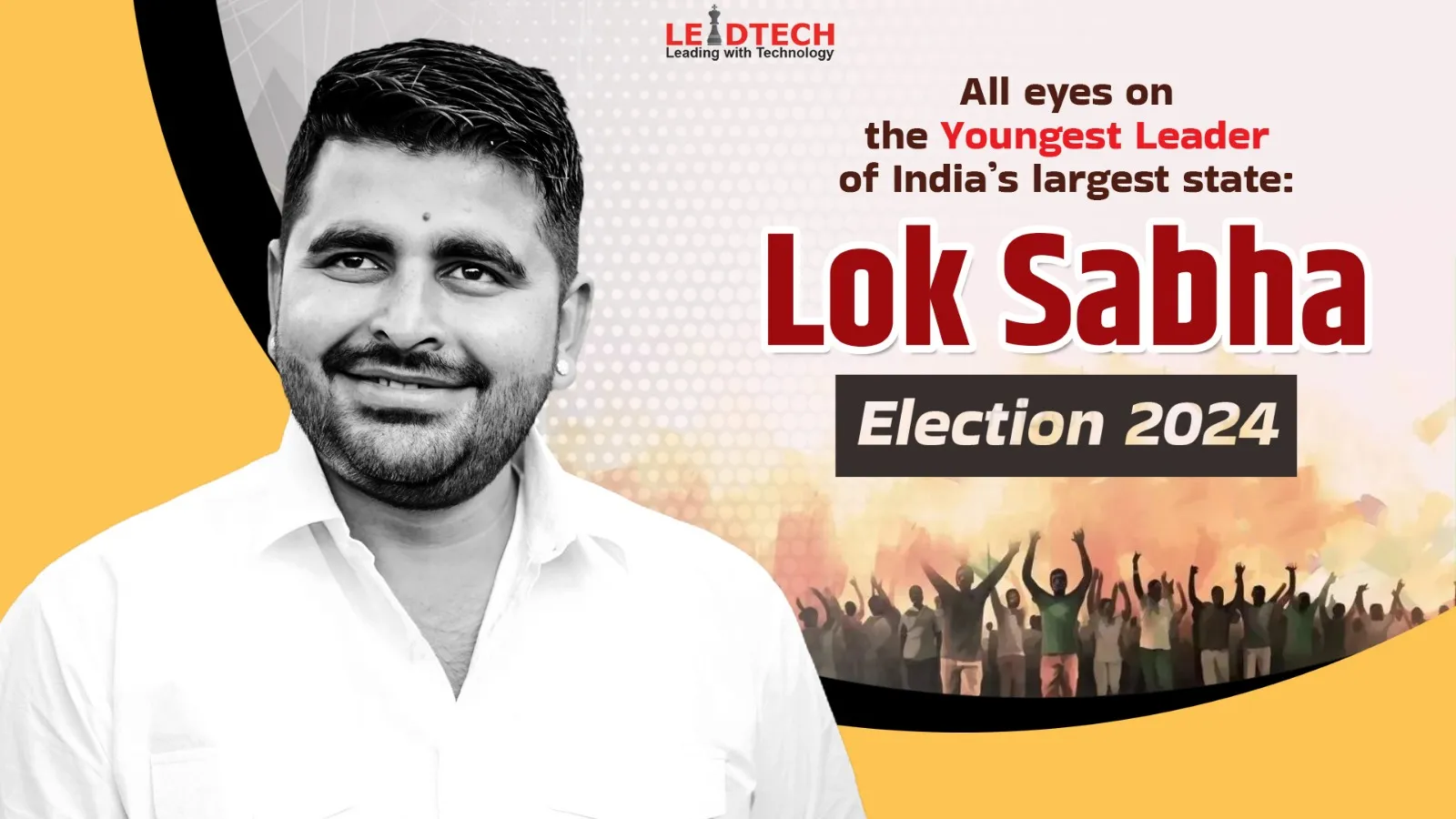
As the second phase of the Indian general election approaches, all eyes are on Barmer Lok Sabha constituency, where the youngest MLA of Rajasthan, 26-year-old Ravindra Singh Bhati, has entered the fray as an independent candidate. Ravindra Singh Bhati’s candidacy, from Barmer PC has garnered significant attention, making the electoral contest in the region even more compelling.
Who is Ravindra Singh Bhati?
Hailing from a non-political background, Ravindra Bhati has emerged as a notable figure in Rajasthan’s political landscape. At just 26 years old, he made history as the youngest MLA in the Rajasthan assembly after winning the 2023 assembly election from the Sheo assembly constituency. Defying the odds and facing formidable opponents like Fateh Khan, Ameen Khan, and Swaroop Singh Khara, Bhati’s victory marked a significant milestone as a first-generation politician.
Bhati’s charismatic presence and ability to draw crowds of thousands with his famous rallying cry, “Laatha rahiya” (stay strong), have earned him comparisons to stalwart politicians like Sachin Pilot and Prime Minister Modi. His knack for connecting with the masses underscores his growing influence and appeal among voters across Rajasthan.
Despite his rapid rise in politics, Bhati remains grounded in his roots. His father, Shaitan Singh Bhati, serves as a school teacher, while his mother, Ashok Kanwar, is a dedicated homemaker. Their humble background reflects Bhati’s commitment to serving his community and advocating for the issues that matter most to the people of Rajasthan.
As Ravindra Singh Bhati continues to chart his political path, his journey exemplifies the power of determination, grassroots support, and the potential for change that resonates deeply with the people he represents.
Student Politics:
Ravindra Singh Bhati’s candidacy in the upcoming election isn’t his first venture into independent politics. During his college years at Jai Narain Vyas University (JNVU), Jodhpur, Bhati was an active member of the ABVP and delved into student politics. His journey began when he sought a ticket for the college presidency from the ABVP. However, when the organization denied him the ticket, Bhati decided to contest independently. His bold move paid off as he clinched victory, becoming the inaugural independent student union president in JNVU’s 57-year history.
Bhati’s fame doubled due to his unwavering advocacy for student rights. He fearlessly led protests and even faced imprisonment for his staunch stance against stakeholders infringing upon students’ rights, whether it was addressing fee issues or navigating the challenges posed by the Covid-19 pandemic. Throughout, Bhati remained actively engaged on the ground, rallying support and building his team across the state.
Now, as he steps onto the broader political stage, Ravindra Singh Bhati’s journey from student activism to a candidate in the Barmer Lok Sabha constituency underscores his commitment to grassroots issues and his ability to mobilize support for change.
2023 Assembly Election:
Sheo AC is dominated by the Rajputs and Muslim communities, while the SC community stands third.
● INC: The electoral landscape was marked by a tense contest between Ameen Khan, the INC MLA, and Fateh Khan, an independent candidate and former district president of the Indian National Congress, both representing the Muslim community’s interests.
Fateh Khan’s decision to contest independently stemmed from the INC’s choice to field Ameen Khan again, leaving many in the Muslim community torn between the two candidates. This split in Muslim votes created uncertainty among voters about whom to support, intensifying the electoral competition in Sheo AC.
As Fateh and Ameen Khan vied for support within the Muslim community, the dynamics of the election highlighted the complexities of local politics and the challenges of navigating competing interests.
● BJP: Ravindra Bhati’s political journey has been marked by his affiliations with organizations like the RSS and ABVP, indicating his ideological leanings towards the BJP. Prior to the 2023 assembly elections in Rajasthan, Bhati publicly acknowledged his alignment with the BJP. Anticipating a ticket from the party, he formally joined the BJP ranks. However, his hopes were dashed when the BJP instead chose Swaroop Singh Khara, then the district president of Barmer, as its candidate for the Sheo assembly constituency.
Feeling betrayed by the party’s decision despite his allegiance, Bhati swiftly resigned from the BJP just a week after joining and decided to contest the election independently. This move sparked rumors among locals and supporters, with some speculating that influential figures like Gajendra Singh Shekawat might have played a role in denying Bhati a ticket to prevent him from potentially overshadowing their leadership in the region.
Despite the hurdles and challenges, Bhati remained undeterred and entered the electoral fray as an independent candidate. In a closely contested battle, he emerged victorious, securing the seat against tough competition from another independent leader, Fateh Khan, with a narrow margin of approximately 4,000 votes.
2024 Lok Sabha Election:
The 2024 Lok Sabha election in Barmer is shaping up to be fiercely contested, with the emergence of Ravindra Singh Bhati as a key player shaking up the political landscape. Both the BJP and INC are facing formidable challenges, largely due to Bhati’s disruptive presence, which has kept their star campaigners on edge.
Bhati’s potential to sway the Rajput community away from the BJP, traditionally seen as its loyal vote bank, adds another layer of complexity to the electoral dynamics. The Rajput community’s discontent with the BJP’s political strategies has become increasingly evident through protests and agitation, signaling a significant shift in their allegiance.
In the 2024 election, Bhati is fighting against the BJP’s Kailash Choudhary and Congress’ Umeda Ram Beniwal, both representing the influential Jat community, a crucial vote bank in Barmer. Local observers anticipate a split in the Jat vote between the two parties, potentially creating an opening for Bhati to secure victory once again as an independent candidate.
Bhati’s appeal transcends his Rajput roots, with supporters hailing him as a leader representing the interests of the “36-kom” or “36-communities.” His ability to unite diverse groups under a common banner underscores his broad-based support and grassroots appeal.
The electoral contest in Barmer has become triangular, with Bhati challenging Union Minister Kailash Choudhary from the BJP and Ummeda Ram from the Congress, who recently joined the party after leaving the RLP.
As the election approaches, the dynamics of Barmer’s political landscape continue to evolve, with Bhati’s candidacy injecting a fresh sense of unpredictability into the race.
Analytical Prediction:
According to Leadtech’s analysis, the independent candidate Ravindra is projected to win the 2024 election with approximately ~45% of the vote share. Following closely behind, the INC’s candidate Ummeda Ram is expected to secure around ~30% of the vote share, while the BJP’s candidate, Kailash Choudhary, is forecasted to come in third with approximately ~20% of the vote share.
In conclusion, Ravindra Singh Bhati’s meteoric rise from student activism to becoming the youngest MLA in Rajasthan and now a formidable independent candidate in the Barmer Lok Sabha election reflects the changing dynamics of Indian politics. His ability to mobilize diverse communities and challenge established party lines has injected unprecedented excitement and unpredictability into the electoral contest. As the 2024 Lok Sabha election approaches, all eyes are on Barmer, where Bhati’s candidacy promises to reshape the region’s political landscape. With analytical predictions favoring his victory, Bhati’s journey exemplifies the power of grassroots support and the potential for change in India’s largest state.
In the dynamic landscape of Indian politics, understanding voter demographics and trends is crucial for political parties to tailor their campaigns effectively. With a diverse electorate comprising various demographic segments and evolving preferences, parties must navigate intricate dynamics to secure electoral success.
Let’s delve into the analysis of voter demographics and trends based on past elections and current polling data, shedding light on key segments that parties should target and emerging voter preferences.
Youth Power:
India’s youth demographic, defined as voters between the ages of 18 and 35, constitutes a significant electoral force. With over 600 million individuals in this age group, their voting preferences can sway election outcomes. Past elections have shown a growing inclination among young voters toward issues like employment opportunities, education, and social justice.
Targeting Rural Heartlands:
India’s rural population continues to wield considerable electoral influence, with over 65% of the electorate residing in rural areas. Parties must address rural concerns such as agriculture, infrastructure development, and access to basic amenities to resonate with voters in these heartlands. Moreover, initiatives like the Pradhan Mantri Gram Sadak Yojana (PMGSY), Mahatma Gandhi National Rural Employment Guarantee Act (MGNREGA), and Pradhan Mantri Awas Yojana (PMAY) have gained traction among rural voters, signaling their importance in political campaigns.
Urban Dynamics:
India’s urban centers, characterized by rapid urbanization and a burgeoning middle class, present a unique set of challenges and opportunities for political parties. Issues like urban infrastructure, pollution, healthcare, and employment resonate strongly with urban voters. Moreover, the youth and tech-savvy urban population is increasingly influenced by digital media and social networking platforms, making digital campaigning essential for parties vying for urban votes.
Meme Culture:
In recent years, meme culture has become a potent force in shaping political discourse, especially among young voters. Memes, often humorous and satirical, have become a popular medium for political commentary and criticism. Parties that embrace meme culture and engage with it creatively can effectively reach out to young, digitally-savvy voters and inject humor into their campaigns while conveying their message.
Regional Diversity:
India’s vast and diverse geographical landscape is reflected in its regional political dynamics. Each state and union territory has its unique socio-cultural fabric and political priorities, necessitating region-specific campaign strategies. For instance, parties must factor in regional identities, language preferences, caste dynamics, and local issues while crafting their messaging and policy agenda.
Emerging Voter Preferences:
Current polling data suggests several emerging voter preferences that parties should take into account:
Performance-Based Governance: Voters are increasingly demanding performance-based governance, focusing on issues like infrastructure development, healthcare, and education outcomes.
Transparency and Accountability: There’s a growing emphasis on transparency and accountability in governance, with voters holding parties and politicians accountable for their promises and actions.
Social Welfare Schemes: Government welfare schemes like the Pradhan Mantri Jan Dhan Yojana (PMJDY), Ayushman Bharat, and Ujjwala Yojana have garnered widespread support among voters, especially in rural and marginalized communities.
Conclusion:
In conclusion, understanding voter demographics and trends is paramount for political parties seeking electoral success in India. By analyzing past elections and current polling data, parties can identify key voter segments, tailor their campaign strategies, and address emerging preferences effectively. From youth empowerment to rural development and regional dynamics, parties must navigate through diverse challenges and opportunities to connect with voters and secure their mandate in the vibrant democracy of India.
For more political updates and trends, Read Leadtech blog.
Party IT cell workers are discreetly sitting in war rooms, reaching out to millions through social media. At the same time, political leaders vie to mobilize the electorate through on-the-ground campaign activities, including massive rallies, party booths on the streets, and door-to-door canvassing.
During the 2019 Lok Sabha election, India, the world’s largest democracy, saw intense social media campaigning. Political parties in the US, UK, and Europe have taken advantage of every opportunity of the fast-paced growth of Internet Communication Technologies (ICTs) and social media in the present ‘fourth era of political communication’. Political parties in India began using social media management for Lok Sabha elections to connect with voters during the 2004 election. Still, with increased accessibility following the 2014 national election, they were able to do so more successfully.
Making The Best Of Social Media Management For Lok Sabha Elections
It is believed that the Bharatiya Janata Party (BJP) is a leader in strategically using social media and television for political communication. For example, when televisions became commonplace household goods, the BJP party allegedly used entertainment programs to mobilize the electorate through television culturally. Even though ICTs were labelled as elite and urban, the BJP was the first in India to use the Internet and social media during the 2014 national election.
However, research suggested that some of the BJP’s success—which included an absolute majority- was partly attributable to its more elite and urbanized internet marketing during the 2024 Lok Sabha election preparation, which will take place twenty years later. 2014 was an important year when social media management for the Lok Sabha Elections came in handy.
When combined with messaging apps like WhatsApp and social networking sites like Facebook, Instagram, Threads, and X, digital campaigning has shown to be a successful strategy for electorate mobilization and election victory. For example, the BJP declared in the lead-up to the 2014 election that roughly 160 of the 543 constituencies were appropriate for using a digital campaign strategy, and the BJP won these digital constituencies.
Thus, it was inevitable that other political parties would jump on the bandwagon and develop social media management for Lok Sabha elections and upcoming state elections.
Rise During the Pandemic
Social media also played a crucial role during the pandemic. Politicians relied heavily on social media platforms to communicate with their constituents and the general public. Even, the elections in several Indian States during 2021 and 2022 were held digitally.
Additionally, since the Indian Election Commission limited physical rallies, political parties were held back and resorted to social media for promotions. BJP, the ruling party had turned to digital media during the Uttar Pradesh, Uttrakhand, Himachal Pradesh and Gujarat Assembly elections. As per Amit Malaviya(BJP’s IT Cell Head), the Prime Minister addressed several virtual rallies that saw huge participation as well. These virtual rallies were also conducted during the assembly elections in Bihar and West Bengal. The social media team had reached out to the people through songs, slogans, cartoon videos and pictures on social media.
Speaking of the opposition parties, the INC, the Samajwadi Party, the BSP, and AAP, several virtual rallies were organized in UP during the assembly elections. All of these parties having recognized the importance of social media, ran multiple campaigns to woo voters.
Media and Political Campaigns
In India, campaign communication—the process by which political parties interact with the public during an election—is at the heart of political communication study. Research on Indian elections covers overall vote share, voter turnout, policy implications, demographics, economics, health, corruption, particular elections, campaign tactics, media coverage, and more. Research on political campaigns indicates that after the 2014 election, social media became a major focus of campaign tactics.
Traditionally, formal party activities such as rallies, speeches, policies, manifestos, door-to-door canvassing, party booths, posters, and billboards on the streets have all been a component of campaign communication. But these days, a leader or a party’s message on Facebook or Twitter also counts as formal political communication.
Political parties and leaders in India now have a much stronger online presence because of this shift; for instance, just before the house was dissolved, over 70% of MPs in the 16th Lok Sabha had a Twitter account. Research on political communication and technology advancements repeatedly demonstrates that political parties adjust to change.
Though they are created through a dynamic process, campaign plans may seem arbitrary because of political changes and things that happen in the lead-up to the election. Rather than a unified, nationwide policy, each party implements a customized, multi-level approach that considers local circumstances. When it comes to using technology for electoral campaigning, the BJP is the early adopter.
Consequently, due to Lok sabha election preparation, numerous political parties searched for campaign strategists and established their social media divisions. According to a BJP response, the JDS and INC hired a lot of social media strategists and campaigners who had previously worked for the BJP in the 2014 election.
Conclusion
The internet and social media can have a coupling effect, enhancing the current campaigning system and increasing the campaign message’s reachability among voters. But it is exceedingly implausible to argue that social media alone, as an autonomous system, can win elections in India. Year after year, growth in internet usage points to more social media management for Lok Sabha elections. Everybody consumes the information, but few genuinely challenge it. It is imperative to foster critical thinking skills and an attitude of inquiry, given the likelihood of increased efforts in the future to translate local to national campaign narratives.