
Categories
About Leadtech Election Indian political news Political research

Political Campaign Roadmap Using Indian Voter Demographics & Trends

In the dynamic landscape of Indian politics, understanding voter demographics and trends is crucial for political parties to tailor their campaigns effectively. With a diverse electorate comprising various demographic segments and evolving preferences, parties must navigate intricate dynamics to secure electoral success.

Let’s delve into the analysis of voter demographics and trends based on past elections and current polling data, shedding light on key segments that parties should target and emerging voter preferences.

Youth Power:

India’s youth demographic, defined as voters between the ages of 18 and 35, constitutes a significant electoral force. With over 600 million individuals in this age group, their voting preferences can sway election outcomes. Past elections have shown a growing inclination among young voters toward issues like employment opportunities, education, and social justice.

Targeting Rural Heartlands:

India’s rural population continues to wield considerable electoral influence, with over 65% of the electorate residing in rural areas. Parties must address rural concerns such as agriculture, infrastructure development, and access to basic amenities to resonate with voters in these heartlands. Moreover, initiatives like the Pradhan Mantri Gram Sadak Yojana (PMGSY), Mahatma Gandhi National Rural Employment Guarantee Act (MGNREGA), and Pradhan Mantri Awas Yojana (PMAY) have gained traction among rural voters, signaling their importance in political campaigns.

Urban Dynamics:

India’s urban centers, characterized by rapid urbanization and a burgeoning middle class, present a unique set of challenges and opportunities for political parties. Issues like urban infrastructure, pollution, healthcare, and employment resonate strongly with urban voters. Moreover, the youth and tech-savvy urban population is increasingly influenced by digital media and social networking platforms, making digital campaigning essential for parties vying for urban votes.

Meme Culture:

In recent years, meme culture has become a potent force in shaping political discourse, especially among young voters. Memes, often humorous and satirical, have become a popular medium for political commentary and criticism. Parties that embrace meme culture and engage with it creatively can effectively reach out to young, digitally-savvy voters and inject humor into their campaigns while conveying their message.

Regional Diversity:

India’s vast and diverse geographical landscape is reflected in its regional political dynamics. Each state and union territory has its unique socio-cultural fabric and political priorities, necessitating region-specific campaign strategies. For instance, parties must factor in regional identities, language preferences, caste dynamics, and local issues while crafting their messaging and policy agenda.

Emerging Voter Preferences:

Current polling data suggests several emerging voter preferences that parties should take into account:

  • Performance-Based Governance: Voters are increasingly demanding performance-based governance, focusing on issues like infrastructure development, healthcare, and education outcomes.
  • Transparency and Accountability: There’s a growing emphasis on transparency and accountability in governance, with voters holding parties and politicians accountable for their promises and actions.
  • Social Welfare Schemes: Government welfare schemes like the Pradhan Mantri Jan Dhan Yojana (PMJDY), Ayushman Bharat, and Ujjwala Yojana have garnered widespread support among voters, especially in rural and marginalized communities.

Conclusion:

In conclusion, understanding voter demographics and trends is paramount for political parties seeking electoral success in India. By analyzing past elections and current polling data, parties can identify key voter segments, tailor their campaign strategies, and address emerging preferences effectively. From youth empowerment to rural development and regional dynamics, parties must navigate through diverse challenges and opportunities to connect with voters and secure their mandate in the vibrant democracy of India.

For more political updates and trends, Read Leadtech blog.
Categories
Assembly Election Election News

BJP in Southern India

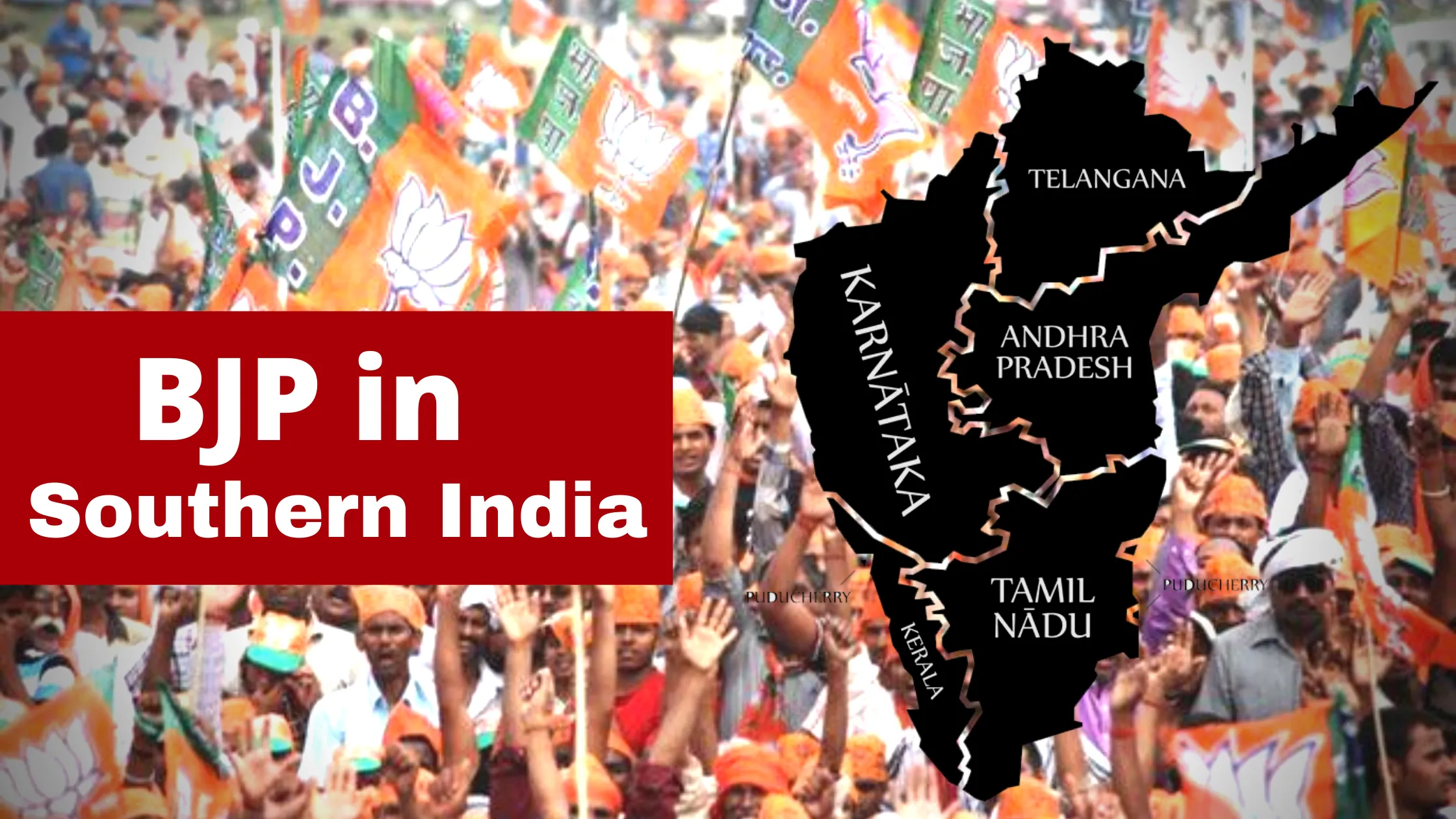
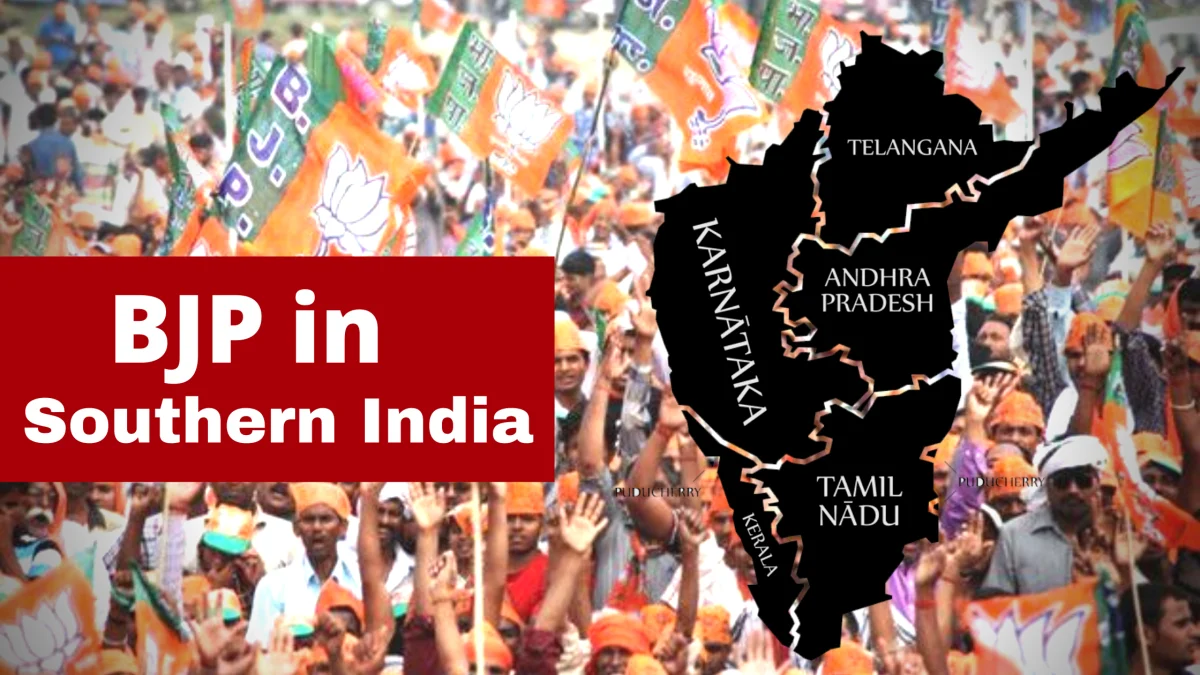
BJP in Southern IndiaThe 2008 Karnataka Legislative Assembly Election served as Bhartiya Janata Party’s gateway to southern India where, for the first time, the party formed government despite not winning a clear majority.  Since then, the party has effectively consolidated a dedicated voter base in most of the adjoining states with the exception of Kerala where the Left Democratic Front and the Congress party have managed retained power.
One of the prime reasons behind the saffron surge down south is the dwindling hold of regional parties over traditionally held constituencies. Parties like AIADMK, Telangana Rashtra Samithi, Telugu Desam Party, Yuvajana Sramika Rythu Congress Party, and Janata Dal (Secular), which have long enjoyed cultural support in certain states owing to family fiefdoms, have been unable to sustain themselves over the years. This coupled with a unified awakening of Hindu consciousness in the southern region has sidelined party dynasties that have ruled Karnataka, Kerala, Tamil Nadu, and Andhra Pradesh for decades. Additionally, with a politically disintegrating Congress party, voters now look over to the BJP for economic growth and stability. The Bhartiya Janata Party has also, through the course of several election cycles, formed strategic alliances to come to power. An example of the same being the JDS-BJP alliance in the state of Karnataka.

Tracing the BJP’s trajectory in Kerala, the party has managed to establish a presence over the years. The Bhartiya Janata Party has substantially increased its vote share from 6.03% in the 2011 Legislative Assembly to 14.96% in the 2016 State Election. Keeping in line with its progress, the party won 15% of the votes in Kerala’s 2020 Civic Body Election. While it has not been able to form government in Kerala so far, the BJP is projected to win a substantial vote share in the upcoming election. Similarly, the party has been unable to win a single seat in the Union Territory of Puducherry, since its vote share has only gone up to 2.4%. The nominations of three MLAs from the Bhartiya Janata Party by the Centre in 2018 to the assembly sparked controversy which was quickly dispersed by the Madras High Court by upholding the Centre’s action. The party is expected to form a coalition with AIADMK in the upcoming election.

With the exception of Kerala and Puducherry, the BJP has practically taken over the southern states, projecting a unified front against politically endorsed regionalism which has served local parties for decades. The party’s stellar performance in the newly formed state of Telangana at the assembly and municipal level is a testament to their growing influence in South. Although the BJP’s seat share in Andhra Pradesh has dropped from 4 to none, the party has been able to establish a vote bank in the state given their strategic alliances with the existing regional parties. Similarly, in Tamil Nadu, the party has been observing a steady rise in popularity given their promises of fast paced economic development. While the Bhartiya Janata Party has not been able to solidify power in the southern states, it is in the process of doing so as a part of its expansionist agenda. The party attempts to unite a fragmented South under the banner of Hinduism and economic development.

Categories
Assembly Election Political research

Battle of West Bengal

West Bengal Election 2021

In an attempt to stir the political conscience of West Bengal, the All-India Trinamool Congress used the anti-industrial sentiments of the population as a campaigning tool in 2011. A decade later, the party’s aversion to fast-paced industrialization has landed it in murky waters. With the advent of formidable opposition, the 2021 West Bengal Legislative Assembly Election has proven to be diverse in terms of participation and campaigning issues, ahead of polling.

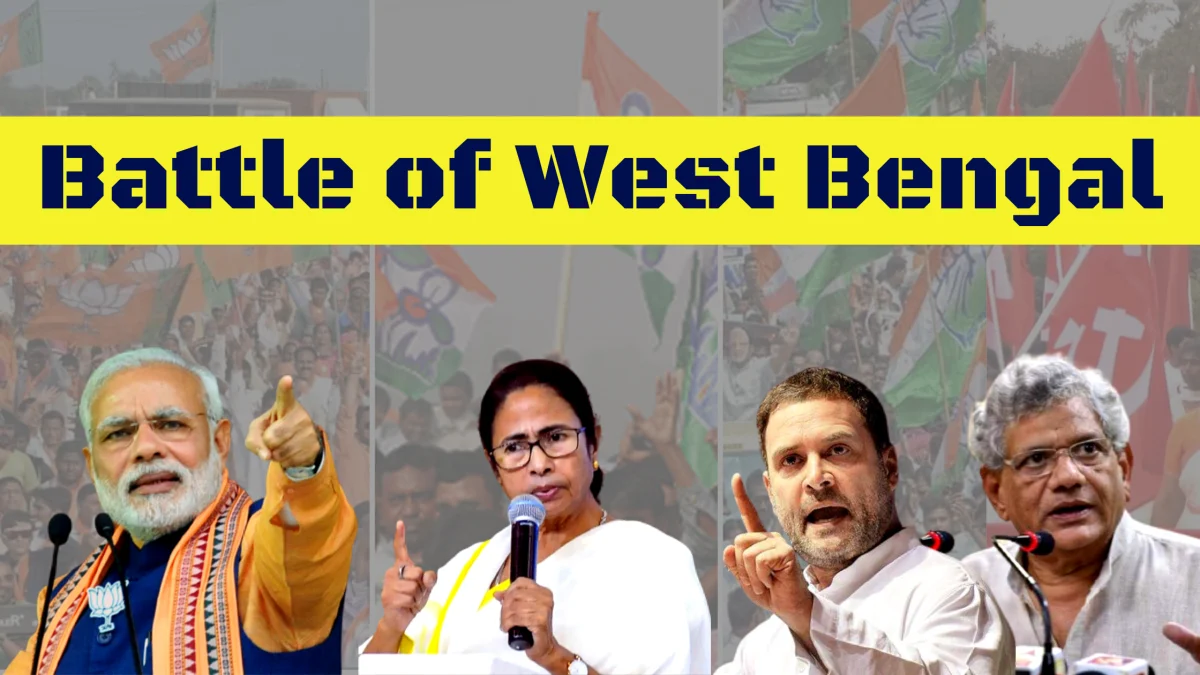
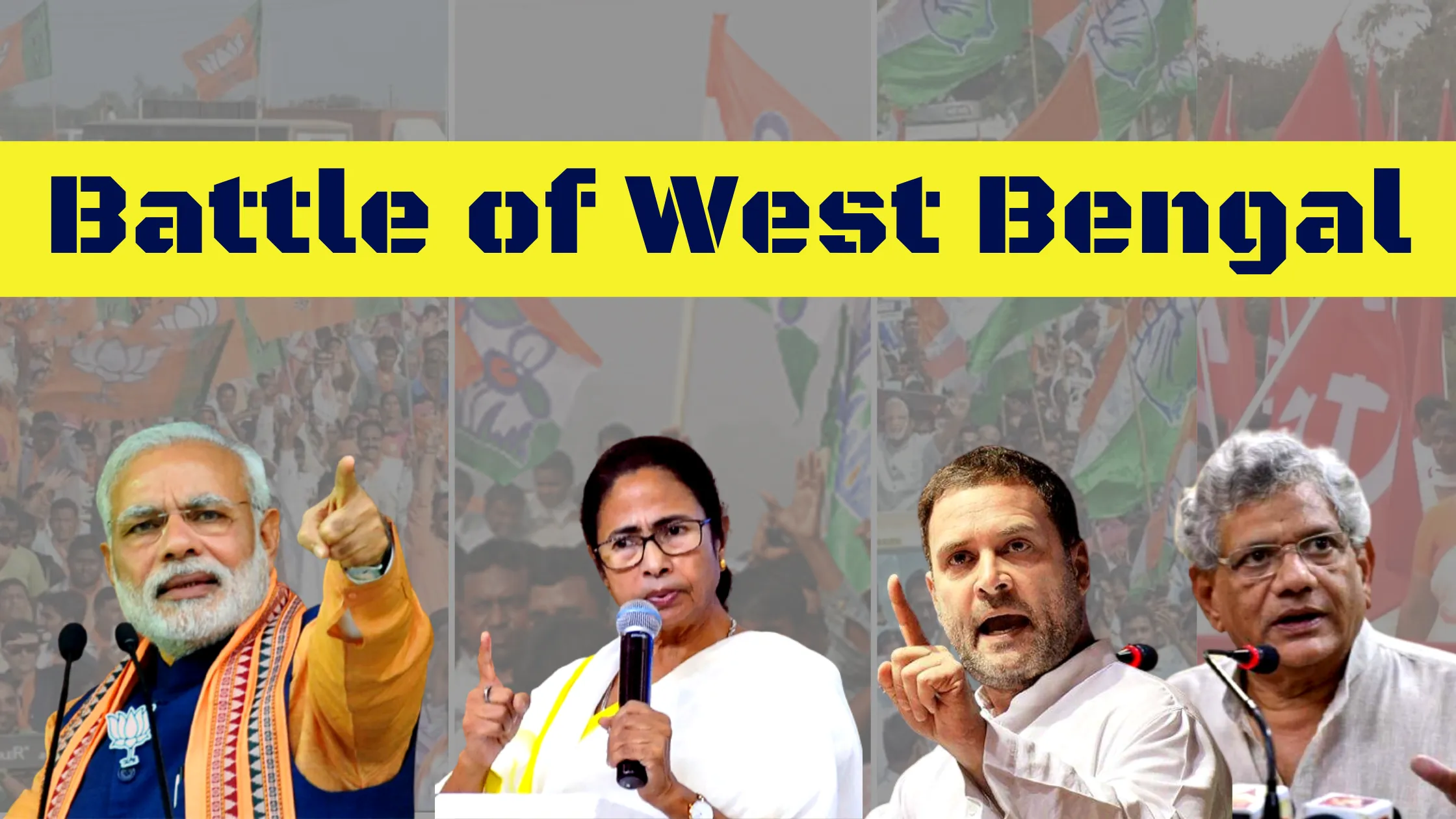
The major parties contesting election in 2021 include the All-India Trinamool Congress (Federal Front), the Indian National Congress along with Communist Party of India – Marxist (Mahajot) and the Bharatiya Janata Party. The Trinamool Congress has retained its approach of rolling out mass distributive and other policies right before election season. With policies like Swyastha Sathi, a healthcare initiative, and Duare Sarkarand, the party hopes to retain its voter base. Party leadership has also made use of the ‘othering’ approach to draw distinction between the BJP, a predominantly Hindu party, and homegrown TMC. The party has also sparing used the Citizenship Amendment Act to attack the BJP.

BJP alleges that the Trinamool Congress lacks vision for the state. The party promises more rapid industrialization and economic development in the state if voted to power. Additionally, the Bharatiya Janata Party has also employed use of phrases such as “Ebar Bangla, parle shamla” (Save Bengal this time) hinting at Mamata Banerjee’s strategy of minority appeasement and lack of good economic governance. The opposition, including the INC and CPI (M) along with the BJP have severely criticized Banerjee’s use of political violence to retain voter support.

In 2016 Legislative Assembly Election the primary campaigning issues used by the opposition were the Narada and Saradha scandals, lack of industrialization, and flaming of political violence by TMC. However, the party responded by introducing mass distributive schemes of grains and pulses for the poor and by restoring infrastructure across the state. Millions of minority students were handed out scholarships and the Muslim community was registered under the OBC category.

While political strategies change with every election cycle, their nature remains stagnant. Parties pick on each other’s shortcomings to secure their own vote bank. However, instances of violence close to elections have become more predominant in West Bengal with no solution in sight.

Categories
Assembly Election Election Political research Social Media Management

Digital Media Strategies in Political Campaign

Digital Media Strategies in Political Campaign

With the advent of digital media, the nature of political campaigning has changed over the years. Digital campaigning, at a national level, was first introduced by the Bharatiya Janata Party in the 2009 Lok Sabha Election. The 2014 Lok Sabha Election was a testament to the same where the BJP, with its dedicated social media campaigning, took the country by storm. Since then parties across the country have been drifting away from more traditional structures of reaching out to their audience and have started embracing digital campaigning.

Interactive Voice Response (IVR) has emerged as an effective tool to gather public opinion towards candidates. IVRs engage with voters through automated outbound calls and voters register their opinions by merely pressing a button on their phone. Additionally, bulk messages or blast messages also help candidates reach out to a wide audience and keep in touch with them. It is a one-way communicative channel that makes one-to-one communication easier. Furthermore, with a huge chunk of the population making use of WhatsApp, it also has come up as a platform for engagement by candidates through forwarded messages.

The most crucial element to digital campaigning is collating a specialized media team. The team creates content and engages with people for the candidate. Fundamentally, social media campaigns, across platforms, should appeal to a wide demographic. However, since most candidates have a target audience based on the nature of their policies, specialized ads for a targeted audience on certain social media platforms should also be a priority. Another important aspect of digital campaigning is personal engagement. This personal engagement, through live videos or tweets, should ideally be of positive nature with personal anecdotes.

It is also important for the campaign team to be consistent with their posting, whether it is on social media or a website made for the campaign. The goal of leaving an impact on people can be achieved by churning more graphic content with images, slogans, party/candidate symbols, colors, etc. in lieu of written content.

Hence, digital campaigning can help candidates reach out to a wider audience if used strategically. It is an attractive campaigning field since a lot of everyday discourse happens on the internet. Candidates can expand their voter base with the help of impactful targeted ad campaigns and change the course of the election.