
Categories
Door to door campaign

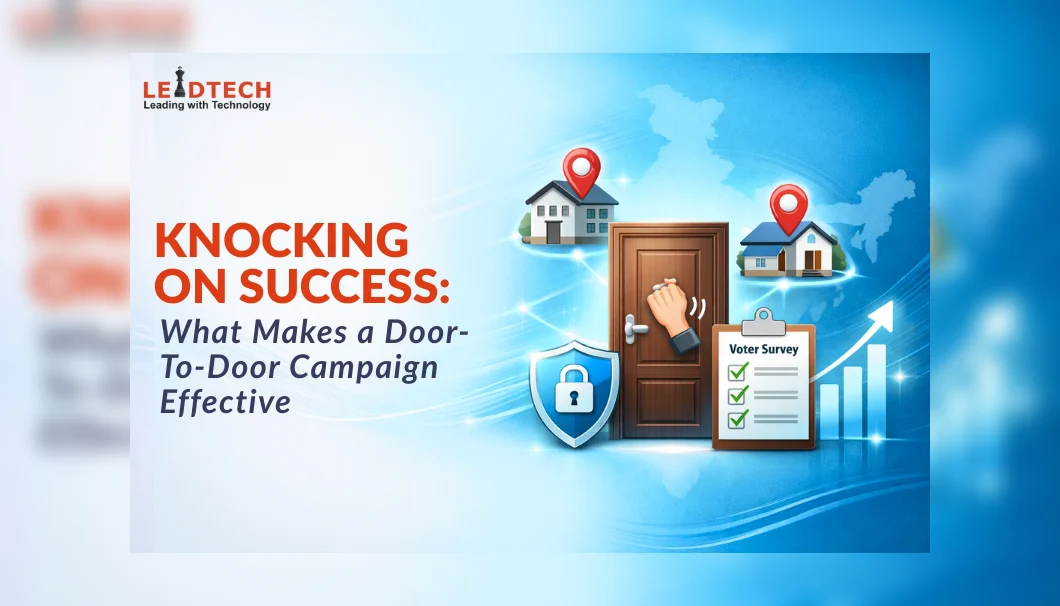
Knocking on Success: What Makes a Door-To-Door Campaign Effective

I. Introduction:
Door to Door campaigning is still one of the most important tools in political campaigns. In recent years digital media has gained prominence in voter outreach. However, direct interaction continues to play an important role at the grass root level as it influences opinions, builds trust and mobilises support. This type of campaign if executed in a well-planned manner will allow candidate to connect with voters at a personal level, understand local issues and deliver tailored message the resonate at ground level.

At Leadtech, door to door campaigning is well integrated with broader political campaign framework that combines ground-level outreach with advanced technology. By using data driven approaches and real time monitoring LeadTech assists political campaigns maximise the impact of these interactions in a positive way. This blog seeks to explore what makes door to door campaigning so effective and how it can shape a candidate’s winning strategy.

II. Door-to-Door Campaigning Importance and Key benefits:
Door to Door campaigning is not only about knocking doors, it is about building credibility, visibility and trust at local and personal level. In an era where voters are becoming increasingly sceptical, personal interactions offer authentic connect which digital only campaign lack. Through structured campaign, parties and candidates can directly get to know voters and their problems directly, it also helps in identifying swing voters and allows to reinforce presence in such areas. When supported by technology-driven campaign management services, this traditional method becomes far more targeted and impactful.

A well planned and well executed Door to door campaign can offer high return on modest investment. As areas are focused and high impact voter segment are targeted it leads to very less expenditure. Leadtech India uses voter data analysis to ensure that campaign resources are deployed only where they matter most.

Door-to-door campaign can be handled seamlessly with little interruptions once the campaign architecture is in place. Campaign leaders have less administrative work to do thanks to Lead tech’s campaign management tools, which simplify volunteer coordination, daily reporting, and performance tracking.

A door-to-door campaign can be quickly and effectively set up with the appropriate political campaign management software. Leadtech India guarantees that campaigns may be started quickly and without operational confusion, from volunteer onboarding to route planning and voter data allocation.

III. Challenges of Door-to-Door Campaign:
One of the main challenges is sentiments of voters don’t remain constant can change due to political and social developments or local issues. However, LeadTech helps campaigns stay responsive by capturing real feedbacks from door-to-door interactions and adapting strategies accordingly.

Another challenge lies in human resource constraints as large number of volunteers are required to carry out such campaigns. addresses this by optimising resource allocation with careful planning tools that give importance to high-impact areas, ensuring maximum voter engagement within available budgets.

Data security is also a critical concern. Voter information is among the most valuable assets in modern campaigns, and any breach can damage trust and credibility. Leadtech India safeguards this data through secure storage systems, encrypted access, and strict compliance protocols at every stage of the campaign.

IV. Why Choose Leadtech
Voters can’t be taken for granted. Leaders have to perform and offer excellent governance in order to meet constituency expectations. LEADTECH can assist you in achieving your goal by providing the following Door to Door Campaign service:

  • Establishing a leader’s true image, his beliefs, and his vision for the constituencies and constituents’ development.
  • All households in the constituency should receive bills, letters, and appeals.
  • A list of the work done by your party’s government and you should be distributed as a pamphlet to every household to keep them informed.
  • A list of new voters whose names should be added to the voter list would be prepared during door-to-door political campaign.
  • Phone/Mobile no, Correspondence Address and Email of the Head of the Family would be noted down to start communication in all possible forms from all.
  • LEADTECH team will also ensure to put your hoardings and banners on the required site.

Over the past 15 years, Leadtech has strategized and executed multiple doors to door campaigns for over 1000 candidates. Our Analytics Team designs these campaigns after conducting preliminary door to door surveys and understanding the voter sentiment in the constituency. The survey not only establishes preferences but also reveals the caste equation, the pain points of the constituency, the most recognized candidates, and so on. The findings of the survey guide the strategy adopted by the campaign.

V. Conclusion
An effective door to door campaign is built on trust, planning and precision. Although the core of the campaign lies in personal interaction with voters. However, integrating technology and professional campaign management transforms it into a powerful tool in election strategy. From the perspective of cost efficiency and scalability to data security and structured door to door campaigns deliver lasting impact.

Leadtech stands as one of the most trusted partners in political campaign management by combining grassroots outreach with advanced technology and strategic expertise. If you are looking to plan and execute a winning door-to-door campaign, contact Leadtech India today to take the first step towards electoral success.
Categories
Political research

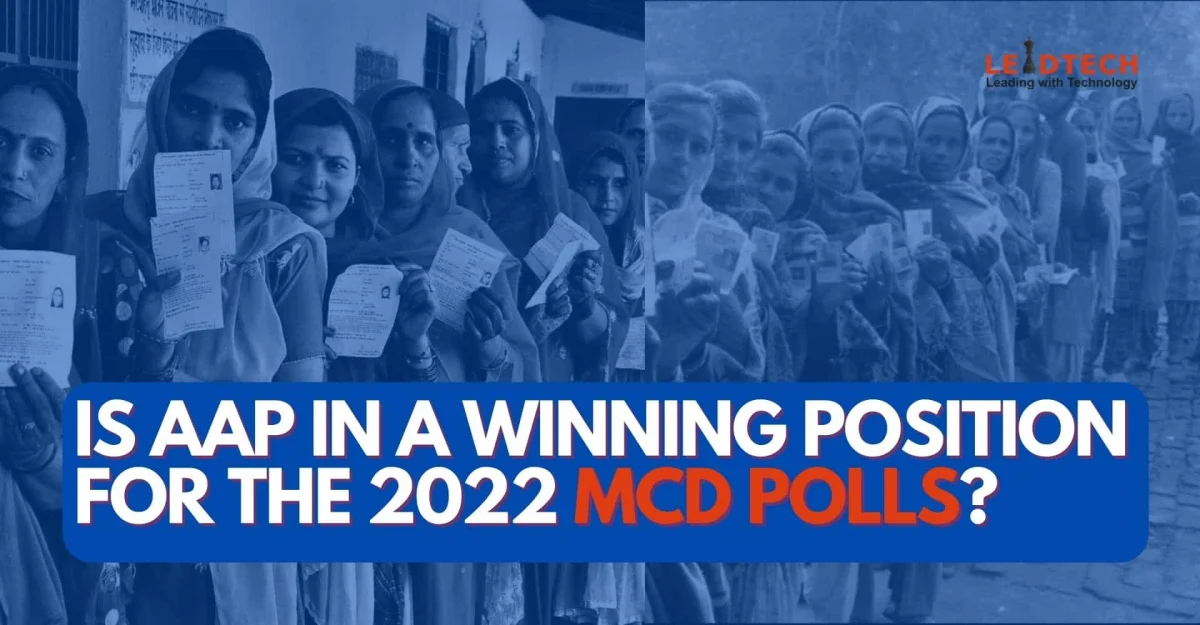
Is AAP in a Winning Position for the 2022 MCD polls?

AAP IN A WINNING POSITION

BJP, which has not had a single Chief Minister of Delhi since the early 90s, has had several mayors administering Delhi. For the past 15 years, they have held power at the Municipal level and consistently grown in seat share. Their vote share continued to remain stagnant at about 36%, yet in 2017, they had won 67% of the seats.

REASONS FOR WINNING M.C.D.

In 2007, when their (presently) main opposition AAP did not exist, BJP won marginally against INC. Congress’s share was diluted by other opposition parties, and BJP, a strong national opposition at the time, took advantage of this. However, in 2008, Sheila Dikshit managed to win another term despite losing control of the MCD.

In 2012, the downfall of INC in Delhi continued, fueled especially by the 2011 anti-corruption protests and the 2010 Commonwealth scam. BJP won a pure majority (138 seats out of 272) – but it must be noted that AAP had not contested this time.

To understand the results of the 2017 election, we must understand AAP’s growth trajectory. After the infamous 2013 AK49-term, Arvind Kejriwal won a thumping majority in the Delhi state assembly. INC was completely booted out while BJP had only 3 seats, giving birth to the “Entire Opposition in One Auto Rickshaw” joke. The reason AAP did so well in 2015 Delhi Assembly elections is because of Kejriwal’s appeasement manifesto, which only targeted the lower-middleclass of Delhi. In both 2017 MCD elections and 2019 Parliamentary elections, AAP suffered badly. BJP in fact gained 43 seats when AAP contested for the first time, and swept all 7 Lok Sabha seats. Despite these failures, AAP retained power in the Delhi Assembly in 2020.

The Aam Aadmi Party did eat away at Congress’s share, but they could not position themselves in a way that the majority considered them worthy of getting the mandate – something that BJP was able to do. One may understand why, at the national level, Delhiites chose BJP over AAP, but why at the administrative level too?

THE PRESENT CAMPAIGNS

It is safe to say that Congress has lost its ground in Delhi. There are only two main parties in Delhi, and they are both actively campaigning in Delhi. Even before the December 4 polling date was set by the courts, MCD elections had been a major part of the political discourse. The matter of trifurcation was even taken up in the Indian Parliament.

AAP, which desperately needs control of the MCD to fully deliver their promises to the public of Delhi, has been running a “Helpless” campaign since 2020. Their claims, although true, are strategically disseminated to the aggrieved public whenever they hold AAP accountable for shortcomings in their civic life. Be it TV debates or through their official and non-official social media handles, AAP has maintained that they have always been up to the mark in their work, but a lot of civic matters do not come under their jurisdiction, and since they don’t have control of the MCD, they can’t be held accountable. They want to help the people of Delhi, they claim, but they are “helpless” as long as BJP stays in power.

BJP’s campaign in response has been tepid at best, mainly because it is a reactionary campaign. When AAP puts the blame on BJP by quantifying the lack of delivery of promises, BJP does the same. There are a lot of sharp words exchanged but BJP has not provided a reason why they should stay in power.

WHO WILL WIN THIS TIME?

The blame game is a very common element in bipolar elections, but technically, the odds are more in favor of AAP this time.

From a voter’s perspective, if BJP is voted back into power, Delhi’s civic amenities will most likely continue to suffer. Kejriwal and the new mayor will continue to have scuffles and each party will try to bring the other down. Kejriwal will double down on acting helpless, while BJP will continue to attack him. In this case, the mayor might be positioned as the new CM face, and could replace Kejriwal in 2025, leading to the original outcome of the same party holding both the state assembly and municipality.

On the other hand, if AAP wins, they will gleefully stop blaming the BJP, but will have immense pressure on their head to prove that they are capable of undoing BJP’s “bad work” and doing the “good work” they promised. If they fail to do so, there is a possibility that BJP might take over the assembly from them in 2025.

Hence, from a rational viewpoint, AAP is more likely to win. But elections involve real voters, most of whom are not original thinkers. What matters is what they are made to believe, not what they actually believe. There are still other factors to consider.

OTHER FACTORS TO CONSIDER

BJP’s support base, as seen in the past 15 years, is consistent – their base supporters are loyal. Be it Lok Sabha or Vidhan Sabha or MCD, they have the support of at least 36% voters. AAP does not have loyal voters – it has situationally-loyal voters. Considering this factor, BJP is more likely to win. But AAP has not contested MCD elections often enough (just once) for anyone to determine their voter loyalty.

Therefore, it is possible for the election results to swing either way, depending upon the steps taken by either party.

The first step in winning any election is understanding the voter sentiment, which is done by conducting surveys either internally or by hiring a reliable external agency, like LEADTECH. However, for this election, which is less than a month away, many might want to skip this step and jump straight to campaigning – especially important in weaker wards. This is another service in which LEADTECH holds a lot of expertise due to years of experience.

While both parties are aggressively strategizing and aiming to win the most seats, some wards are weak and need special attention. Nominees from these wards should hire external help in addition to their party’s assistance, if they want to guarantee a win. For that, LEADTECH would be able to provide several services, including door to door campaign, social media, war room, public relations, and many more.

GET IN TOUCH

    Get in Touch


    By clicking Submit, I hereby authorize Leadtech and its affiliates to call, email, send a text through the Short messaging Service (SMS) and/or Whatsapp. The consent herein shall override any registration for DNC/NDNC.

    Categories
    Assembly Election Election News

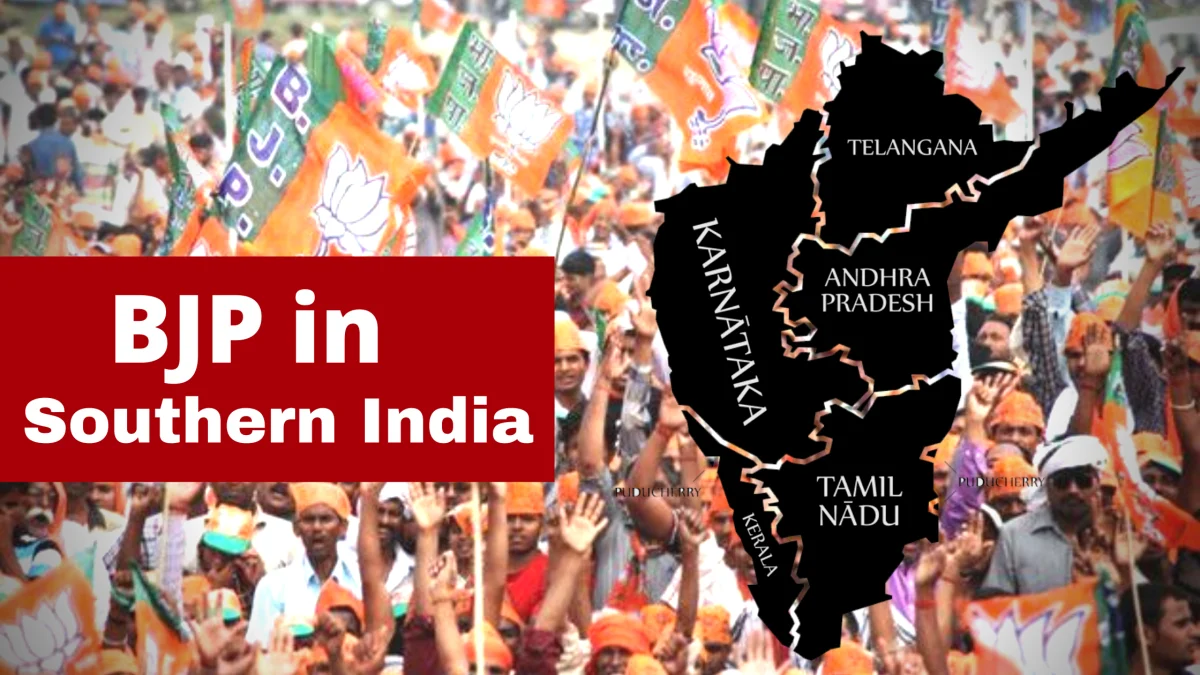
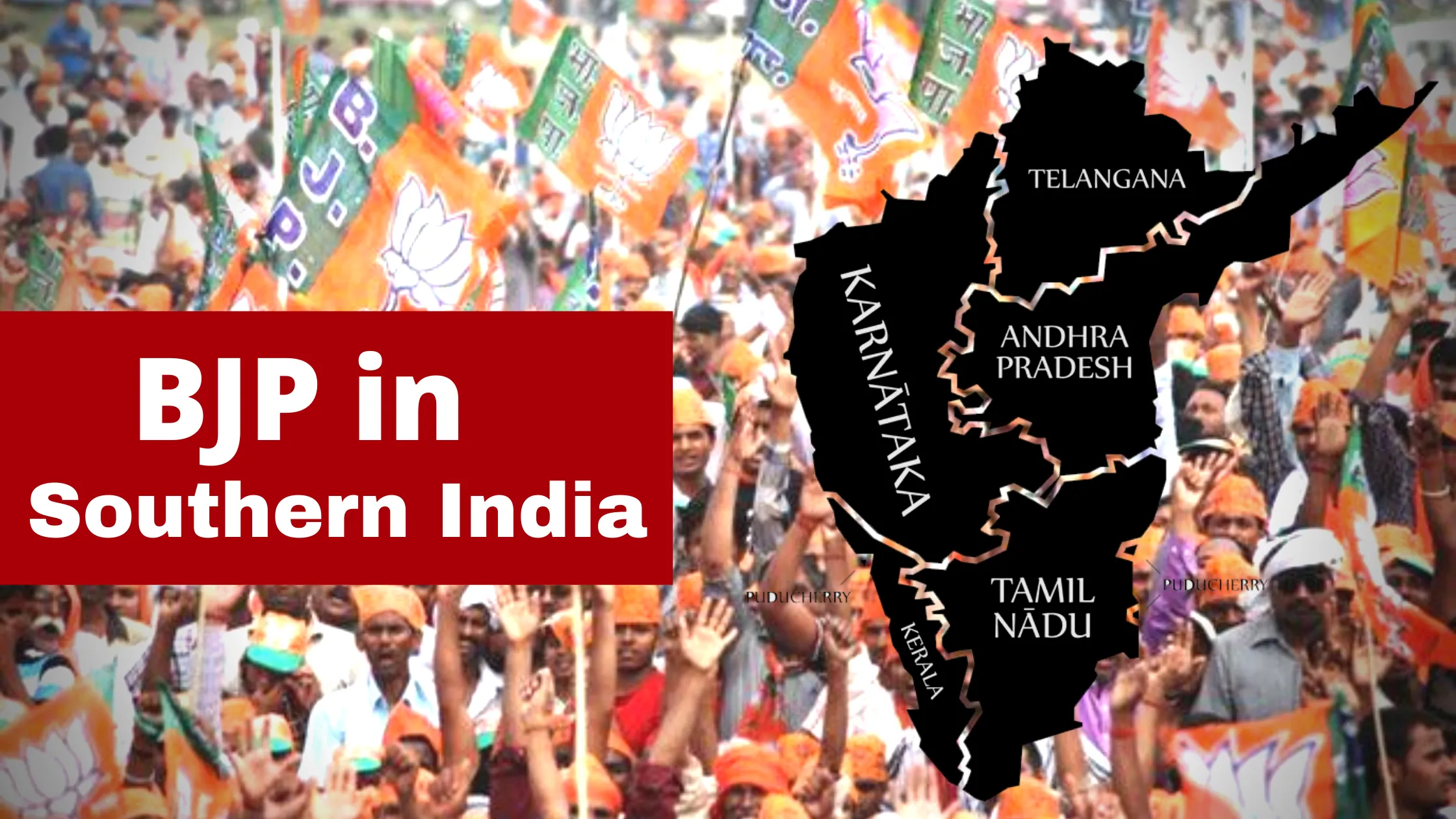
    BJP in Southern India

    BJP in Southern IndiaThe 2008 Karnataka Legislative Assembly Election served as Bhartiya Janata Party’s gateway to southern India where, for the first time, the party formed government despite not winning a clear majority.  Since then, the party has effectively consolidated a dedicated voter base in most of the adjoining states with the exception of Kerala where the Left Democratic Front and the Congress party have managed retained power.
    One of the prime reasons behind the saffron surge down south is the dwindling hold of regional parties over traditionally held constituencies. Parties like AIADMK, Telangana Rashtra Samithi, Telugu Desam Party, Yuvajana Sramika Rythu Congress Party, and Janata Dal (Secular), which have long enjoyed cultural support in certain states owing to family fiefdoms, have been unable to sustain themselves over the years. This coupled with a unified awakening of Hindu consciousness in the southern region has sidelined party dynasties that have ruled Karnataka, Kerala, Tamil Nadu, and Andhra Pradesh for decades. Additionally, with a politically disintegrating Congress party, voters now look over to the BJP for economic growth and stability. The Bhartiya Janata Party has also, through the course of several election cycles, formed strategic alliances to come to power. An example of the same being the JDS-BJP alliance in the state of Karnataka.

    Tracing the BJP’s trajectory in Kerala, the party has managed to establish a presence over the years. The Bhartiya Janata Party has substantially increased its vote share from 6.03% in the 2011 Legislative Assembly to 14.96% in the 2016 State Election. Keeping in line with its progress, the party won 15% of the votes in Kerala’s 2020 Civic Body Election. While it has not been able to form government in Kerala so far, the BJP is projected to win a substantial vote share in the upcoming election. Similarly, the party has been unable to win a single seat in the Union Territory of Puducherry, since its vote share has only gone up to 2.4%. The nominations of three MLAs from the Bhartiya Janata Party by the Centre in 2018 to the assembly sparked controversy which was quickly dispersed by the Madras High Court by upholding the Centre’s action. The party is expected to form a coalition with AIADMK in the upcoming election.

    With the exception of Kerala and Puducherry, the BJP has practically taken over the southern states, projecting a unified front against politically endorsed regionalism which has served local parties for decades. The party’s stellar performance in the newly formed state of Telangana at the assembly and municipal level is a testament to their growing influence in South. Although the BJP’s seat share in Andhra Pradesh has dropped from 4 to none, the party has been able to establish a vote bank in the state given their strategic alliances with the existing regional parties. Similarly, in Tamil Nadu, the party has been observing a steady rise in popularity given their promises of fast paced economic development. While the Bhartiya Janata Party has not been able to solidify power in the southern states, it is in the process of doing so as a part of its expansionist agenda. The party attempts to unite a fragmented South under the banner of Hinduism and economic development.

    Categories
    Assembly Election Political research

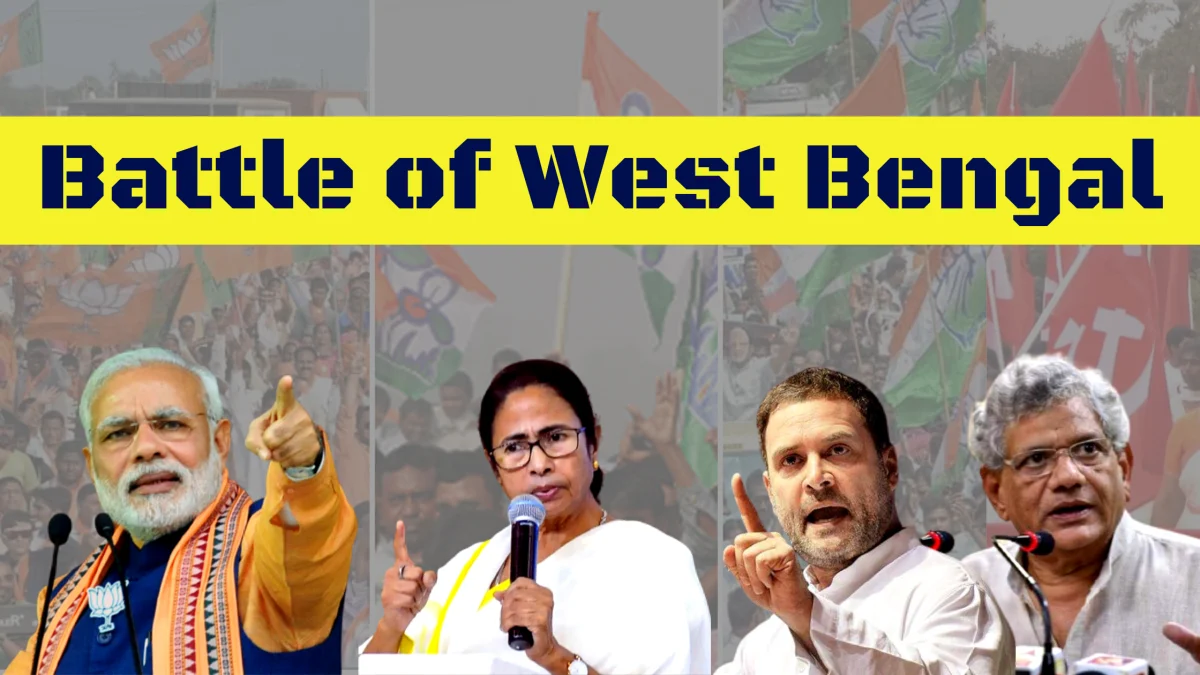
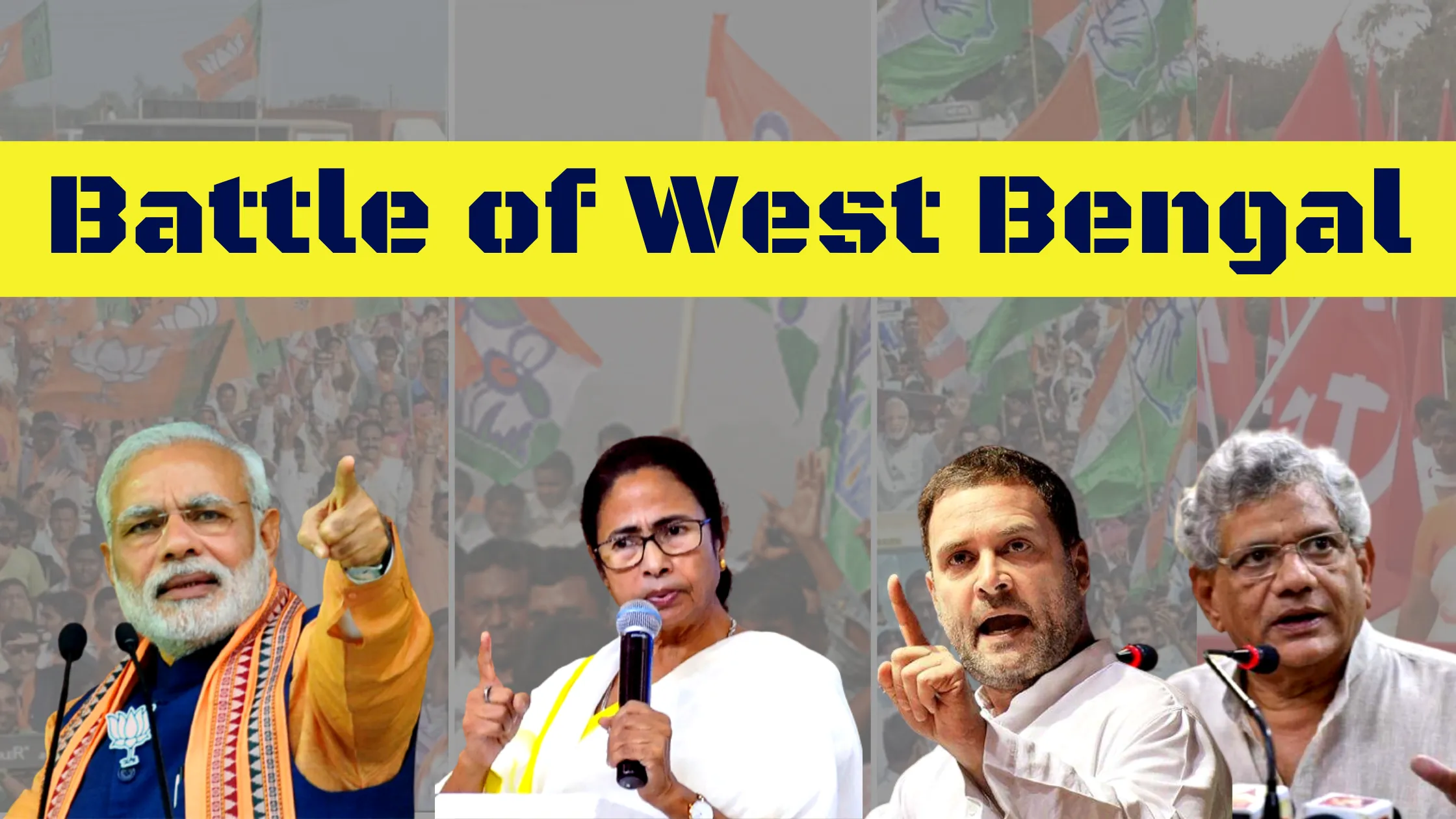
    Battle of West Bengal

    West Bengal Election 2021

    In an attempt to stir the political conscience of West Bengal, the All-India Trinamool Congress used the anti-industrial sentiments of the population as a campaigning tool in 2011. A decade later, the party’s aversion to fast-paced industrialization has landed it in murky waters. With the advent of formidable opposition, the 2021 West Bengal Legislative Assembly Election has proven to be diverse in terms of participation and campaigning issues, ahead of polling.

    The major parties contesting election in 2021 include the All-India Trinamool Congress (Federal Front), the Indian National Congress along with Communist Party of India – Marxist (Mahajot) and the Bharatiya Janata Party. The Trinamool Congress has retained its approach of rolling out mass distributive and other policies right before election season. With policies like Swyastha Sathi, a healthcare initiative, and Duare Sarkarand, the party hopes to retain its voter base. Party leadership has also made use of the ‘othering’ approach to draw distinction between the BJP, a predominantly Hindu party, and homegrown TMC. The party has also sparing used the Citizenship Amendment Act to attack the BJP.

    BJP alleges that the Trinamool Congress lacks vision for the state. The party promises more rapid industrialization and economic development in the state if voted to power. Additionally, the Bharatiya Janata Party has also employed use of phrases such as “Ebar Bangla, parle shamla” (Save Bengal this time) hinting at Mamata Banerjee’s strategy of minority appeasement and lack of good economic governance. The opposition, including the INC and CPI (M) along with the BJP have severely criticized Banerjee’s use of political violence to retain voter support.

    In 2016 Legislative Assembly Election the primary campaigning issues used by the opposition were the Narada and Saradha scandals, lack of industrialization, and flaming of political violence by TMC. However, the party responded by introducing mass distributive schemes of grains and pulses for the poor and by restoring infrastructure across the state. Millions of minority students were handed out scholarships and the Muslim community was registered under the OBC category.

    While political strategies change with every election cycle, their nature remains stagnant. Parties pick on each other’s shortcomings to secure their own vote bank. However, instances of violence close to elections have become more predominant in West Bengal with no solution in sight.

    Categories
    Assembly Election Election Political research Social Media Management

    Digital Media Strategies in Political Campaign

    Digital Media Strategies in Political Campaign
    Digital Media Strategies in Political Campaign

    With the advent of digital media, the nature of political campaigning has changed over the years. Digital campaigning, at a national level, was first introduced by the Bharatiya Janata Party in the 2009 Lok Sabha Election. The 2014 Lok Sabha Election was a testament to the same where the BJP, with its dedicated social media campaigning, took the country by storm. Since then parties across the country have been drifting away from more traditional structures of reaching out to their audience and have started embracing digital campaigning.

    Interactive Voice Response (IVR) has emerged as an effective tool to gather public opinion towards candidates. IVRs engage with voters through automated outbound calls and voters register their opinions by merely pressing a button on their phone. Additionally, bulk messages or blast messages also help candidates reach out to a wide audience and keep in touch with them. It is a one-way communicative channel that makes one-to-one communication easier. Furthermore, with a huge chunk of the population making use of WhatsApp, it also has come up as a platform for engagement by candidates through forwarded messages.

    The most crucial element to digital campaigning is collating a specialized media team. The team creates content and engages with people for the candidate. Fundamentally, social media campaigns, across platforms, should appeal to a wide demographic. However, since most candidates have a target audience based on the nature of their policies, specialized ads for a targeted audience on certain social media platforms should also be a priority. Another important aspect of digital campaigning is personal engagement. This personal engagement, through live videos or tweets, should ideally be of positive nature with personal anecdotes.

    It is also important for the campaign team to be consistent with their posting, whether it is on social media or a website made for the campaign. The goal of leaving an impact on people can be achieved by churning more graphic content with images, slogans, party/candidate symbols, colors, etc. in lieu of written content.

    Hence, digital campaigning can help candidates reach out to a wider audience if used strategically. It is an attractive campaigning field since a lot of everyday discourse happens on the internet. Candidates can expand their voter base with the help of impactful targeted ad campaigns and change the course of the election.